
The gap between "clean" and "market-ready"
Most homeowners preparing to sell their home focus on the obvious: clean the house, mow the lawn, maybe slap on a fresh coat of paint. And those things matter. But the difference between a home that sits on the market and a home that generates multiple offers in the first weekend often comes down to the preparation steps that homeowners skip—not because they are lazy, but because they simply do not know about them.
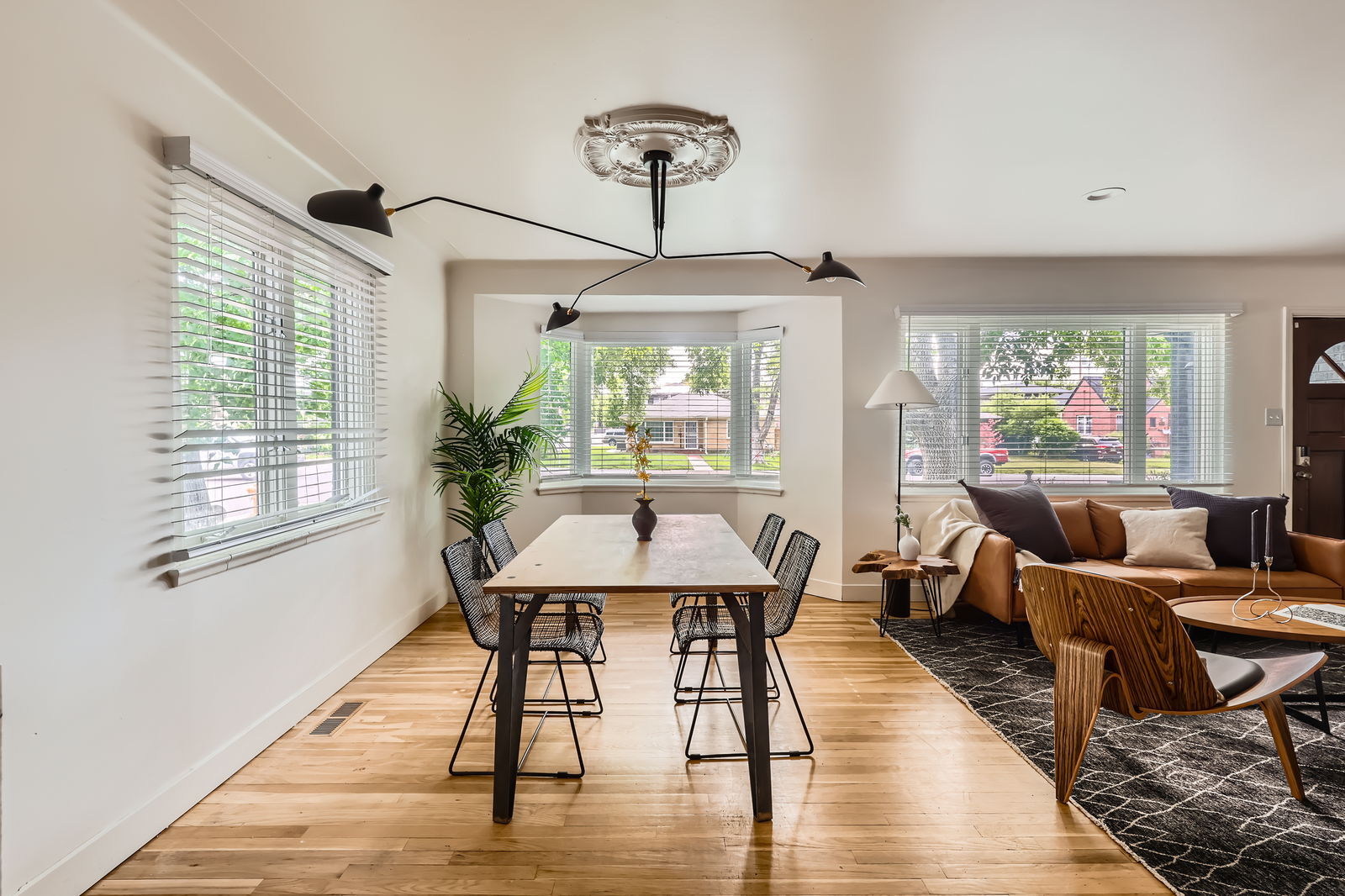
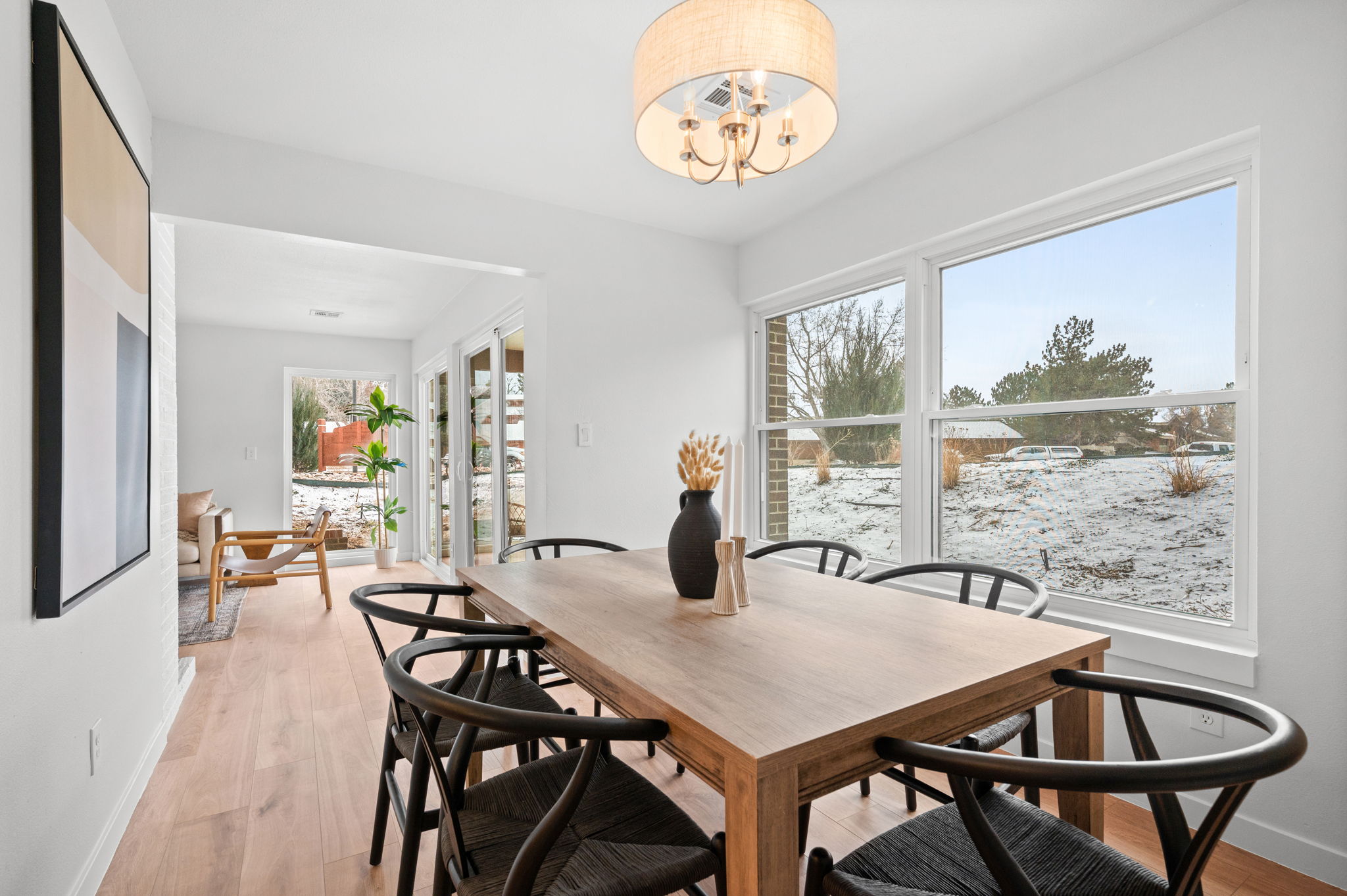
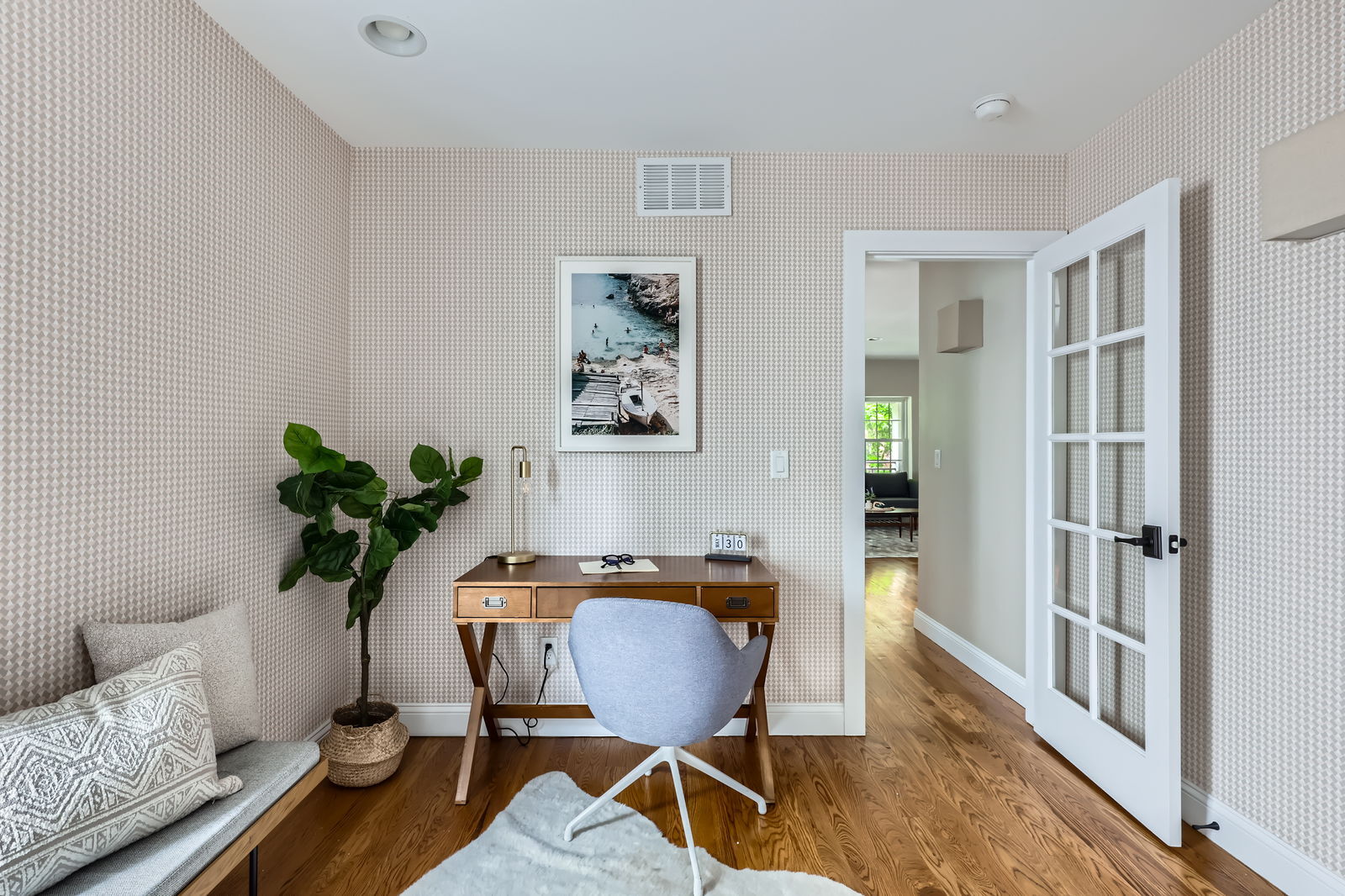
A clean home is not the same as a market-ready home. Buyers are not comparing your home to how it looked yesterday. They are comparing it to every other listing they saw this morning.
The prep work most homeowners skip
1. Depersonalizing the space
This is, without question, the most skipped step. Homeowners struggle to remove family photos, children's artwork, and collections they have curated for years. It feels like erasing their identity. But depersonalization is not about erasing—it is about making space for the buyer's imagination.
When a buyer walks through a home filled with someone else's life, they see someone else's home. When they walk through a neutral, depersonalized space, they see their future home. Remove:
- Family photos and personal memorabilia
- Refrigerator magnets, children's artwork, and personalized decor
- Religious or political items
- Hobby-specific equipment or collections (unless the room is staged around it thoughtfully)
- Monogrammed towels, custom nameplates, and family name signs
2. Addressing deferred maintenance
Every home accumulates a list of small repairs that the owner stops seeing. A leaky faucet, a cracked tile, a door that does not latch, a light switch that controls nothing—these micro-issues compound in a buyer's mind. Each one whispers: what else has been neglected?
Walk through your home with fresh eyes. Better yet, ask a friend or your agent to walk through and point out everything that looks incomplete, worn, or broken. Fix the easy things: tighten handles, replace burned-out bulbs, caulk gaps, touch up paint nicks, and repair grout. If you need guidance on where to focus your repair budget, our expert design advice service provides a prioritized list tailored to your home.
3. Editing furniture and belongings
Most homes have too much furniture for selling purposes. A room that feels cozy when you live in it often feels cramped in photos and during showings. The goal is to show the space, not the stuff.
Consider removing:
- Oversized furniture that blocks traffic flow or sightlines
- Extra dining chairs (keep four at a six-seat table, for example)
- Bulky entertainment centers and bookshelves filled with personal items
- Excess throw pillows, blankets, and decorative items
- Furniture from rooms that should showcase a different use (the treadmill in the spare bedroom should go)
If your home is occupied and you need help deciding what stays and what goes, our in-person styling service sends a designer to your home to curate the space using your existing furnishings.
4. Deep cleaning beyond the surface
Surface cleaning is expected. Deep cleaning is what separates your home from the competition. Buyers notice details you have stopped seeing:
- Windows inside and out—clean glass transforms a room by letting in maximum light
- Baseboards, crown molding, and door frames—dust and scuff marks accumulate over years
- Grout lines in bathrooms and kitchens—dingy grout reads as "old" even in newer homes
- Light fixtures and ceiling fans—dust on fan blades and fixture glass is visible in photos
- Inside cabinets and closets—buyers open everything, and organized storage signals that the home has ample space
5. Neutralizing odors
This is the prep step homeowners skip most often because they literally cannot smell it. You are nose-blind to your own home. Pet odors, cooking smells, cigarette residue, and even strong air fresheners can turn off buyers immediately.
The solution is not to mask odors with candles or plug-ins. The solution is to eliminate them:
- Have carpets professionally cleaned (or replace them if heavily worn)
- Clean all soft surfaces: upholstered furniture, drapes, and bedding
- Run the HVAC system with a fresh filter for several days before showings
- Open windows for ventilation whenever weather permits
- Address any mold or mildew in bathrooms, basements, or laundry areas
6. Staging the home—or at least styling it
Many homeowners believe staging is only for vacant homes. In reality, occupied-home staging and styling is one of the most impactful investments you can make. Full-service staging works for both vacant and occupied properties, and for homeowners on a budget, in-person styling uses your existing furniture with professional design direction.
If you are not sure which option is right, get a free Smart Quote. Answer a few questions about your home and receive an instant recommendation tailored to your property, market, and goals.
Staging is not decorating. Decorating is about personal taste. Staging is about strategic presentation to a target buyer.
7. Curb appeal beyond the basics
- Power wash the driveway, walkways, and exterior walls
- Paint or stain the front door
- Replace a worn doormat and add a simple potted plant
- Ensure house numbers are visible, clean, and modern
- Remove dead plants, trim overgrown shrubs, and edge the lawn
The cost of skipping prep work
Homeowners often skip these steps to save money or time. But the math rarely works in their favor. A home that sits on the market due to poor preparation accumulates carrying costs—mortgage payments, insurance, utilities, taxes—that quickly exceed the cost of proper preparation. Worse, extended market time often leads to a price reduction that costs far more than the prep ever would have.
Look at how proper preparation impacted the sale of 500 Manhattan in Boulder. The staging and prep investment was a fraction of the additional value the home achieved at sale.
A simple prep timeline
If you are planning to list in the next four to six weeks, here is a practical timeline:
- 6 weeks out: Get a Smart Quote and schedule design advice or styling. Address major repairs.
- 4 weeks out: Begin depersonalizing and editing furniture. Schedule deep cleaning.
- 2 weeks out: Complete all repairs and touch-ups. Stage or style the home.
- 1 week out: Deep clean. Handle curb appeal. Photograph the home.
- Listing day: Final walkthrough. Fresh flowers. All lights on.
Selling your own home is one of the most significant financial transactions you will ever make. The prep work you do—or skip—directly affects the outcome. Do not leave money on the table by overlooking the steps that matter most.
Need a starting point? Get your free Smart Quote and find out exactly what your home needs to be market-ready.