
The phone in your pocket is better than you think
Modern iPhones and flagship Android devices produce remarkable images. Computational photography—the layering of multiple exposures, AI-driven noise reduction, and automatic HDR—has closed the gap between phone cameras and dedicated equipment in many situations. For real estate agents in Denver, Boulder, San Diego, and beyond, the question is no longer whether a phone can take a good photo. The question is whether it can take the right photo for your listing.
The answer depends on the property, the price point, the market conditions, and your client's expectations. This guide breaks down exactly when to invest in a professional photographer and when your iPhone is more than enough.
The best camera is the one you have with you—but only if you know how to use it for real estate.
When professional photography is non-negotiable
There are situations where anything less than professional photography puts the listing at a disadvantage. If any of the following apply, invest in a pro:
High-value properties
Homes that have been professionally staged
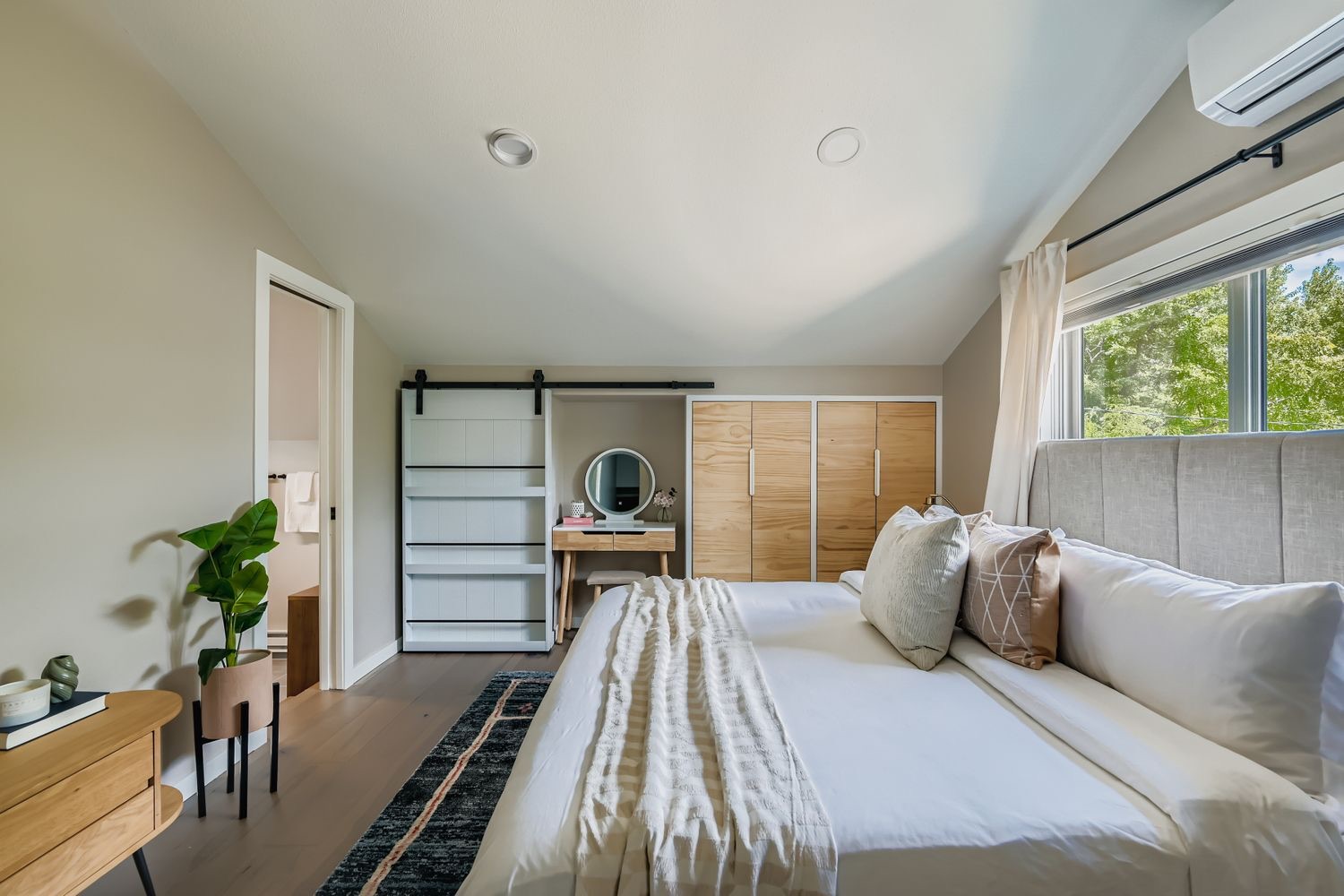
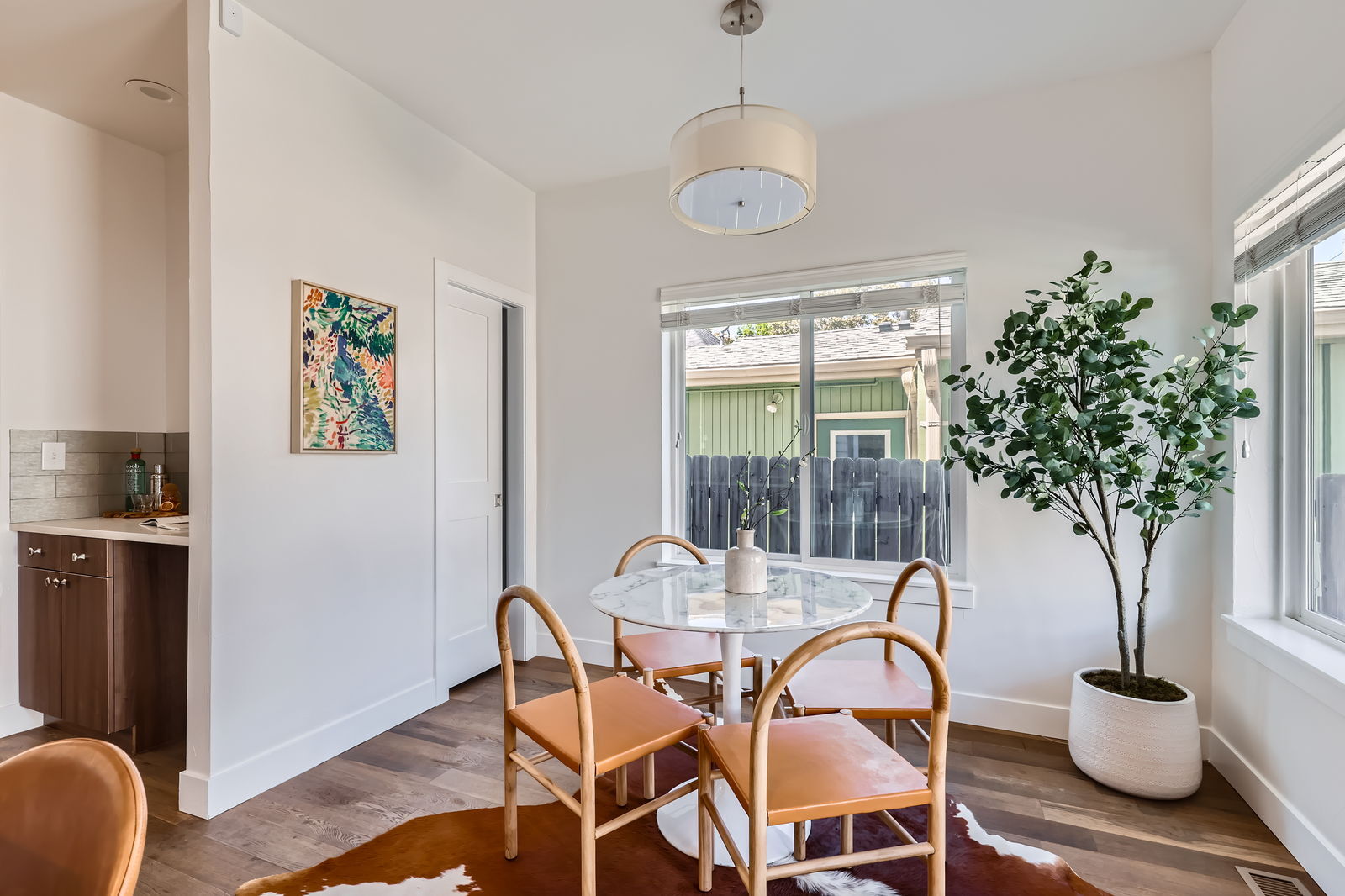
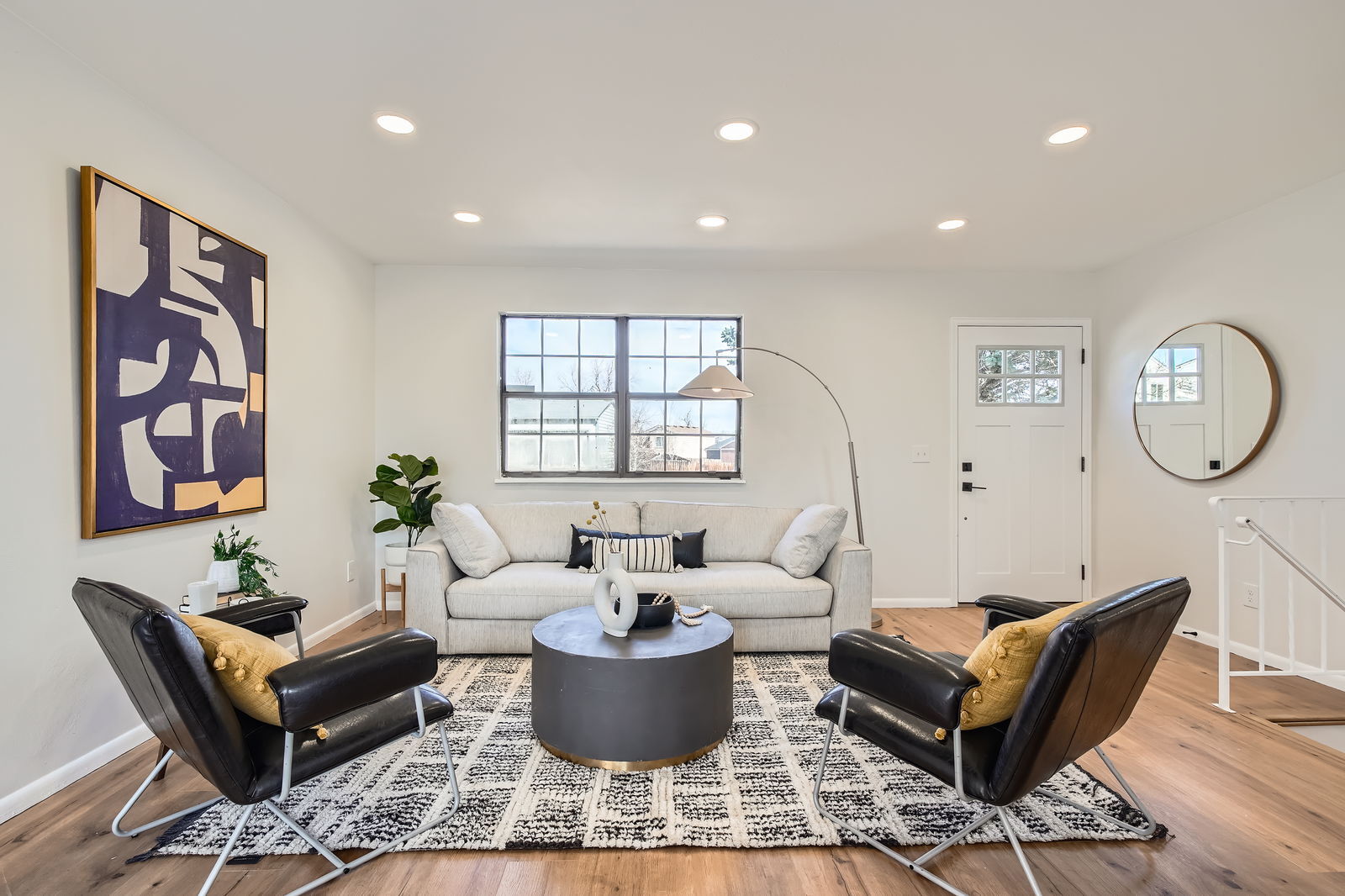
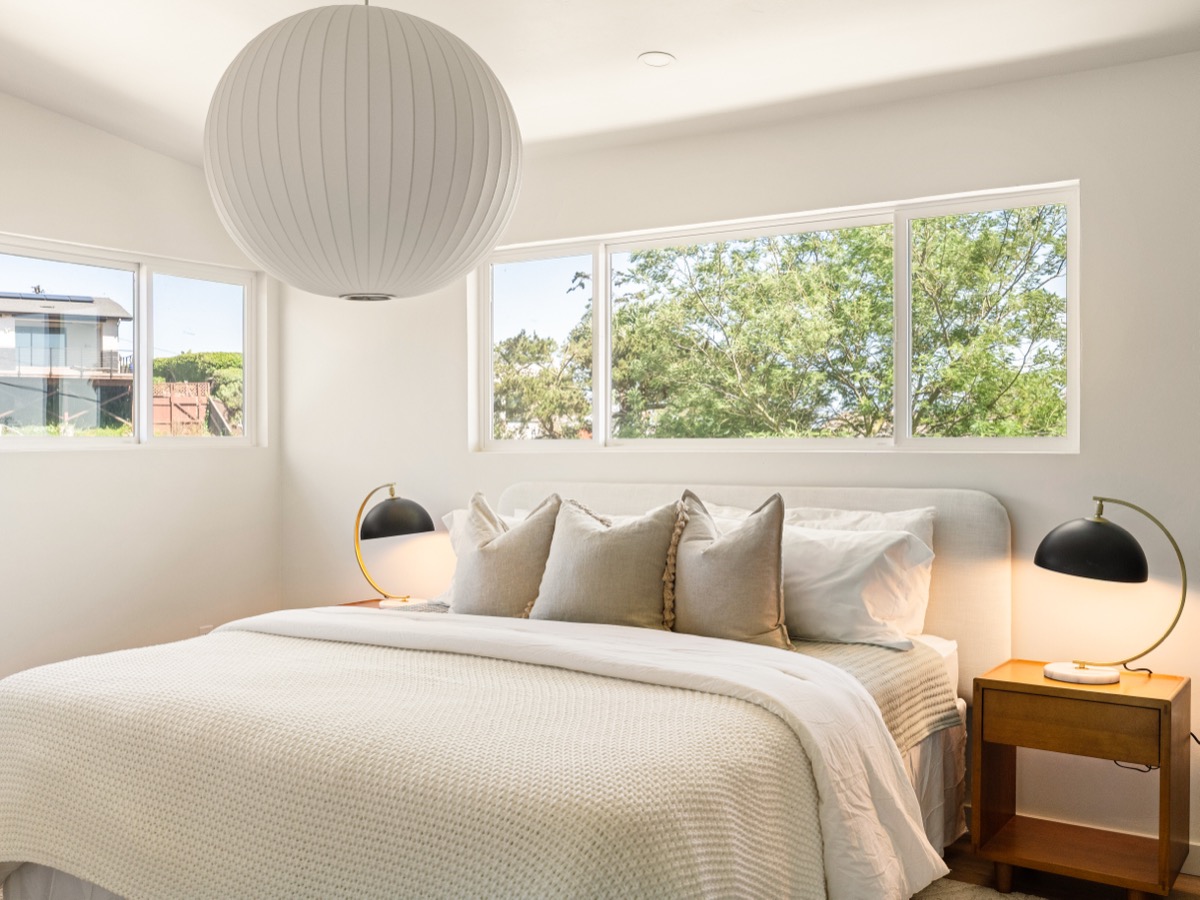
If you have invested in full-service staging, it would be counterproductive to photograph the result on a phone. Professional staging is designed to be captured by professional equipment—wide-angle lenses, controlled lighting, and expert composition that highlights the staging investment. Consider the 3640 Lipan project, where professional staging paired with professional photography produced results neither could have achieved alone.
Challenging lighting conditions
Homes with small windows, north-facing exposure, or dark finishes require supplemental lighting and manual exposure control. While phones handle mixed lighting better than ever, a professional photographer with flash equipment and the ability to bracket exposures will produce dramatically better results in difficult environments.
Properties that need every advantage
If the home is in a competitive submarket, or if the seller is under time pressure, professional photography reduces risk. Days on market cost money. You can quantify the cost of a photographer; you cannot easily quantify the cost of a lost buyer who scrolled past a mediocre photo.
When DIY iPhone photos are perfectly fine
Not every listing requires a $500 photo shoot. Here are the scenarios where phone photography is a smart, practical choice:
Coming-soon or pre-market teasers
If you need quick images for social media, a pocket listing, or a "coming soon" campaign, phone photos are fast and effective. They signal authenticity and immediacy—qualities that can generate excitement before the official launch.
Rental properties and lower price points
For rental listings or properties at the lower end of the market, the return on professional photography is harder to justify. A well-composed iPhone photo in good natural light will serve these listings well.
Agent social media content
Behind-the-scenes staging reveals, walkthrough stories, and market update posts all perform better with phone-shot content. Social algorithms favor native-feeling content. A polished, professional image can actually underperform a genuine-looking phone photo on Instagram or TikTok.
Follow-up or supplemental images
After the professional shoot, you may need additional images—a new season's landscaping, a recently completed repair, or a neighborhood amenity shot. These supplemental photos do not need professional treatment.
iPhone photography tips for real estate
If you are going the DIY route, these techniques will significantly improve your results:
Lighting is everything
- Shoot during the day. Open all blinds and curtains. Turn on every light in the home, including lamps and under-cabinet lighting.
- Face the light. Position yourself so the main light source is in front of you or to the side, not behind you.
- Avoid direct sunlight through windows. Bright patches and deep shadows in the same frame overwhelm phone sensors. Overcast days or shaded sides of the home work best.
Composition rules
- Use the ultra-wide lens (0.5x on most iPhones) for room shots. This approximates the 16mm focal length professionals use.
- Hold the phone at chest height, not eye level. This produces a more balanced perspective that shows both floor and ceiling.
- Shoot from doorways or corners to capture maximum depth. Never shoot into a wall.
- Keep the phone level. Vertical lines (door frames, walls) should be straight. Use the grid overlay and the built-in level.
Preparation before shooting
The image quality gap between phone and professional shrinks dramatically when the space is properly prepared. Our in-person styling team regularly preps homes for phone photography, and the results rival professional shoots in many cases. At minimum:
- Remove all personal items, clutter, and unnecessary furniture
- Clean every visible surface—countertops, floors, mirrors, glass
- Style vignettes: a cookbook and cutting board on the kitchen counter, a throw blanket on the sofa, a plant in the corner
- Close all toilet lids, straighten all towels, and make all beds
If you need help deciding what your home needs before photos, expert design advice from Guest House can provide a personalized plan.
An iPhone in a beautifully staged room will outperform a professional camera in a cluttered, poorly lit space every single time.
Editing: the hidden difference
Professional photographers do not just take better pictures—they edit them. Color correction, lens distortion removal, exposure balancing, and vertical-line straightening are standard in professional real estate editing. If you shoot on a phone, you can close part of this gap with apps like Lightroom Mobile, Snapseed, or VSCO. Key adjustments:
- White balance: Correct for any warm or cool color cast so whites look white
- Exposure: Brighten shadows without blowing highlights
- Perspective correction: Straighten any converging vertical lines
- Crop: Remove distracting edges—visible cords, partial furniture, your own reflection
The hybrid approach
This approach maximizes the professional investment (the images that matter most get the best treatment) while keeping the agent agile and responsive for everything else.
Making the decision
Here is a simple framework:
- If the listing is above median price in your market → hire a professional
- If the home has been professionally staged → hire a professional
- If the lighting is challenging → hire a professional
- If you are creating social content or pre-market teasers → use your phone
- If the listing is at or below median price and well-lit → phone is fine with proper technique
Regardless of which approach you choose, the space itself matters more than the camera. Start with a free Smart Quote to find out what staging or styling your listing needs before the photos happen. A well-prepared home photographs beautifully whether you are using a DSLR or the phone in your pocket.
For more on making the most of your listing's first impression, read our guide to what MLS data says about lead images.