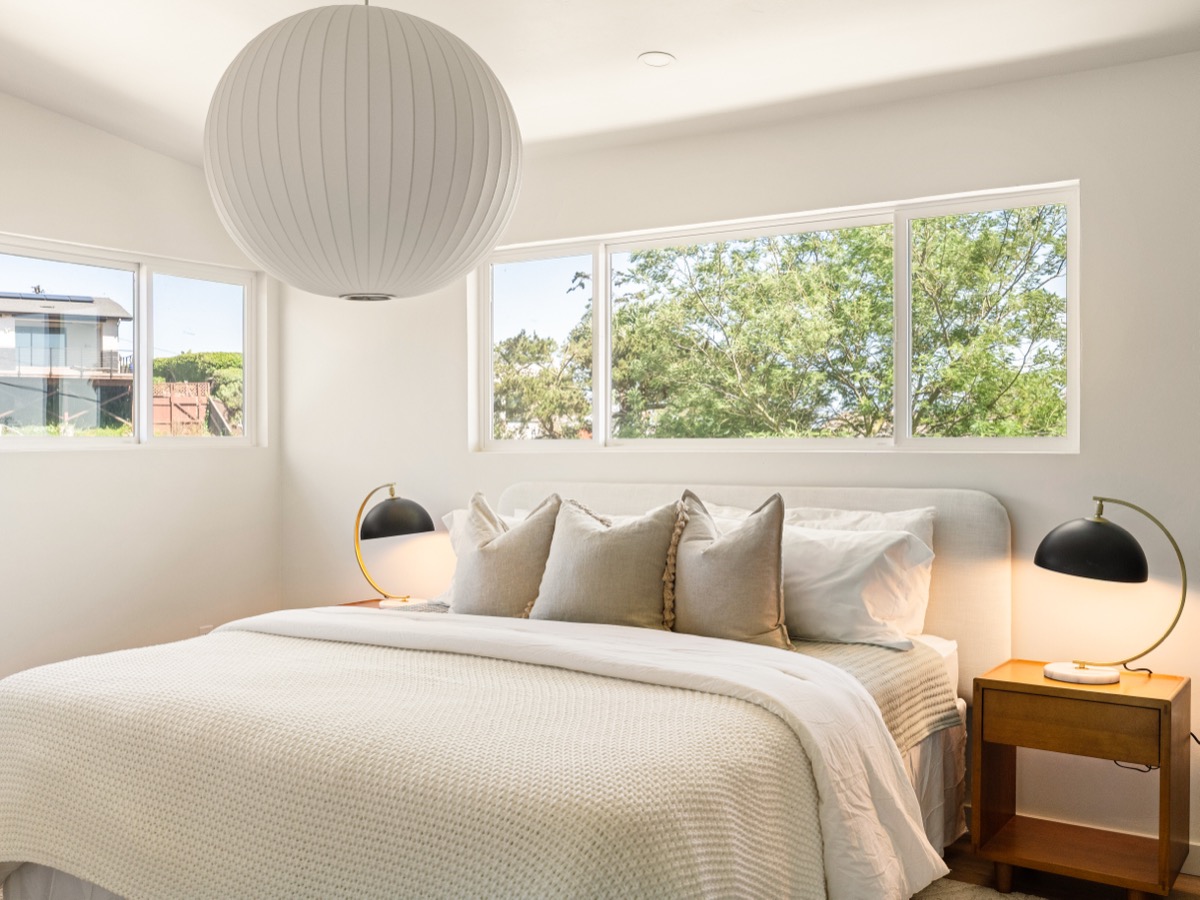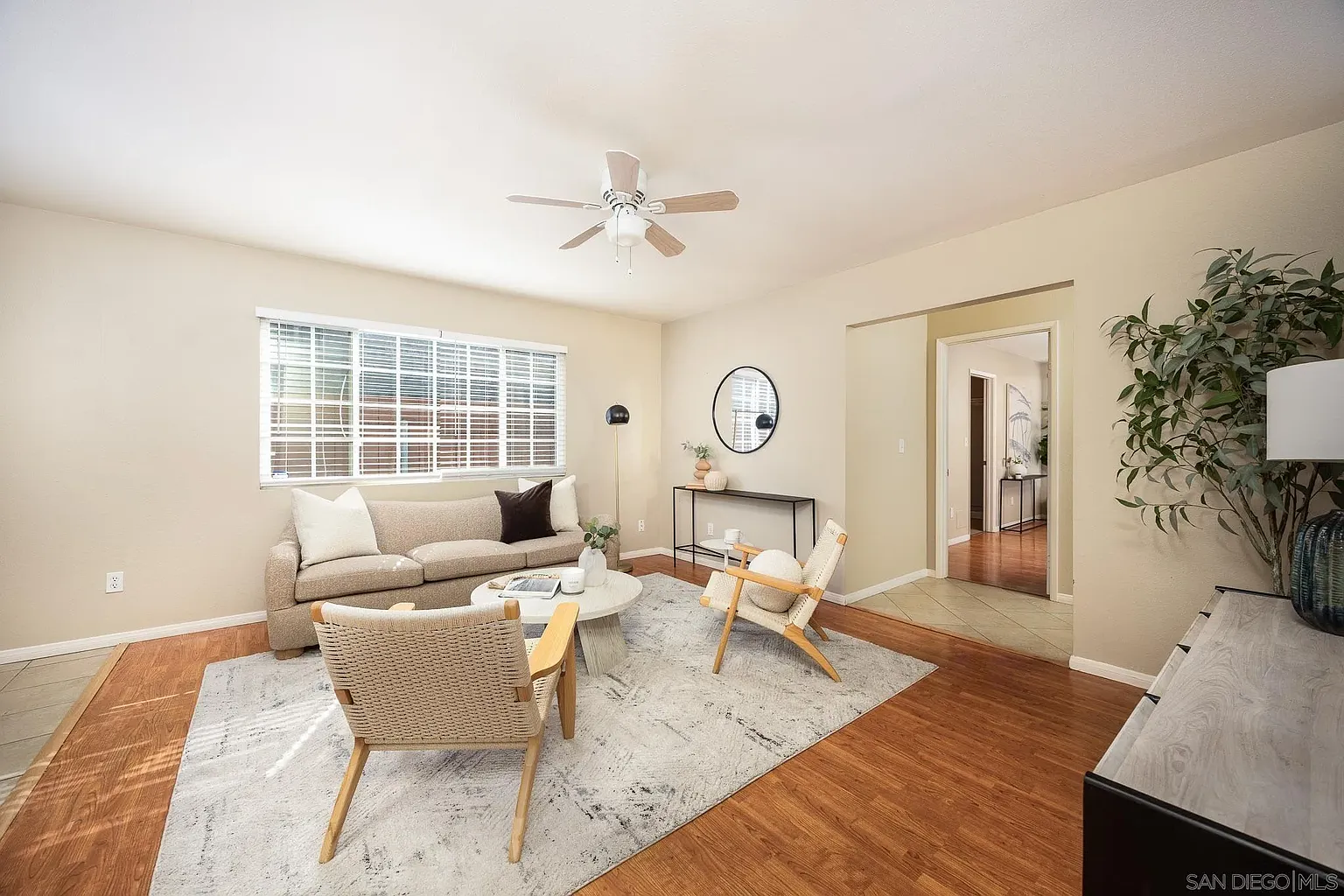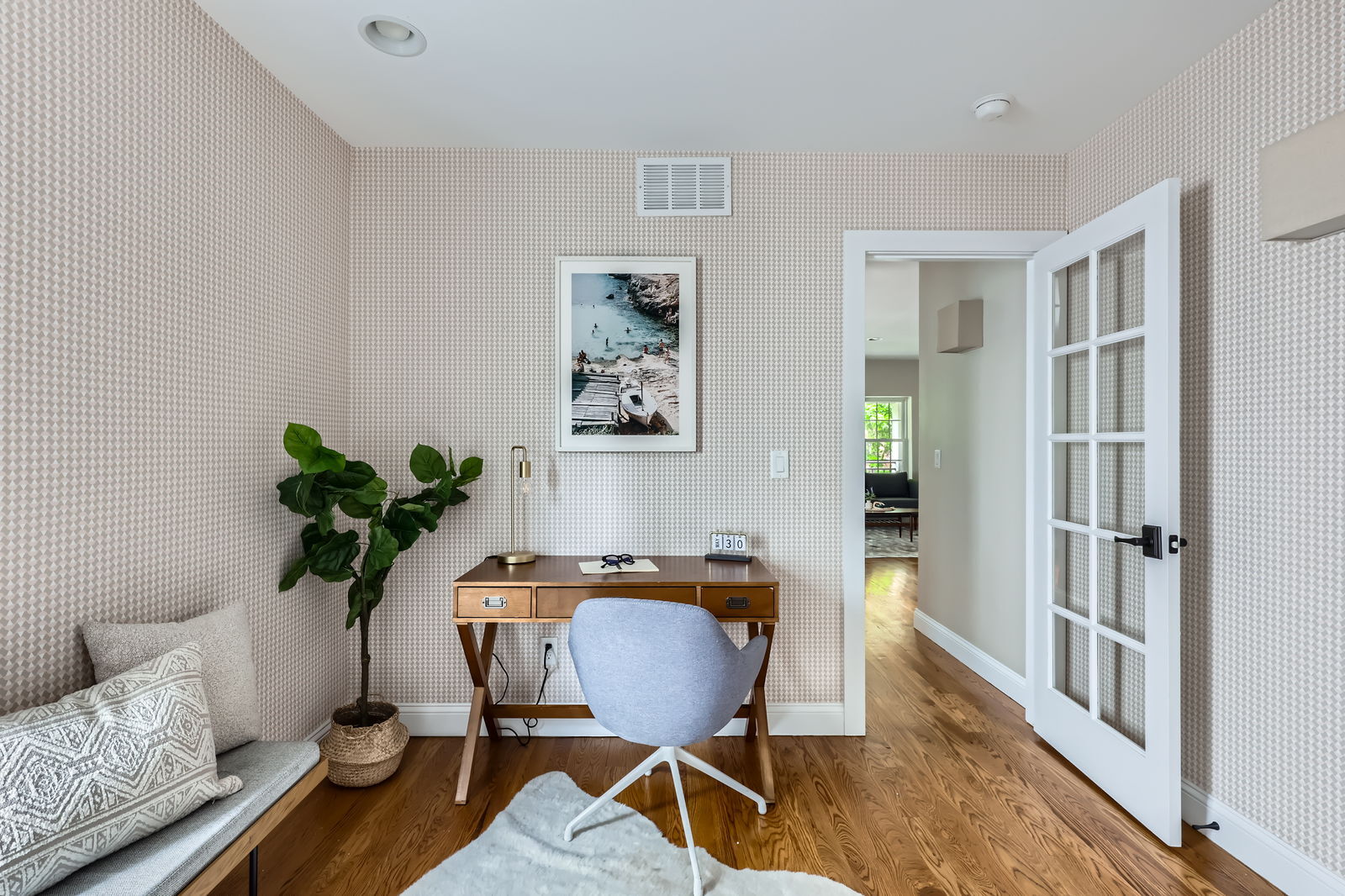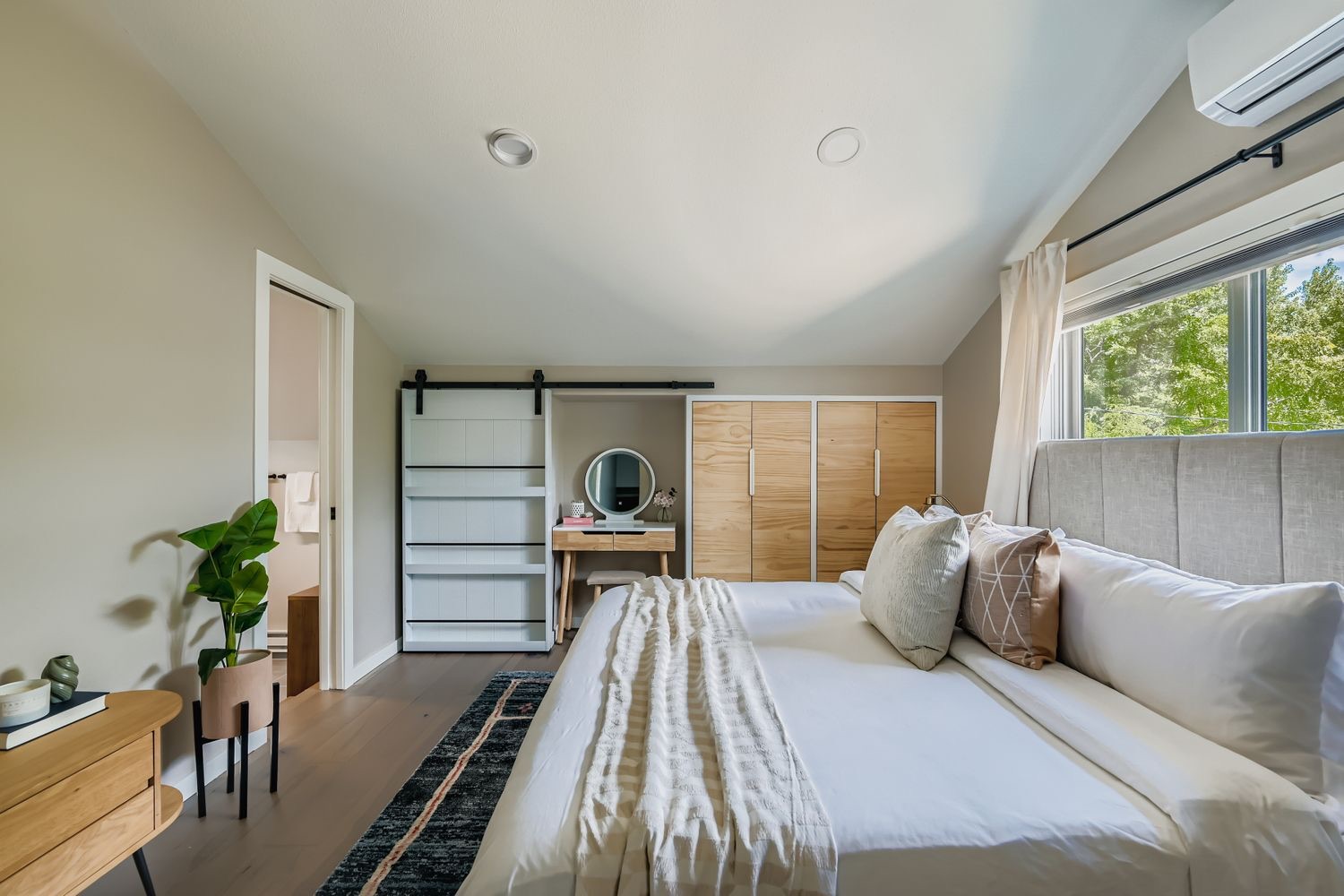

Your lead photo is the front door of your listing
Every listing has exactly one chance to stop a buyer mid-scroll. That chance is the lead photo—the very first image that appears on the MLS, on Zillow, on Redfin, and in every email alert that lands in a buyer's inbox. In competitive markets like Denver, Boulder, and San Diego, where new listings surface by the hour, the difference between a click and a scroll-past often comes down to a single image.
We analyzed listing performance data across our staging portfolio to understand what separates high-performing lead photos from forgettable ones. The conclusions are clear: lead image quality directly correlates with showing volume, days on market, and final sale price. If you are still uploading an exterior shot taken from the sidewalk at 4 p.m. on a cloudy Tuesday, this article is for you.
The lead photo is not just one of 25 images. It is the image that determines whether the other 24 ever get seen.
What the data actually shows
The first stat may seem high, but it aligns with everything we know about digital behavior. Buyers scrolling through dozens of listings on a Saturday morning are making split-second decisions. They are not reading square footage or HOA details before clicking—they are responding to a visual signal that says this home feels right.
Common lead photo mistakes agents make
Even experienced agents fall into patterns with their lead photos. Here are the missteps we see most often across our case studies:
1. Leading with the exterior
An exterior shot tells a buyer very little about how the home lives. Unless the home has extraordinary curb appeal—a waterfront lot, a striking modern facade, significant acreage—the exterior photo rarely triggers an emotional response. Interior shots, specifically living rooms and kitchens, consistently outperform exteriors as lead images.
2. Shooting before staging
We see this regularly: an agent photographs the home before full-service staging is complete, intending to reshoot later. Then the listing goes live with the "placeholder" images. The first 48 hours of market exposure are the most critical, and you never get them back.
3. Poor lighting and composition
Dark, narrow-angle shots make rooms feel small. Wide-angle images taken during golden hour or with professional lighting convey space, warmth, and livability. Natural light should flood the frame. If you need guidance on choosing the right approach, our expert design advice service can help you plan the photo shoot alongside the staging.
4. Cluttered or personal spaces
A lead image with family photos on the mantle, shoes by the door, or a refrigerator covered in magnets immediately tells the buyer they are looking at someone else's home. Depersonalization is one of the foundations of effective staging, and it matters most in the lead photo. If you are working with existing furniture, our in-person styling service can rearrange and refine what you have.
What makes a high-performing lead photo
After reviewing thousands of listings, we have identified the characteristics that consistently correlate with high engagement:
- The living room or great room is the most effective subject for a lead photo, followed closely by the kitchen
- Natural light should be the dominant light source, supplemented by interior lamps for warmth
- A wide-angle lens (16-24mm on full-frame) captures the full room without excessive distortion
- Depth and dimension are created by shooting through doorways, hallways, or across multiple zones
- Neutral, staged furnishings allow the buyer to project their own life into the space
- Editing should enhance, not fabricate—clean white balance, exposure correction, and lens correction are standard; sky replacements and heavy HDR are not
If you want to see these principles in action, look at the lead images for 836 Carlsbad and 500 Manhattan in Boulder. Both listings led with bright, staged interior shots that immediately communicated value.
Buyers do not click to learn more about a home. They click because the lead photo made them feel something.
The lead photo and staging: an inseparable pair
Professional staging exists, in large part, to produce a great lead photo. When a staging designer selects furniture, arranges accessories, and layers textiles, they are composing a scene that is meant to be photographed. The staging is the set. The photo is the performance.
This is why the staging conversation should include the photographer. At Guest House, we coordinate staging timelines with photo shoots so that the staging is fresh, the light is planned for, and the lead image is intentional—not accidental.
Timing the shoot for maximum impact
Should you reshoot if the lead photo is underperforming?
Yes. Absolutely. If your listing has been on the market for more than a week with low saves and minimal showing requests, the first thing to evaluate is the lead photo. Swap it. Update the MLS. Reshare on social. In many cases, a new lead image paired with a price-unchanged status generates a second wave of buyer attention.
Some agents hesitate to reshoot because of cost. But consider the math: a professional photographer charges a few hundred dollars. A listing that sits an extra two weeks costs the seller thousands in carrying costs and risks a price reduction that erases tens of thousands in equity. The reshoot is always worth it.
Putting it into practice
- Stage first. Never photograph an unstaged home if staging is in the plan. Use Guest House Smart Quotes to get an instant recommendation for your property.
- Choose the strongest interior room. Usually the living room or kitchen. Look for natural light, visual depth, and a clean sightline.
- Hire a professional photographer or, if DIY is the only option, read our guide on iPhone vs. professional photography.
- Shoot during optimal light. Coordinate with orientation and weather. Overcast days can work beautifully for interiors.
- Review the lead image with fresh eyes. Ask yourself: would I click on this listing?
The bottom line
The first photo is not just another marketing asset. It is the single most influential factor in whether a buyer engages with your listing. In a market where attention is measured in fractions of a second, the lead photo carries more weight than the property description, the price, or even the address.
Invest in it accordingly. Stage the home, hire the photographer, time the shoot, and choose the image with care. Your sellers—and your click-through rate—will thank you.
Ready to ensure your next listing leads with its best foot forward? Get a free Smart Quote to see what staging and photography support Guest House can provide for your property.