
The empty room problem
An empty house should be a blank canvas -- a space where any buyer can project their dream life. That is the theory, at least. In practice, vacant homes sit on the market an average of 20 to 30 percent longer than staged homes, and they sell for measurably less. The reason is not about furniture. It is about psychology.
Why our brains struggle with empty spaces
The scale perception problem
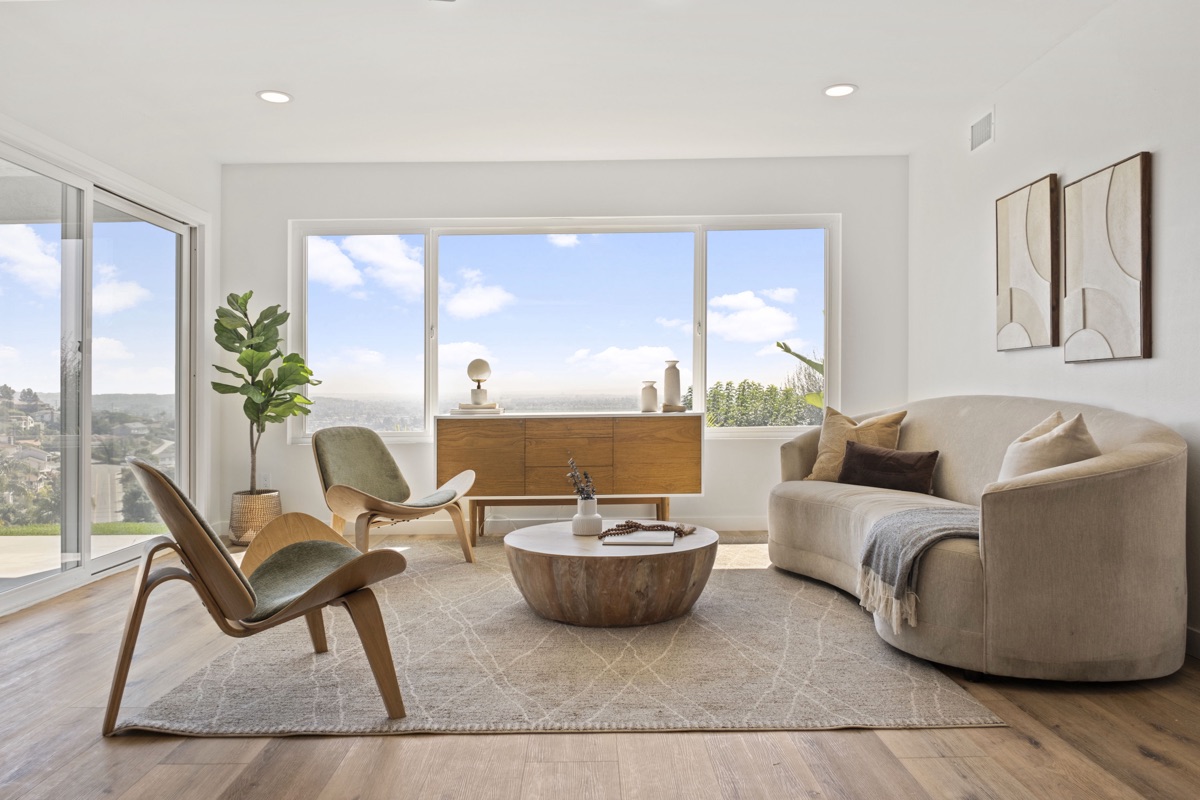
Human beings are remarkably bad at estimating the size of empty rooms. Without furniture for reference, rooms appear smaller than they actually are. A generous 14-by-16-foot living room feels average when it is empty. Put a full-size sofa, two armchairs, a coffee table, and a console in that same room, and buyers suddenly see how spacious it really is.
This is counterintuitive. You would think furniture would make rooms feel smaller. But our brains use objects as reference points for spatial reasoning. Without those reference points, we default to conservative estimates. We worked with a home on Lipan Street in Denver where the living room felt unremarkable during vacant showings. After staging, buyers consistently commented on how large and open the space felt -- even though nothing about the room itself had changed. See the full transformation in our 3640 Lipan case study.
The emotional vacuum
Homes are inherently emotional purchases. Buyers are not just evaluating square footage and finishes -- they are looking for a feeling. Will this space feel warm on a Sunday morning? Can I see myself cooking dinner here with friends? Is this the bedroom where I will finally get a good night's sleep?
Empty rooms provide no emotional cues. They are silent. They echo. They feel cold and institutional, no matter how beautiful the architecture. A vacant kitchen with granite counters and stainless appliances still feels like a showroom, not a home. But add a wooden cutting board, a bowl of lemons, a cookbook open on the counter, and suddenly the buyer can smell dinner cooking.
Buyers do not fall in love with square footage. They fall in love with the life they imagine living in a space -- and empty rooms give them nothing to imagine.
The flaw-focus effect
When a room is empty, every imperfection screams. The small drywall patch becomes the first thing buyers notice. The slightly worn carpet is impossible to ignore. The dated light fixture that would disappear into a well-designed room becomes the visual anchor of the entire space.
This is a well-documented psychological principle called attentional bias. In the absence of positive focal points, our eyes are drawn to negatives. Staging provides those positive focal points -- a statement piece of art draws the eye up and away from the baseboards, a beautiful area rug makes the flooring a non-issue, and a curated vignette on the mantel ensures the fireplace gets noticed instead of the paint nick beside it.
The neuroscience of home buying
Mirror neurons and mental simulation
Neuroscience research has shown that when we see a furnished, lived-in space, our mirror neurons fire. We mentally simulate ourselves in that environment. We picture ourselves sitting in that chair, reading by that lamp, waking up in that bed. This mental simulation is a powerful driver of purchasing behavior.
Empty rooms do not trigger this response. There is nothing to mirror, nothing to simulate. The buyer remains an outside observer rather than a potential inhabitant. This is why, time after time, we see staged homes generate stronger emotional responses during showings -- responses that translate directly into offers.
Decision fatigue and the paradox of choice
You might think an empty room gives buyers freedom to imagine whatever they want. But research on decision-making suggests the opposite. Too much freedom creates paralysis. When buyers walk into an empty room and try to imagine their furniture in it, they face an overwhelming number of possibilities -- most of which they cannot clearly visualize.
Staging eliminates this paralysis by providing a curated answer to the question "how would I live here?" Even if the buyer's personal style differs from the staging, the staged room gives them a concrete starting point. "I would put my couch where that one is, but in blue" is a much easier mental exercise than "what would I even do with this room?"
The data tells the story
The psychological effects of empty rooms translate directly into measurable market outcomes. According to NAR research and our own data from Guest House projects:
- Staged homes sell 73% faster than vacant, unstaged homes.
- 81% of buyers' agents say staging makes it easier for clients to visualize a home as their own.
- Vacant homes receive 15-25% fewer showings than comparable staged listings in the same market.
- Staged homes sell for 6-10% more on average, with some markets seeing even larger premiums.
In a market like San Diego, where the median home price is well above $800,000, even a 6 percent premium represents $48,000 or more. In Boulder, where inventory is tight and competition is fierce, staging can be the difference between one offer and five. Our Manhattan Boulevard case study is a perfect example -- a vacant property that had struggled to attract interest was transformed into a showpiece that sold quickly once staged.
How to solve the vacant home challenge
Full-service staging
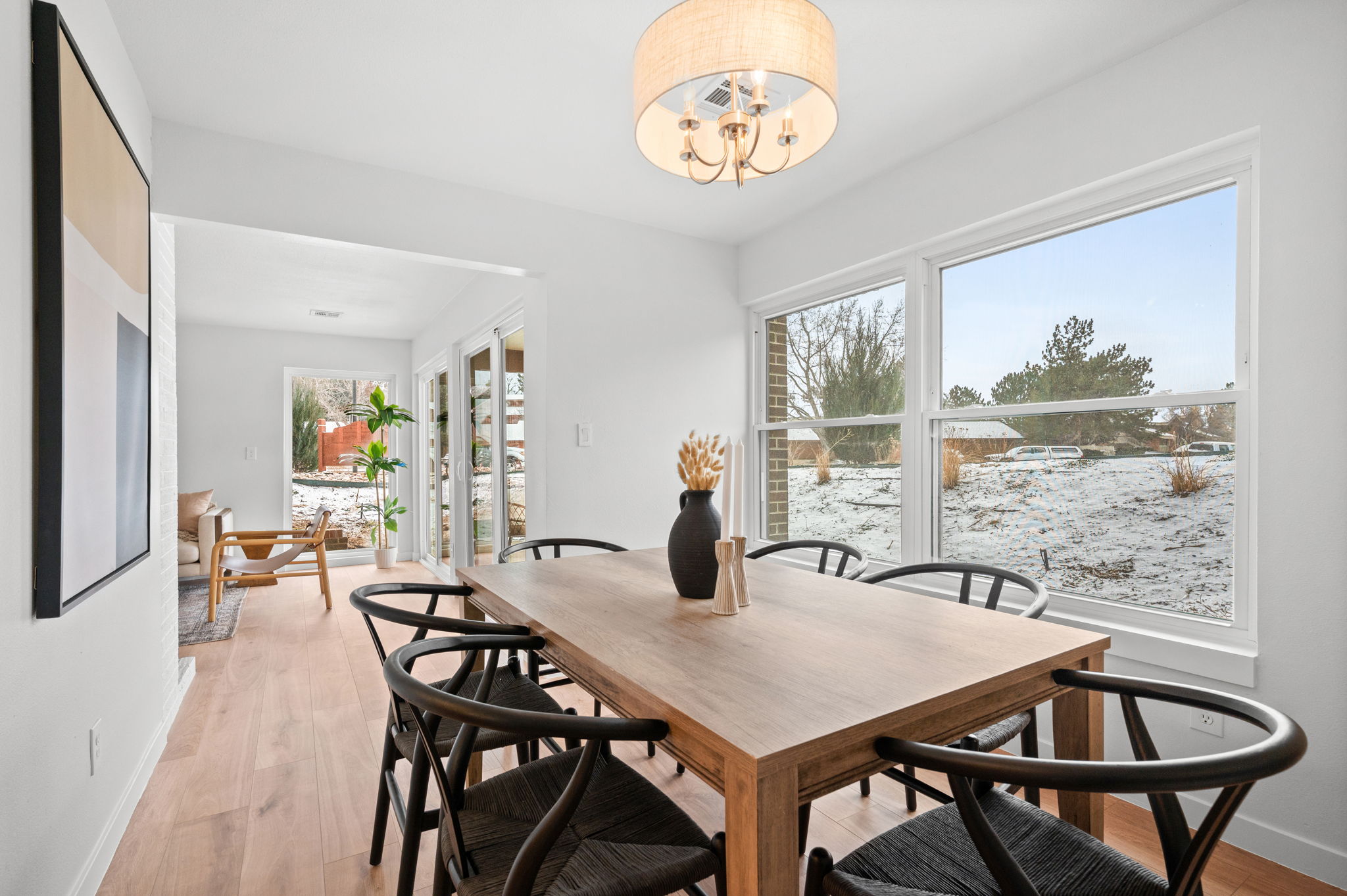
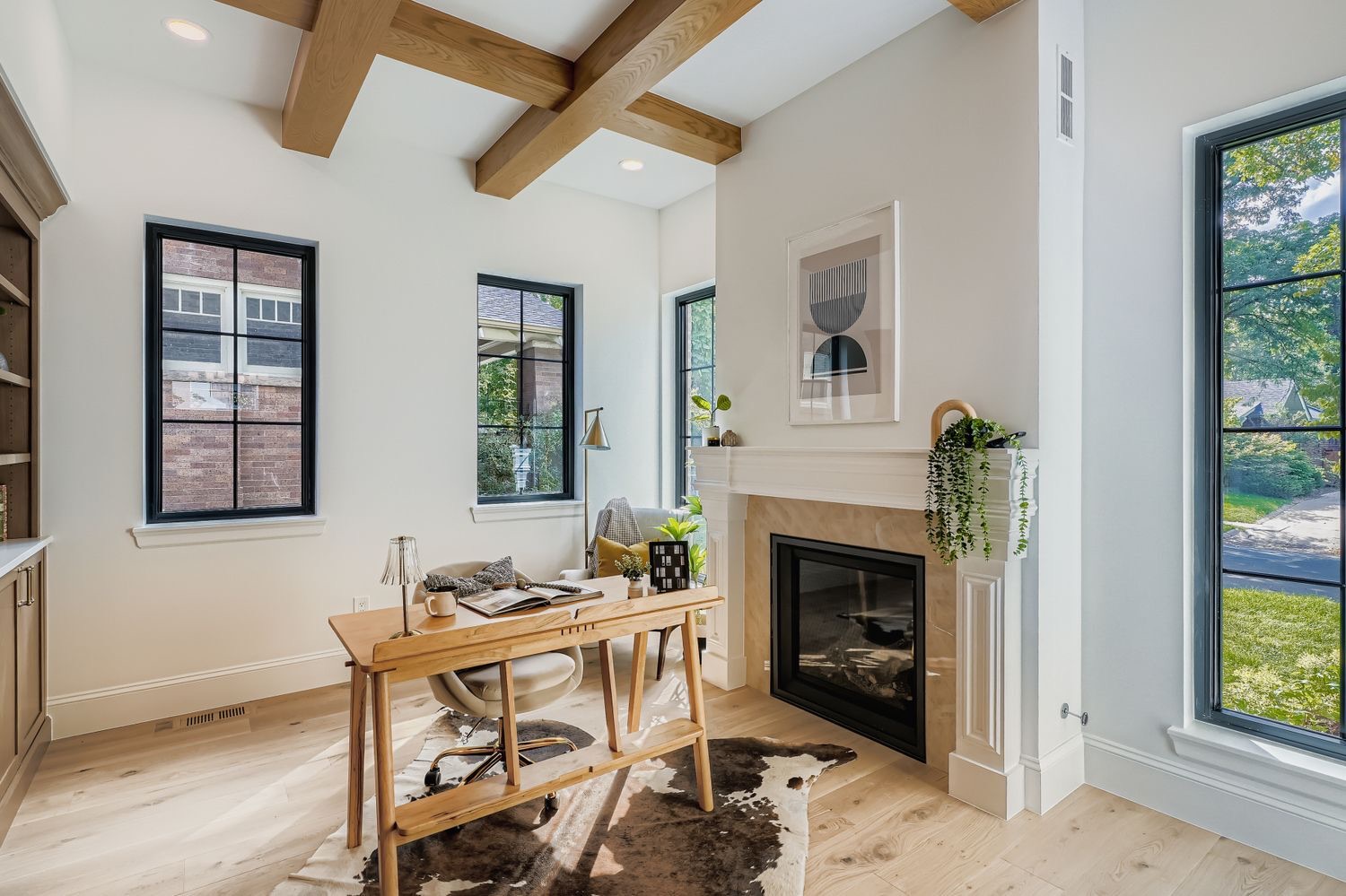
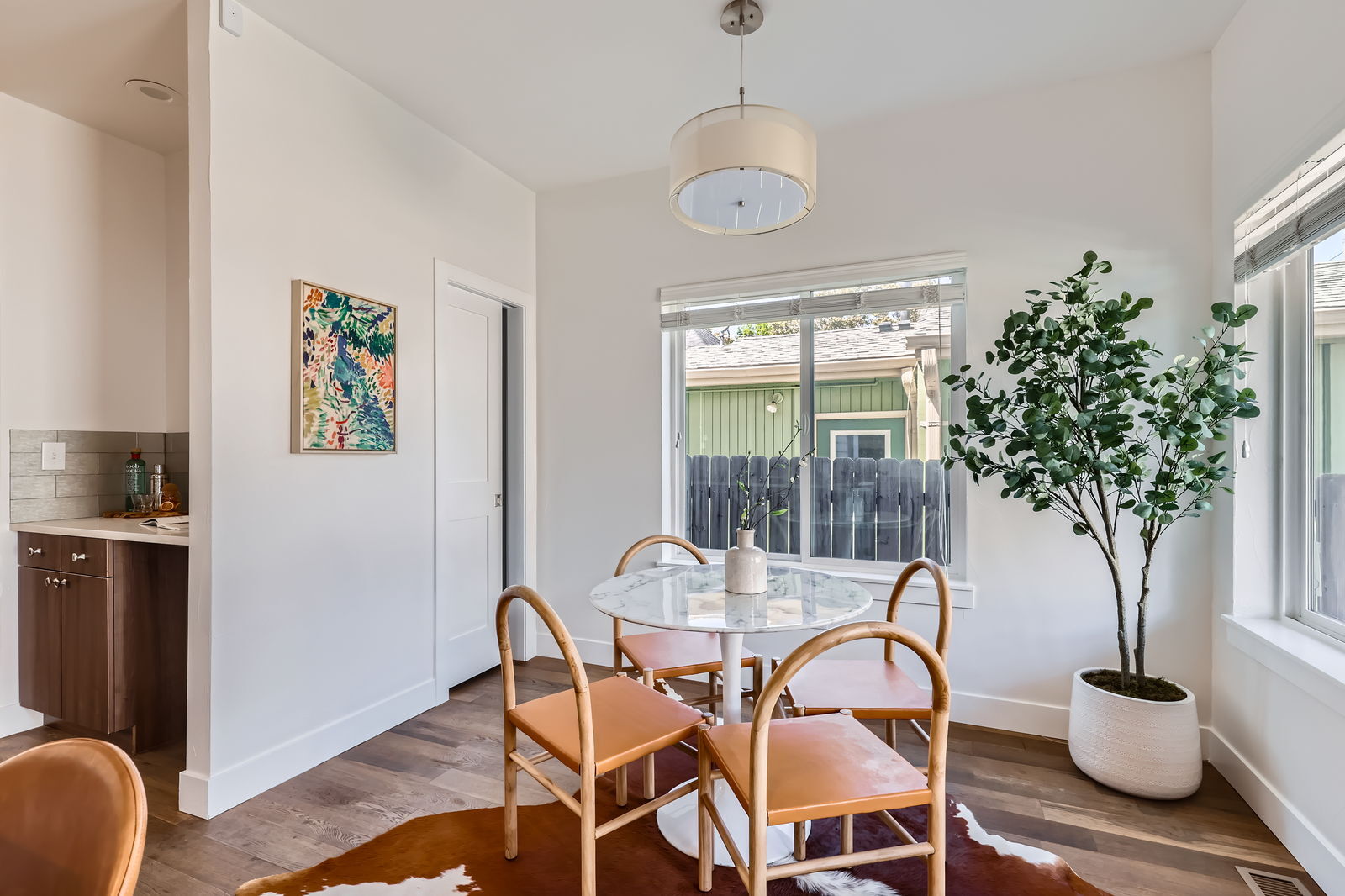
For most vacant homes, full-service staging is the most effective solution. A professional staging company brings in furniture, art, rugs, lighting, and accessories that are specifically selected for the home's architecture, layout, and target buyer demographic.
Partial staging for tight budgets
If budget is a concern, partial staging -- focusing on the three to five most important rooms -- can still deliver strong results. The living room, primary bedroom, and kitchen/dining area are the highest-impact spaces. Staging just these rooms gives buyers the emotional anchors they need while keeping costs manageable. For more ideas on maximizing impact with limited resources, check out our guide to staging on a budget.
Strategic styling consultation
For occupied homes where the owner's furniture will stay, our in-person styling service can transform the existing contents into a cohesive, buyer-friendly presentation. But for truly vacant homes, there is no substitute for bringing in furniture. No amount of throw pillows can fix an empty room.
An empty home is not a blank canvas for buyers -- it is a blank wall. Staging gives them the painting that makes them want to live there.
The bottom line for agents and sellers
If you are listing a vacant home, you are fighting an uphill battle against human psychology. Buyers struggle to imagine themselves in empty spaces. They underestimate room sizes, focus on flaws, and fail to form the emotional connections that drive strong offers.
Staging is not decorating -- it is strategic marketing that leverages how the human brain actually works. The investment is modest relative to the potential return, and the data overwhelmingly supports it.
Want to see what staging would look like for your vacant listing? Get your quote from Guest House, or reach out to our design advisory team for a complimentary consultation on the best approach for your property.