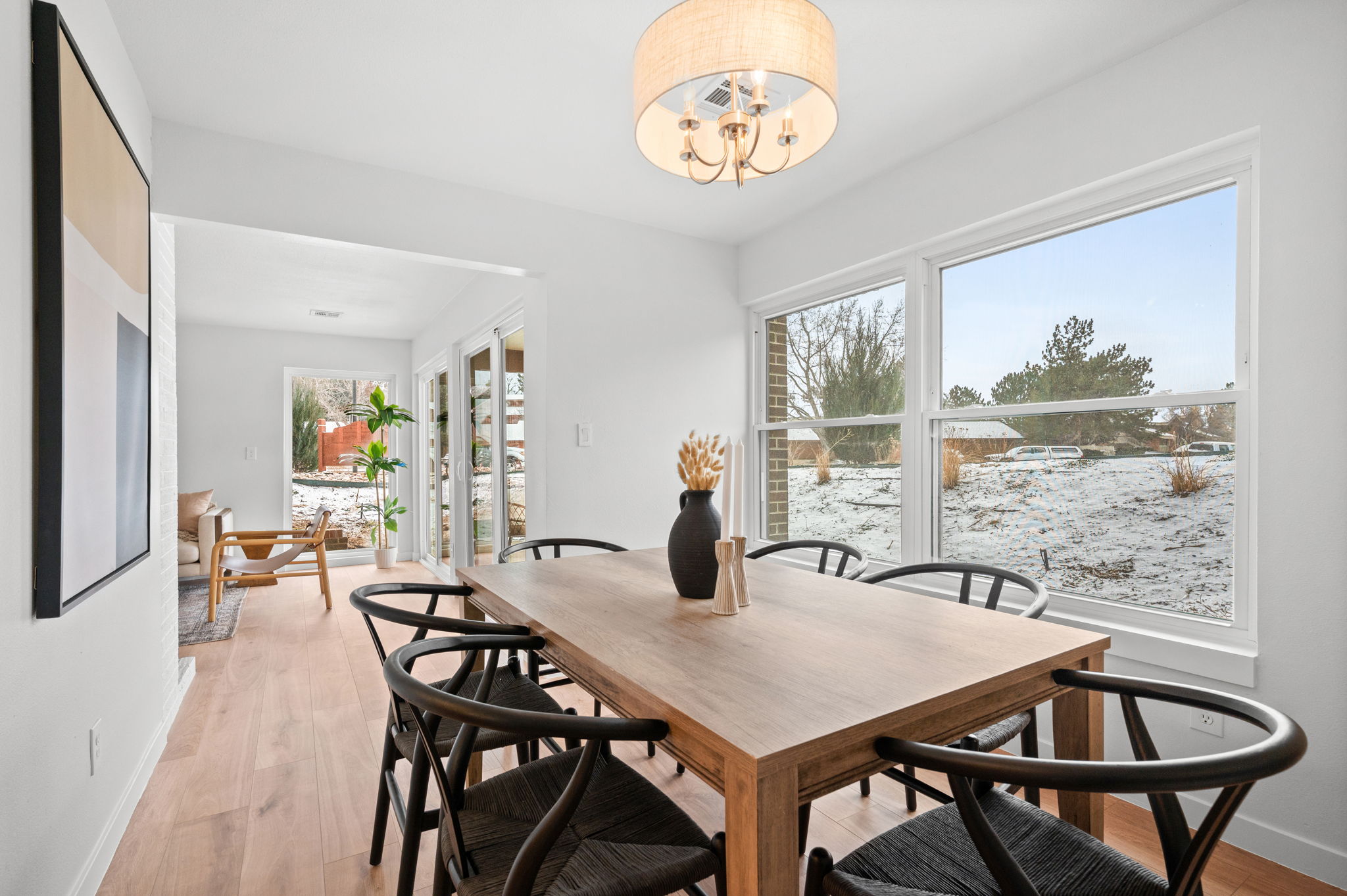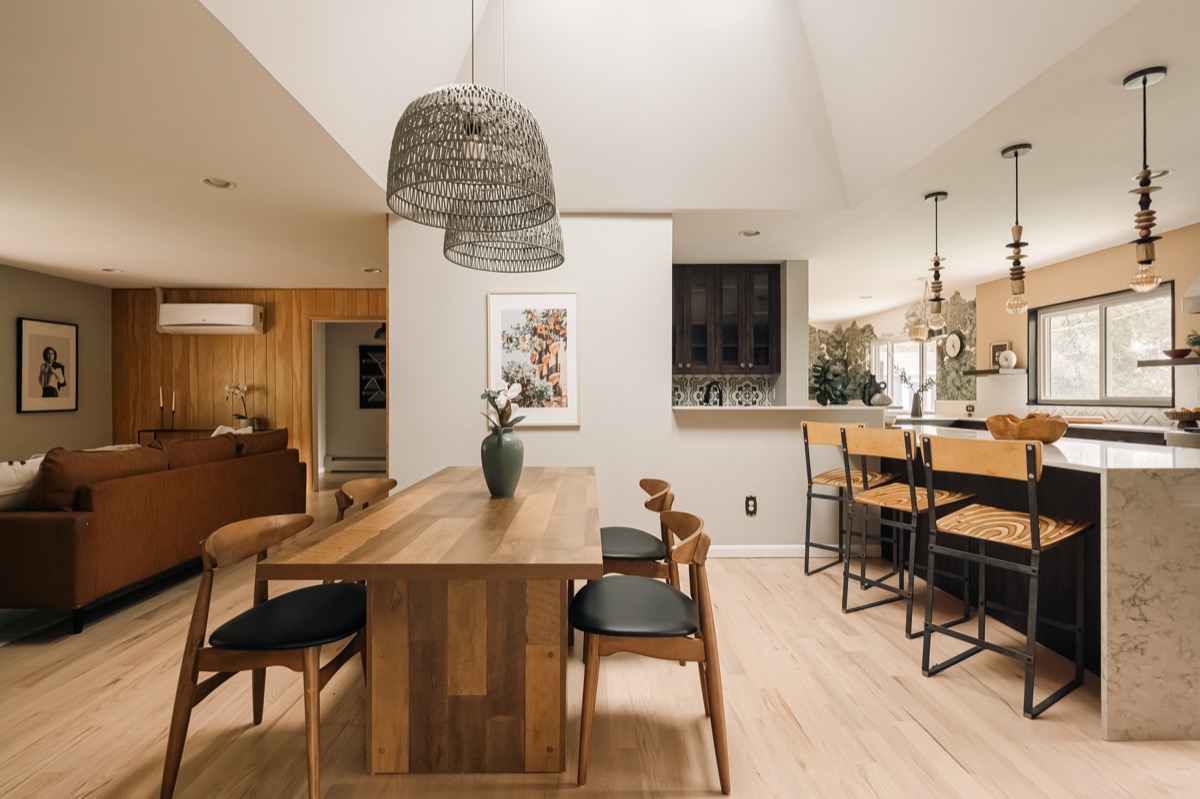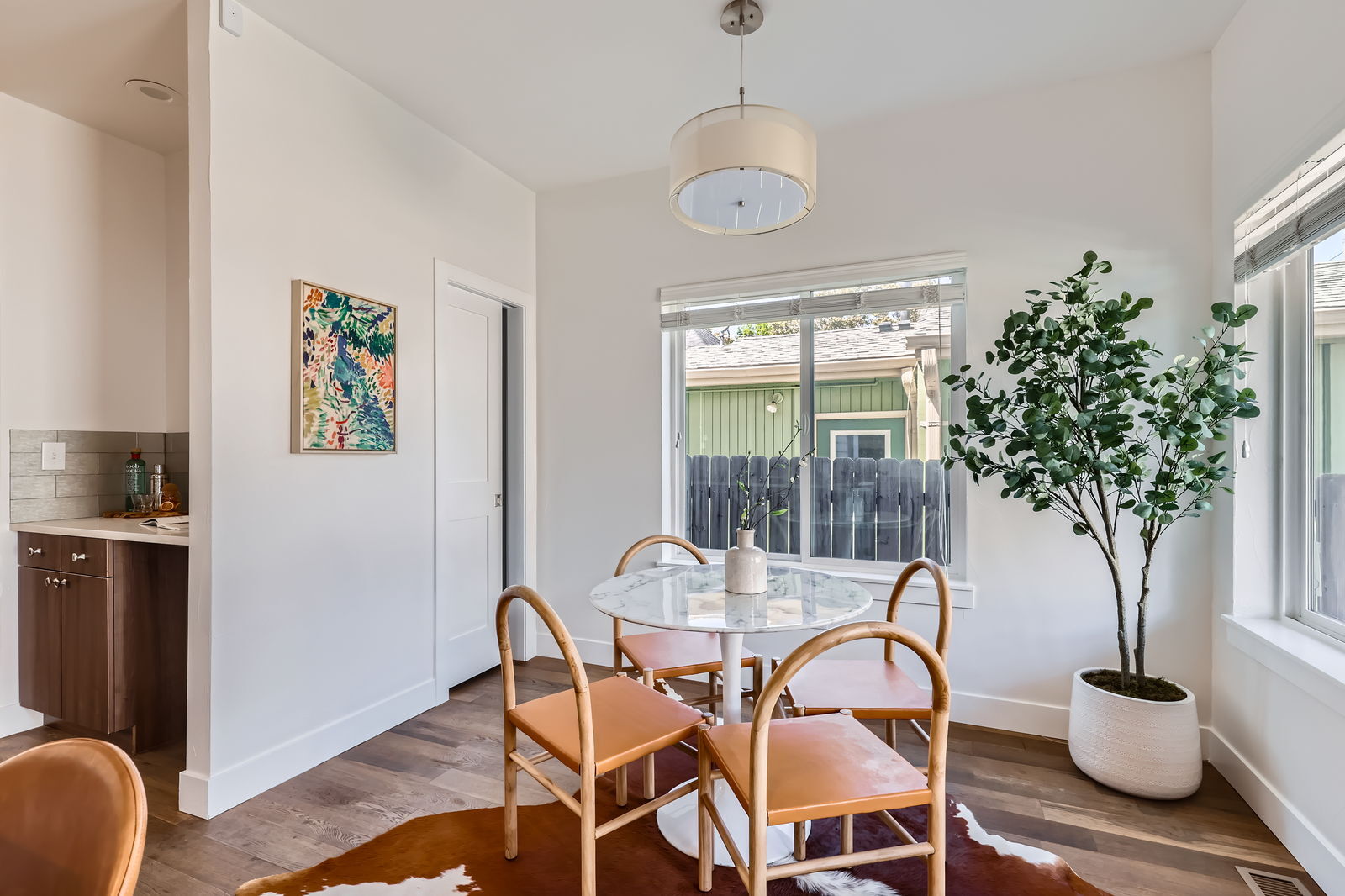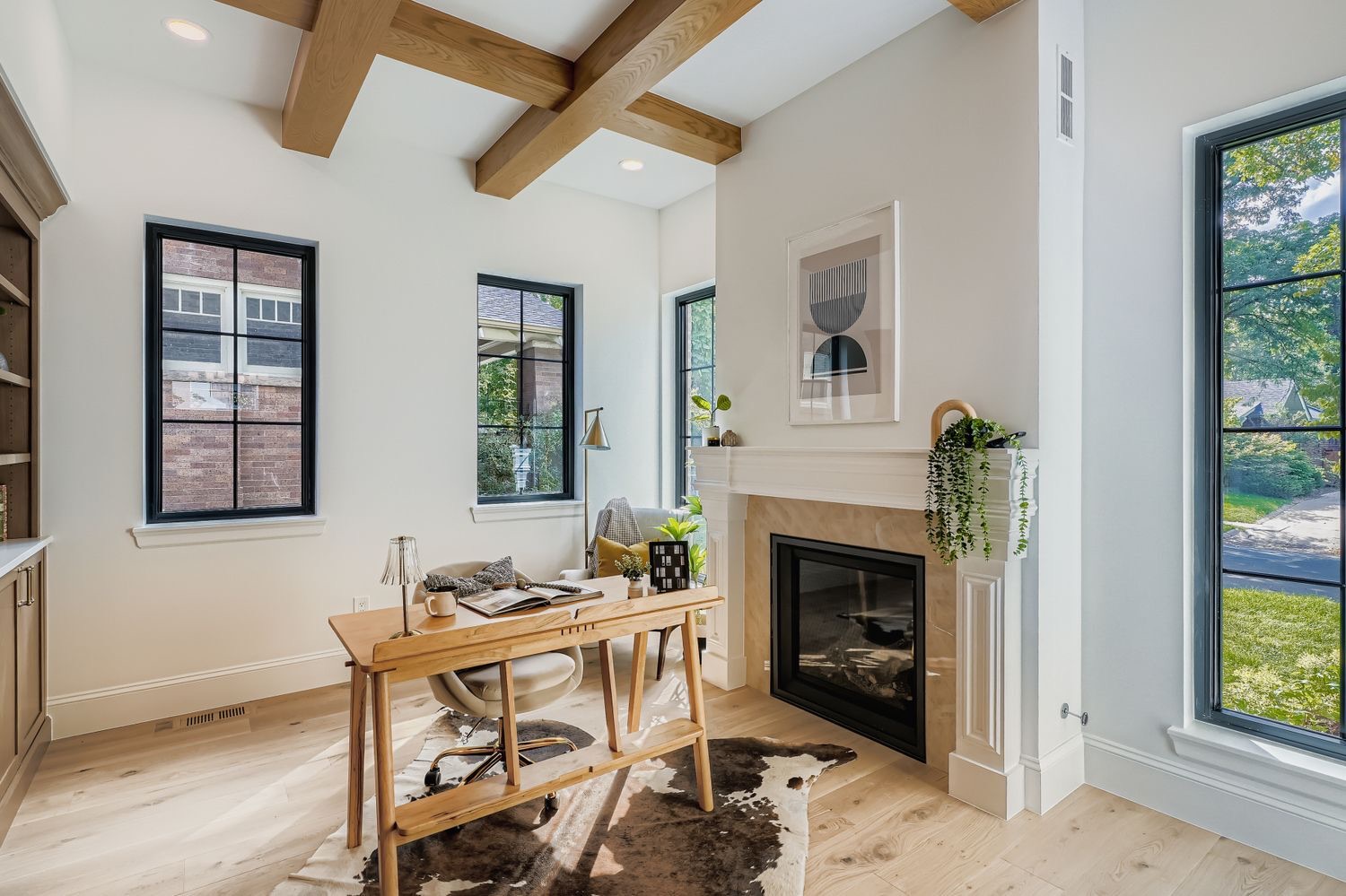

Not every home needs new furniture to sell beautifully
Full-service staging -- where a company brings in all new furniture -- delivers the highest return on investment for most listings. But not every situation calls for it. Many homes go to market occupied, with the seller still living in the space. In these cases, the most practical and cost-effective approach is to style the home using what is already there.
This is exactly what our in-person styling service is designed for. A professional stylist walks the home, rearranges furniture, edits accessories, and makes targeted additions that transform an "occupied home" into a "listing-ready showpiece." The results can be remarkable -- and the cost is a fraction of full-service staging.
Whether you are an agent guiding a seller or a homeowner prepping your own space, here is the comprehensive playbook for styling with existing furniture.
Start with the edit: what stays and what goes
The 50 percent rule
The single most impactful thing you can do when styling with existing furniture is remove half of everything visible. This sounds extreme, but it is the foundation of every professional styling session. Half the items from every bookshelf. Half the art from every wall. Half the accessories from every surface. All personal photos, religious items, and political materials.
Why does this work? Because buyers need to see the home's features, not the owner's personality. Every personal item is a barrier to the buyer imagining themselves in the space. And visually, fewer objects create a sense of spaciousness, order, and calm that directly correlates with perceived home value.
What to remove first
- Family photos and personal memorabilia. These are the biggest barrier to buyer imagination. Box them up first.
- Collections. Whether it is figurines, sports memorabilia, or vintage bottles -- collections read as clutter in listing photos.
- Excess furniture. If a room has more seating than it needs or a piece that crowds the flow, remove it. A room with too much furniture feels smaller than an empty one.
- Dated or worn accessories. Faded throw pillows, tattered blankets, stained rugs -- anything that shows its age should go.
- Bathroom personal items. Toothbrushes, medications, razors, and hair products should be completely hidden during showings.
- Refrigerator magnets and papers. The fridge should be a clean, uninterrupted surface.
The art of styling with existing furniture is not about adding -- it is about subtracting until the home itself becomes the star.
Rearrange for flow and function
The conversation layout
Most homeowners arrange furniture for daily life, which often means everything faces the TV. For listing purposes, you want to create a "conversation layout" -- furniture arranged to suggest social interaction and gracious living. Pull sofas and chairs away from walls (even just 6 to 12 inches), angle them toward each other, and create a clear focal point that is not the television.
Clear the pathways
Walk through the home as a buyer would, from the front door through every room. Is the path obvious and unobstructed? Can you move between rooms without turning sideways? Every piece of furniture that interrupts the natural flow should be repositioned or removed.
Pay special attention to the entry. The first 10 seconds inside the home set the tone for the entire showing. If the buyer walks into a cramped foyer cluttered with shoes, coats, and keys, they carry that impression through the rest of the home. Clear the entry, add a simple console or remove the existing clutter, and let the first impression be one of space and welcome.
The power of the swap
Moving pieces between rooms
One of the most effective professional styling techniques is moving furniture between rooms. That beautiful side table in the guest room might be exactly what the living room needs. The lamp from the primary bedroom might work perfectly in the entry. A bench from the mudroom might create a lovely moment at the foot of the bed.
This costs nothing but unlocks entirely new looks from existing inventory. Our stylists do this in every session, and it is often the change that surprises homeowners the most. "I never thought to put that there" is something we hear constantly.
Reframing the purpose of a room
Sometimes the best thing you can do is change what a room is. That unused formal dining room packed with boxes? Clear it and restyle it as a home office -- a feature that is in enormous demand in every market we serve. The cluttered basement with exercise equipment and storage? Edit it down to suggest a media room or flex space.
Targeted additions that make a difference
The styling kit
Even the best edit-and-rearrange job usually benefits from a few strategic additions. Here is what we recommend having on hand:
- Fresh white towels for every bathroom ($8-$12 each)
- 2-3 neutral throw pillows to replace dated ones ($15-$30 each)
- A simple throw blanket in a warm neutral tone ($25-$50)
- Fresh greenery or a simple plant for the living room and kitchen ($10-$30)
- A large cutting board and bowl of fruit for the kitchen counter ($20-$40)
- New white bed linens if existing ones are dated or busy ($50-$100)
Total investment: $150 to $350. Combined with a thorough edit and rearrangement of existing pieces, these additions can deliver a transformation that rivals much more expensive approaches. For more ideas, see our guide to staging on a budget.
The impact of greenery
Live plants and fresh-cut greenery deserve special mention because their impact is disproportionate to their cost. A single large fiddle leaf fig in the corner of a living room adds life, color, and height that changes the entire feel of the room. A simple arrangement of eucalyptus branches in a clean vase on the dining table creates a centerpiece that photographs beautifully.
In every Guest House market -- from the sun-drenched homes of San Diego to the mountain-view properties of Denver -- greenery creates an emotional warmth that buyers respond to. It signals life and vitality in a way that no other accessory can.
Room-by-room styling priorities
Living room
Conversation layout, clear focal point, edited bookshelves, one or two new throw pillows, a plant, and clean sight lines from the entry. Remove any furniture that crowds the space.
Kitchen
Clear all counters except for three styled items. Clean inside the oven, microwave, and refrigerator (buyers open everything). Remove everything from the front of the refrigerator. If the cabinets are older, consider new hardware -- it is one of the highest-impact budget changes you can make.
Primary bedroom
Hotel-style bed with fresh linens. Nightstands with one item each (a lamp and a book, or a lamp and a small plant). Clear the top of the dresser. Remove the TV if possible. The primary bedroom should feel like a retreat, not a media center.
Bathrooms
Fresh white towels, a simple soap dispenser, one small decorative item, and absolutely nothing else on visible surfaces. Clean grout, caulk, and fixtures until they shine.
Home office
A clean desk with a lamp, a small plant, and one closed notebook or book. Remove cable clutter, personal papers, and anything that makes the space feel busy. The home office should look productive and calm.
Professional styling is not about having the best furniture. It is about presenting every room at its best, using whatever furniture you have.
When to call in a professional stylist
You can absolutely implement many of these techniques on your own. But there are situations where a professional stylist delivers results that are difficult to replicate:
- The homeowner is emotionally attached and cannot objectively edit their own space. A professional provides the outside perspective and diplomatic authority to make necessary changes.
- The home has a challenging layout that requires creative furniture placement to show well.
- The listing is in a competitive price bracket where presentation quality directly impacts offer volume and sale price.
- The agent wants to provide premium service as part of their listing offering. Having a professional stylist on your team elevates your entire brand.
Our in-person styling service covers all of this -- a trained Guest House stylist visits the home, directs the entire transformation, and ensures it is photo-ready. It is one of the most popular services among agents in our network because it delivers professional results at a fraction of full-staging cost.
For homes that need more than styling can provide -- particularly vacant properties -- our full-service staging brings in a complete furniture package. And if you are not sure which approach is right for your listing, our Smart Quote tool will analyze your property and recommend the ideal service level.
You can also explore our Carlsbad case study and Lipan Street case study to see the difference professional preparation makes -- whether through styling, staging, or a combination of both.