
Two approaches, very different results
The staging debate has evolved. A decade ago, the question was simple: stage or do not stage. Today, agents and sellers face a more nuanced choice -- virtual staging or physical staging? Both promise to help homes sell faster and for more money, but the reality is more complicated than marketing materials suggest.
What virtual staging actually is
Virtual staging uses software to digitally insert furniture, decor, and finishes into photos of empty rooms. A designer (or increasingly, an AI tool) takes a photograph of a vacant space and adds realistic-looking furnishings. The result is a photo that shows what the room could look like -- without any physical furniture ever entering the home.
The appeal
- Cost: Virtual staging typically runs $25 to $75 per image, making it dramatically cheaper than physical staging.
- Speed: Turnaround is usually 24 to 48 hours. No scheduling installs, no waiting for delivery trucks.
- Flexibility: You can create multiple design styles for the same room and swap them out easily.
- No logistics: No furniture to move, no install teams to coordinate, no deinstall to schedule.
The limitations
Virtual staging looks great in a listing photo. But here is the problem: buyers do not buy homes from photos. They buy homes from experiences. And this is where virtual staging falls short in ways that matter.
When a buyer walks into a virtually staged home, they encounter empty rooms. The beautiful living room they saw online -- the one that made them schedule a showing -- does not exist. Research from the National Association of Realtors shows that 83 percent of buyers visit a home in person before making an offer. That means the vast majority of your potential buyers will experience a disconnect between the listing photos and reality.
Virtual staging gets clicks. Physical staging gets offers. The question is which outcome matters more for your seller's bottom line.
What physical staging delivers
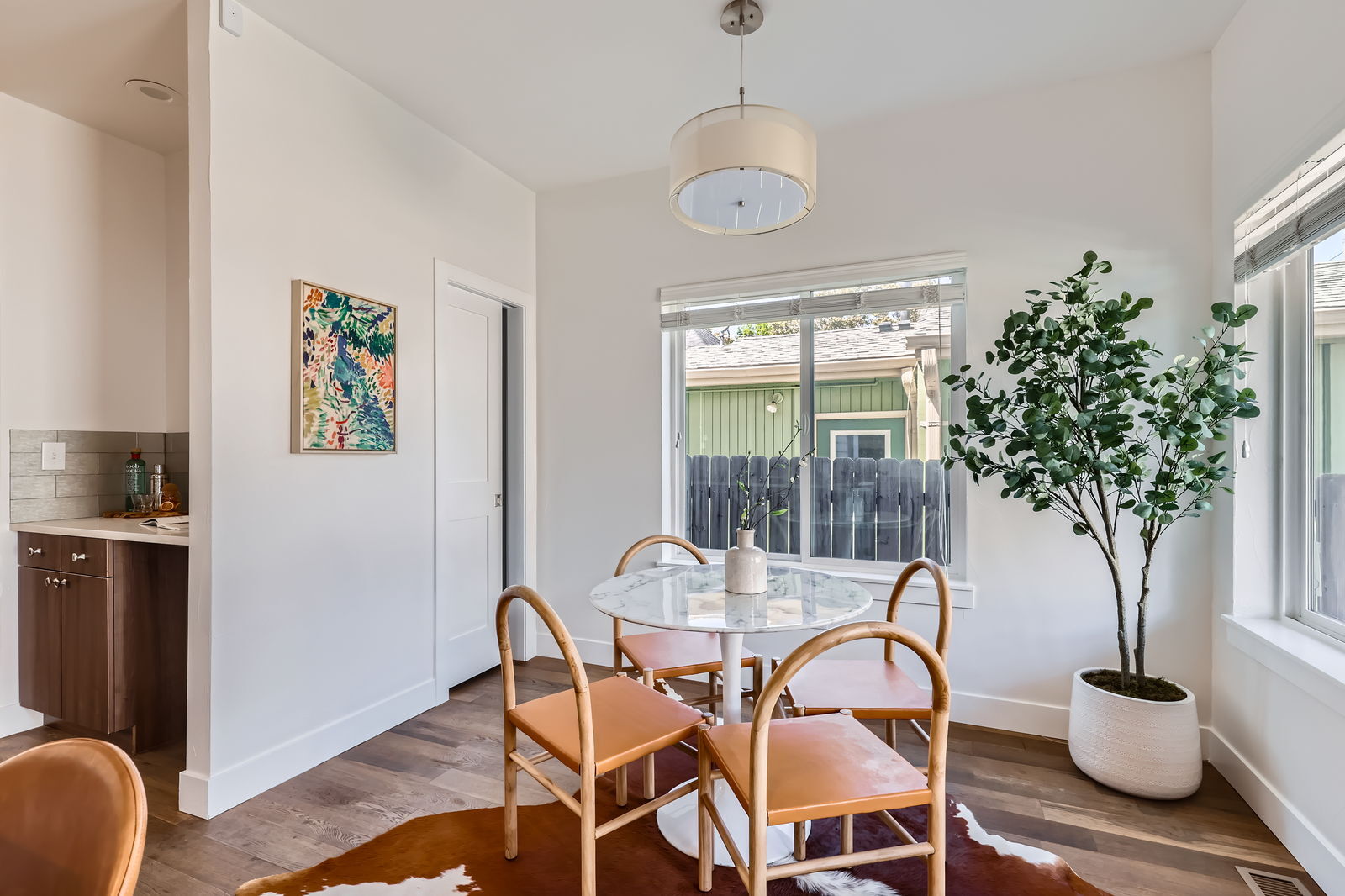
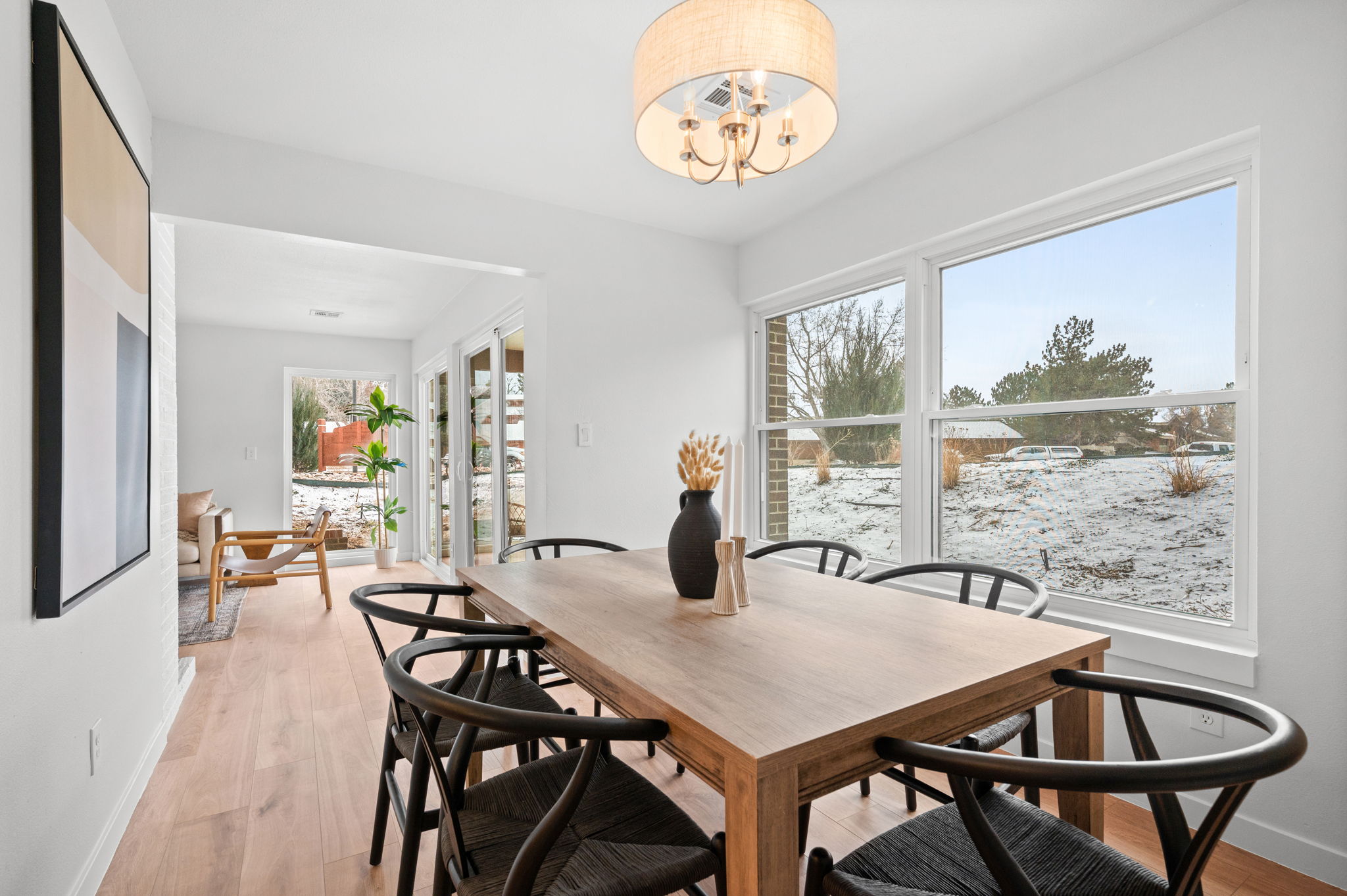
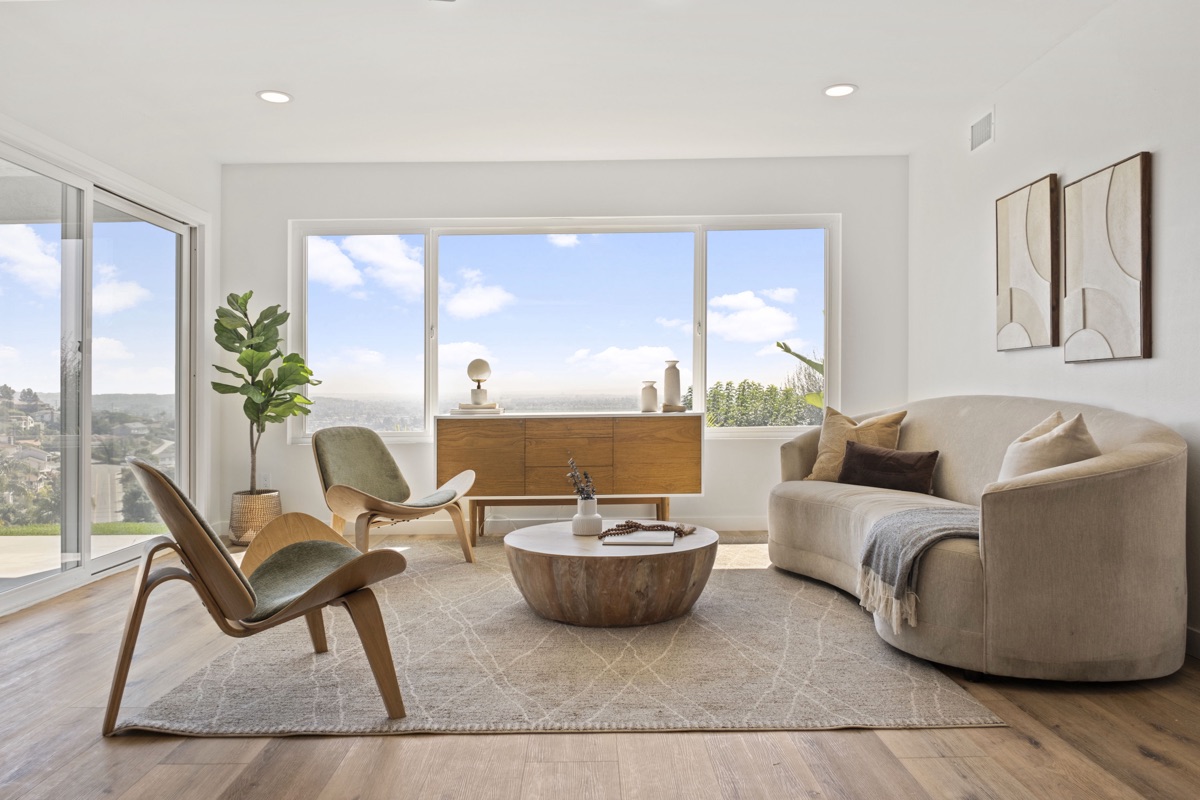
Physical staging -- what we do at Guest House through our full-service staging program -- means bringing real furniture, real art, and real accessories into the home. Every room is designed to appeal to the target buyer demographic and photographed in its fully staged state.
The buyer experience
When a buyer walks into a physically staged home, they get the same experience online and in person. There is no bait and switch. The cozy reading nook they saw in the listing photos is actually there. The dining room that looked perfect for entertaining is set and ready. They can sit on the sofa, feel the quality of the materials, and visualize their life in the space.
This consistency between online and in-person experience is enormously powerful. In our Lipan Street case study, the staged home received multiple offers within the first weekend -- and agents repeatedly told us that buyers mentioned the staging as a factor in their emotional connection to the property.
The emotional factor
Virtual staging can spark interest. Physical staging creates desire. And desire is what drives buyers to write offers above asking price.
The ROI comparison
Virtual staging ROI
A typical virtual staging investment for a three-bedroom home might look like this:
- 6 rooms virtually staged at $50/image: $300
- Impact on days on market: modest (5-10% reduction vs. vacant)
- Impact on sale price: minimal to none (buyers still walk into empty rooms)
- Risk of buyer disappointment: high
Physical staging ROI
The same home with full-service staging from Guest House:
- Full staging package: $2,500-$5,000 (varies by market and home size)
- Impact on days on market: significant (staged homes sell 73% faster per NAR data)
- Impact on sale price: 6-10% higher sale price on average
- Buyer experience: consistent from first click to final walkthrough
On a $600,000 home in Denver, a 6 percent price increase equals $36,000. Even at the high end of staging costs, that is a 7x return on investment. Virtual staging saves you $2,000 to $4,500 upfront but potentially leaves tens of thousands on the table.
Not sure what staging would cost for your next listing? Our Smart Quote tool gives you an instant estimate based on your property details.
Saving $3,000 on virtual staging while losing $30,000 in sale price is not a cost saving -- it is the most expensive decision a seller can make.
When virtual staging might work
We are not saying virtual staging has zero place in real estate. There are specific scenarios where it can be useful:
- New construction pre-sales: When the home is not yet built, virtual staging of rendered spaces can help buyers visualize the finished product.
- Investment properties: For rental properties or low-price-point flips where staging costs would represent a disproportionate percentage of the sale price.
- Supplemental marketing: Using virtual staging alongside physical staging to show alternative design options (e.g., showing a staged office that could also work as a nursery).
- Remote or rural markets: In areas where physical staging logistics are prohibitively complex or no local staging companies operate.
When physical staging is the clear winner
For the vast majority of residential resale listings -- especially in competitive markets like those we serve -- physical staging delivers measurably better results. This is particularly true for:
- Vacant homes: Empty rooms photograph poorly and feel cold in person. Read more about why in our article on the psychology of empty rooms.
- Homes above the median price point: Buyers spending $500,000+ expect a polished presentation. Virtual staging at this level feels like cutting corners.
- Properties with challenging layouts: Physical staging helps buyers understand how to use awkward spaces, odd room shapes, and open floor plans. This is something we excelled at in our Manhattan Boulevard project in Boulder.
- Competitive markets: When multiple similar homes are listed simultaneously, staging is the differentiator that drives more showings and stronger offers.
The hybrid approach
Some agents are finding success with a hybrid strategy: physically staging the main living areas (living room, primary bedroom, kitchen/dining) and using virtual staging for secondary spaces like guest bedrooms, bonus rooms, or home offices. This approach captures the emotional impact of physical staging where it matters most while managing costs.
If you are considering a hybrid approach, our Expert Design Advice service can help you determine which rooms deserve physical staging and which can be handled virtually -- based on your specific property and target buyer.
At the end of the day, the staging approach you choose should be driven by one question: what will generate the best possible outcome for your seller? In most cases, the answer is physical staging -- not because it is more expensive, but because it works.
Ready to see the difference for yourself? Explore our in-person styling options or get a free instant quote for your next listing.