
Why days on market is the metric that matters most
In real estate, time is the enemy. Every additional day a home sits on the market costs the seller money, not just in carrying costs like mortgage payments, insurance, and utilities, but in perceived value. Buyers and agents interpret extended days on market as a signal that something is wrong, whether the price is too high, the condition is lacking, or the property simply is not desirable. That perception erodes negotiating leverage and often leads to price reductions.
Every week a home sits unsold after the initial launch window, the seller loses negotiating power. Staging compresses the timeline when it matters most.
The data: staged vs. unstaged by price range
The National Association of Realtors, the Real Estate Staging Association, and multiple MLS studies have consistently shown that staging reduces days on market. But the magnitude of that reduction varies significantly by price point. Here is what the data shows across Guest House markets.
Under $500,000: the starter and entry-level segment
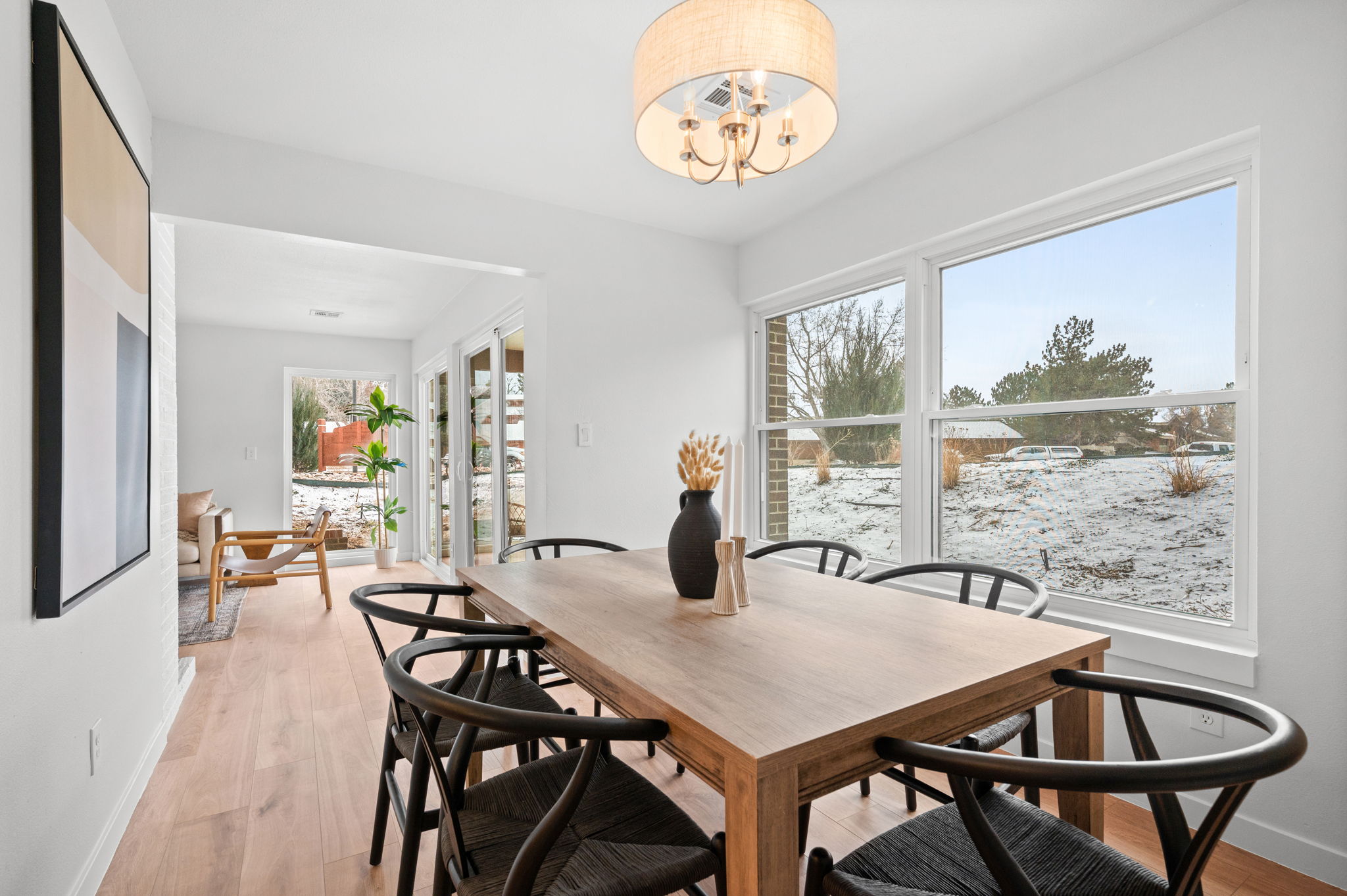
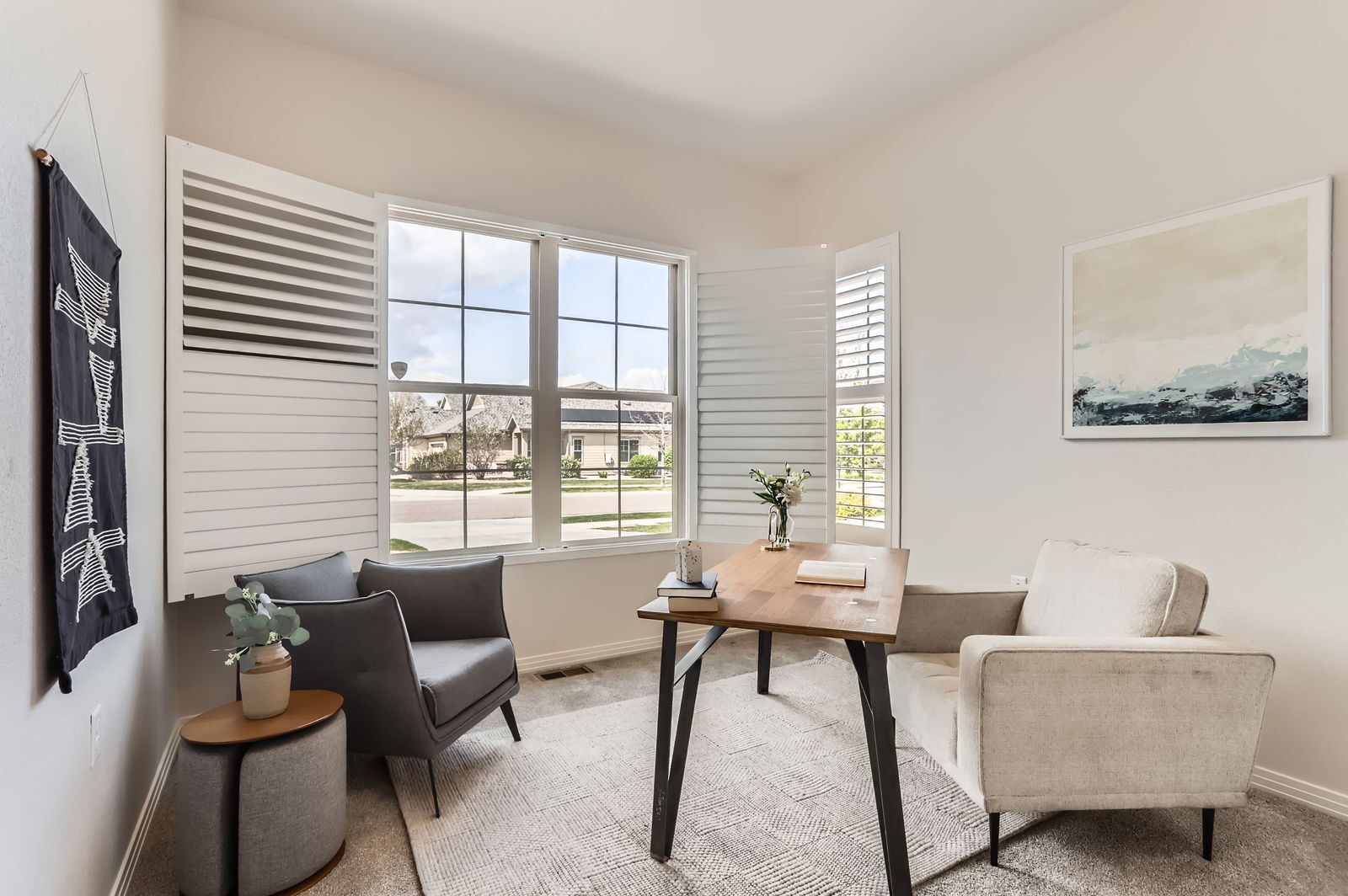
Staging in this range does not need to be elaborate. In-person styling using the seller's existing furnishings, combined with thoughtful decluttering and accessorizing, can produce a dramatic visual improvement at a modest cost.
$500,000 to $1,000,000: the core market
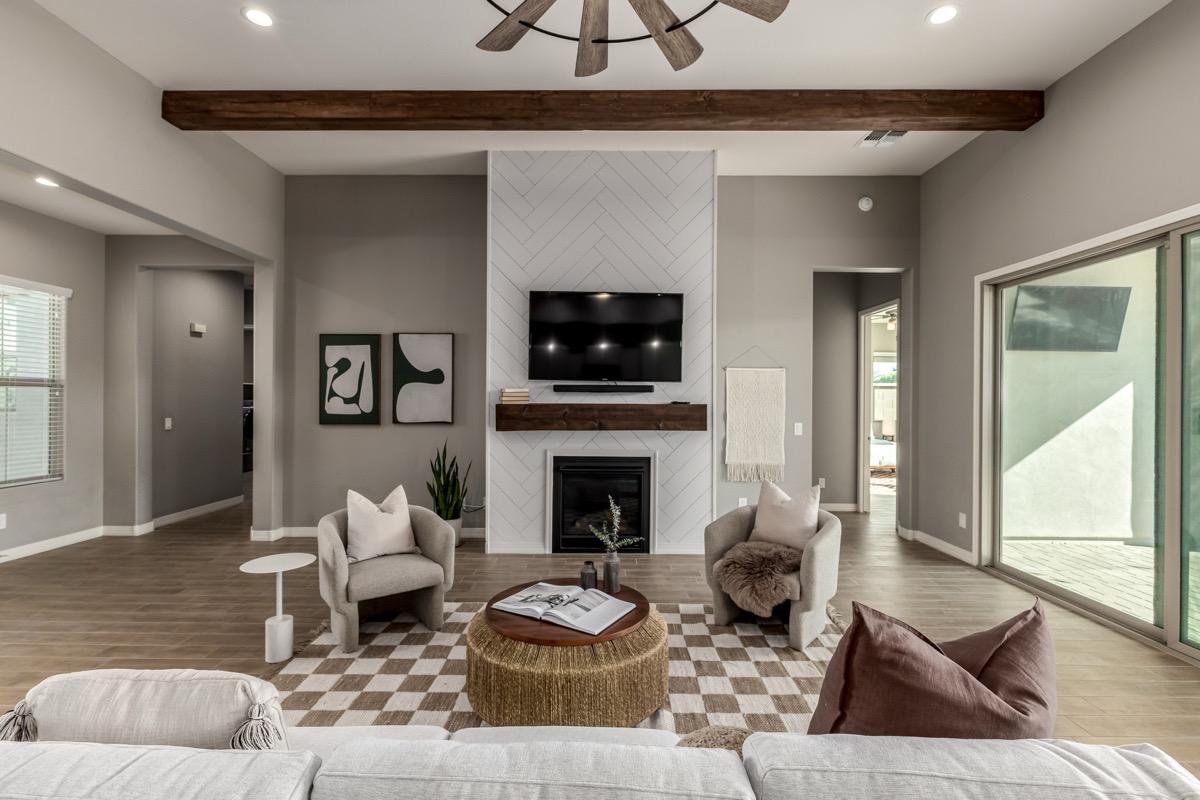
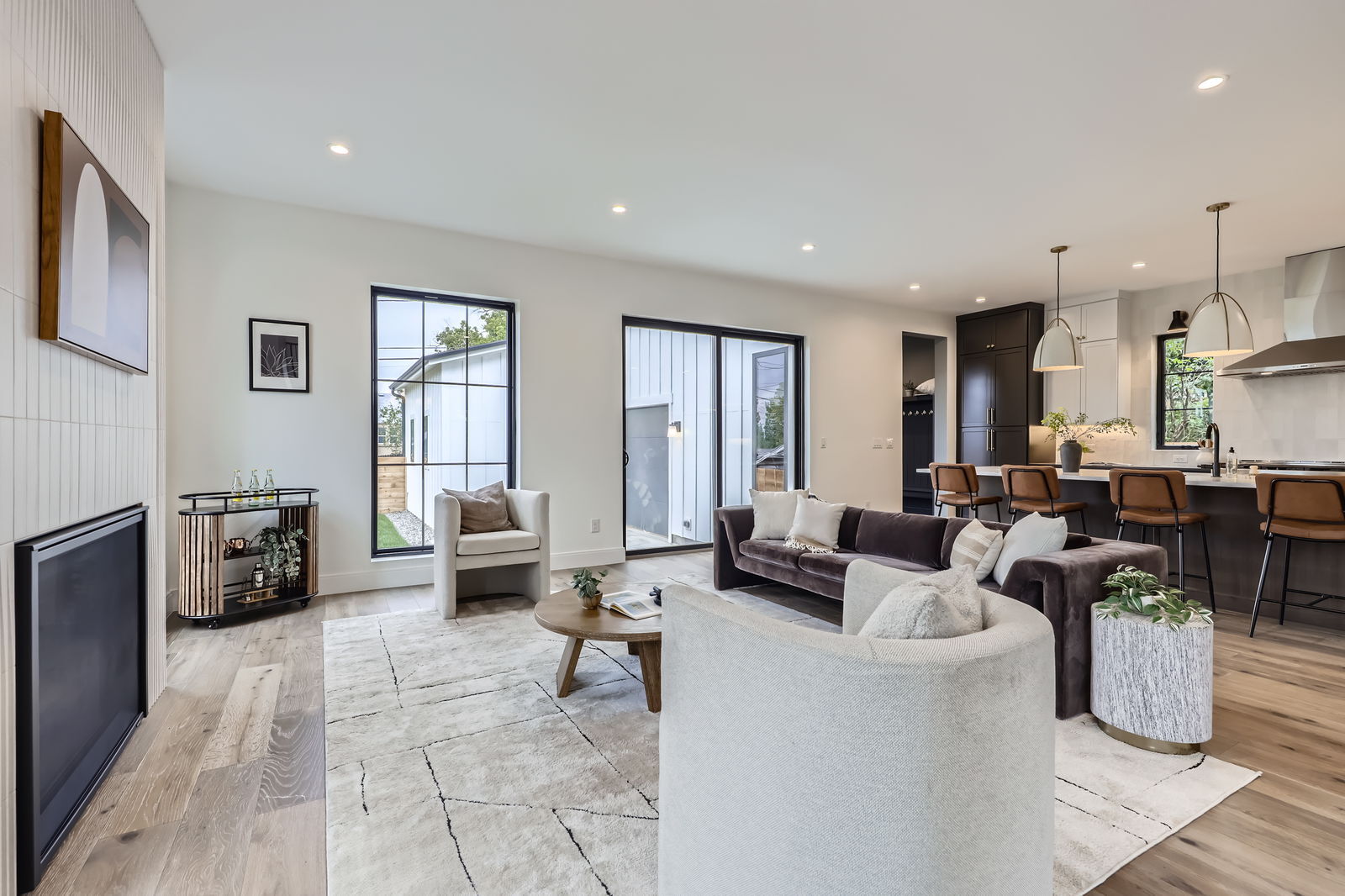
This is the sweet spot where staging has the most dramatic impact on days on market. Homes priced between $500K and $1M that are professionally staged sell an average of 15-25 days faster than comparable unstaged properties. In percentage terms, that can mean a 40-60% reduction in DOM.
Why is the impact so large here? Buyers in this range are often making the biggest financial decision of their lives. They are cautious, detail-oriented, and highly comparison-driven. When they walk into a staged home after touring vacant or cluttered competitors, the contrast is stark. The staged home feels more valuable, more cared-for, and more desirable. That emotional response translates to faster offers and stronger terms.
$1,000,000 to $3,000,000: the move-up and luxury-adjacent segment
In this bracket, staging is not just helpful. It is expected. Buyers spending seven figures expect a curated, aspirational presentation. Unstaged homes in this range face an average DOM of 60-90 days in many markets, while staged homes typically sell in 30-50 days. That 30-40 day reduction represents significant carrying cost savings for sellers and demonstrates the power of full-service staging.
The 836 Carlsbad case study is a perfect example. This San Diego-area property was professionally staged and went under contract significantly faster than comparable unstaged listings in the same neighborhood.
$3,000,000 and above: the luxury segment
High-end luxury listings have inherently longer DOM due to a smaller buyer pool. However, staging still makes a meaningful difference. Luxury buyers are accustomed to high-end environments, hotels, resorts, and design showrooms. A vacant luxury home feels cold and institutional. A staged luxury home invites the buyer to imagine living there.
The "stale listing" penalty and how staging prevents it
One of the most damaging outcomes in real estate is the stale listing, a property that has been on the market long enough that agents and buyers begin to assume it is overpriced or flawed. The threshold varies by market, but in fast-moving areas like Denver and San Diego, a listing that crosses 30 days without an offer is already accumulating stigma.
Staging helps prevent the stale listing penalty in two ways. First, it generates stronger initial interest by making listing photos stand out online, which drives more showings in the critical first two weeks. Second, it creates a more compelling in-person experience that converts showings into offers more efficiently.
The cascading cost of extended DOM
Consider a home listed at $750,000 in Boulder. Every month it sits unsold, the seller pays roughly $4,000-$5,000 in mortgage, insurance, taxes, and utilities. After 60 days, the carrying costs have reached $8,000-$10,000. If the seller then reduces the price by 3% to attract offers, that is another $22,500 off the bottom line. The total cost of not staging, measured in carrying costs and price reductions, can easily exceed $30,000, far more than the cost of professional staging.
The cost of staging is a known, manageable expense. The cost of not staging is an unknown, compounding liability that grows every day the home sits.
How staging drives faster offers: the psychological mechanics
Understanding why staging reduces DOM requires understanding buyer psychology.
- Online click-through: Staged listing photos generate more clicks and saves on portal sites, driving higher showing volume from day one.
- Spatial understanding: Buyers cannot visualize furniture scale in empty rooms. Staging removes that cognitive load and helps buyers understand how rooms function.
- Emotional connection: A furnished, styled home triggers aspirational emotions. Buyers begin to imagine their life in the space, which accelerates the decision to make an offer.
- Reduced objections: Staged homes show better in person, which means fewer buyer concerns about condition, layout, or livability that might otherwise delay an offer.
- Competitive urgency: When a staged home shows well, buyers sense that others will also be interested. This fear of missing out drives faster decisions.
Applying this to your listings
Here is a practical framework for deciding how to allocate staging investment based on price range.
- Under $500K: In-person styling with the seller's furnishings plus professional photography. Focus on decluttering and depersonalizing.
- $500K-$1M: Full staging of key rooms (living room, primary bedroom, kitchen/dining). This is the price range where the DOM impact is most pronounced and the ROI of staging is clearest.
- $1M-$3M: Comprehensive full-service staging of the entire home. At this price point, buyers expect every room to be presented at its best.
- $3M+: Full luxury staging with high-end furnishings and art. Consider expert design consultation to ensure the staging aligns with the property's architecture and target buyer profile.
No matter the price range, the first step is understanding what your specific property needs. Get a free staging quote from Guest House to see a tailored recommendation for your listing.
The bottom line
See staging in action with our case studies from 500 Manhattan in Boulder and 3640 Lipan in Denver.