
Design trends that sell and the ones that stall
Every year, design magazines publish their trend forecasts. And every year, agents and sellers wonder the same thing: which trends actually matter when it comes to selling a home? The answer is not always what the design world expects, because the trends that win awards and the trends that win offers are often very different things.
Trends buyers love in 2025
1. Warm minimalism
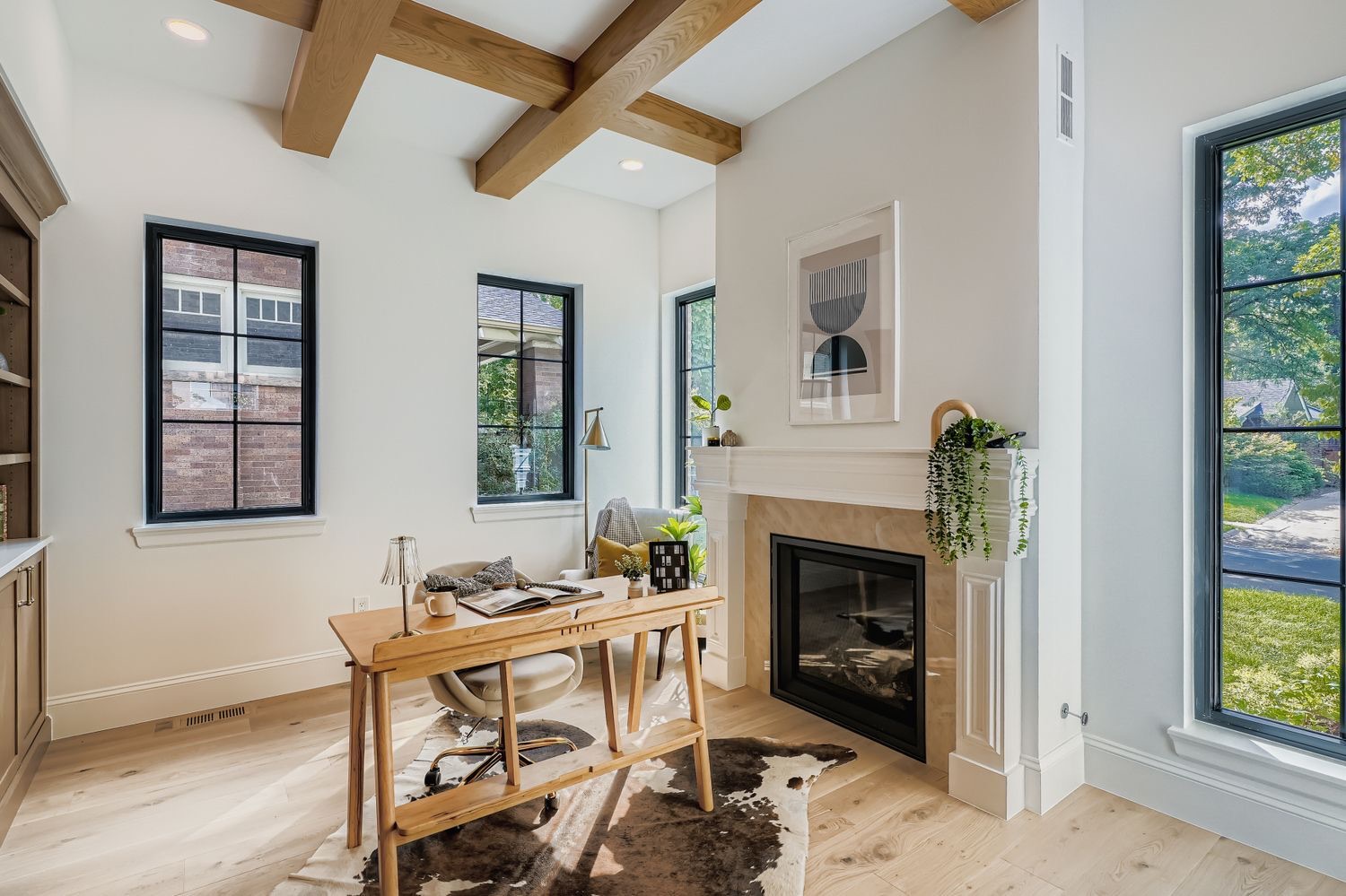
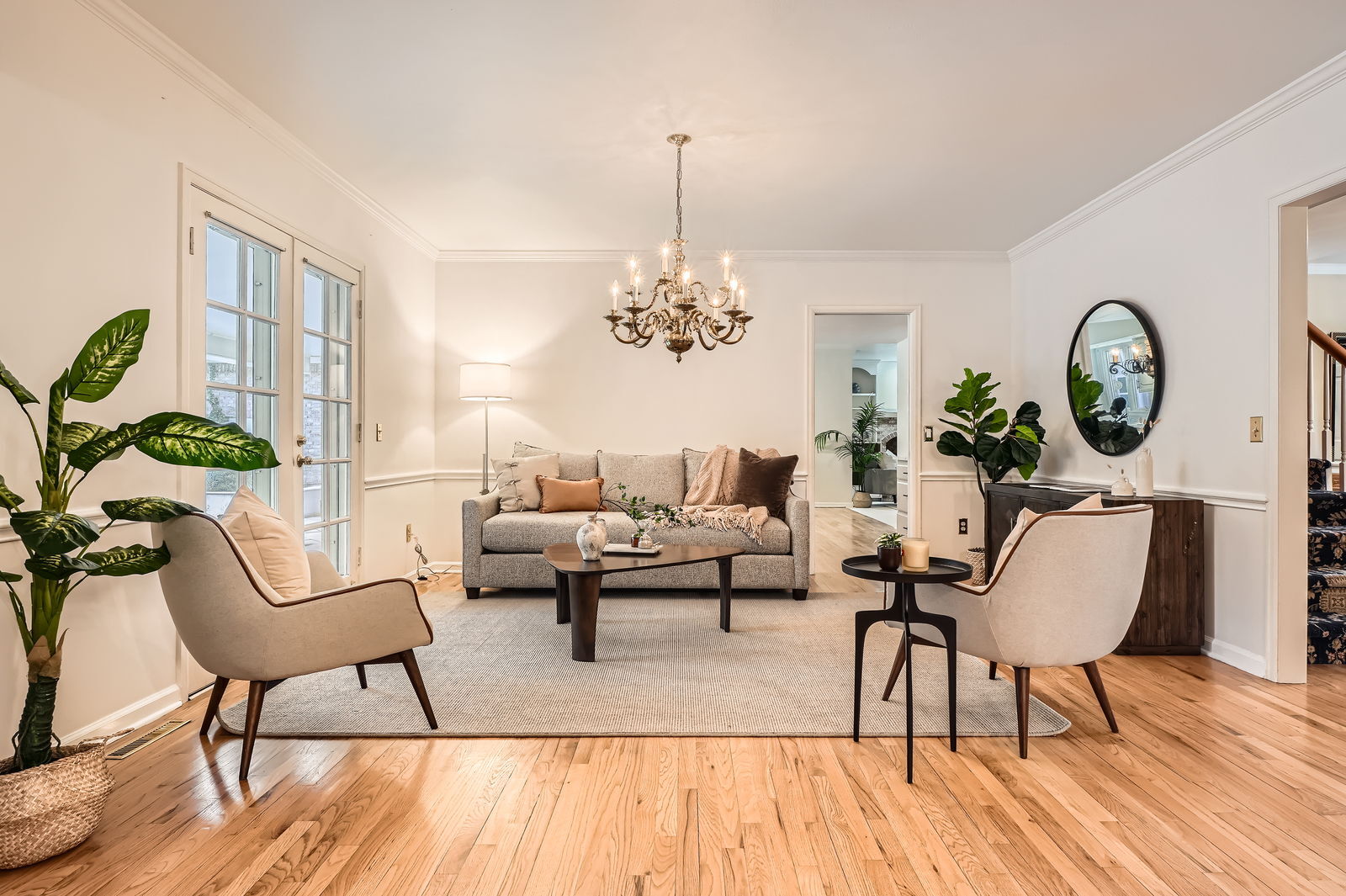
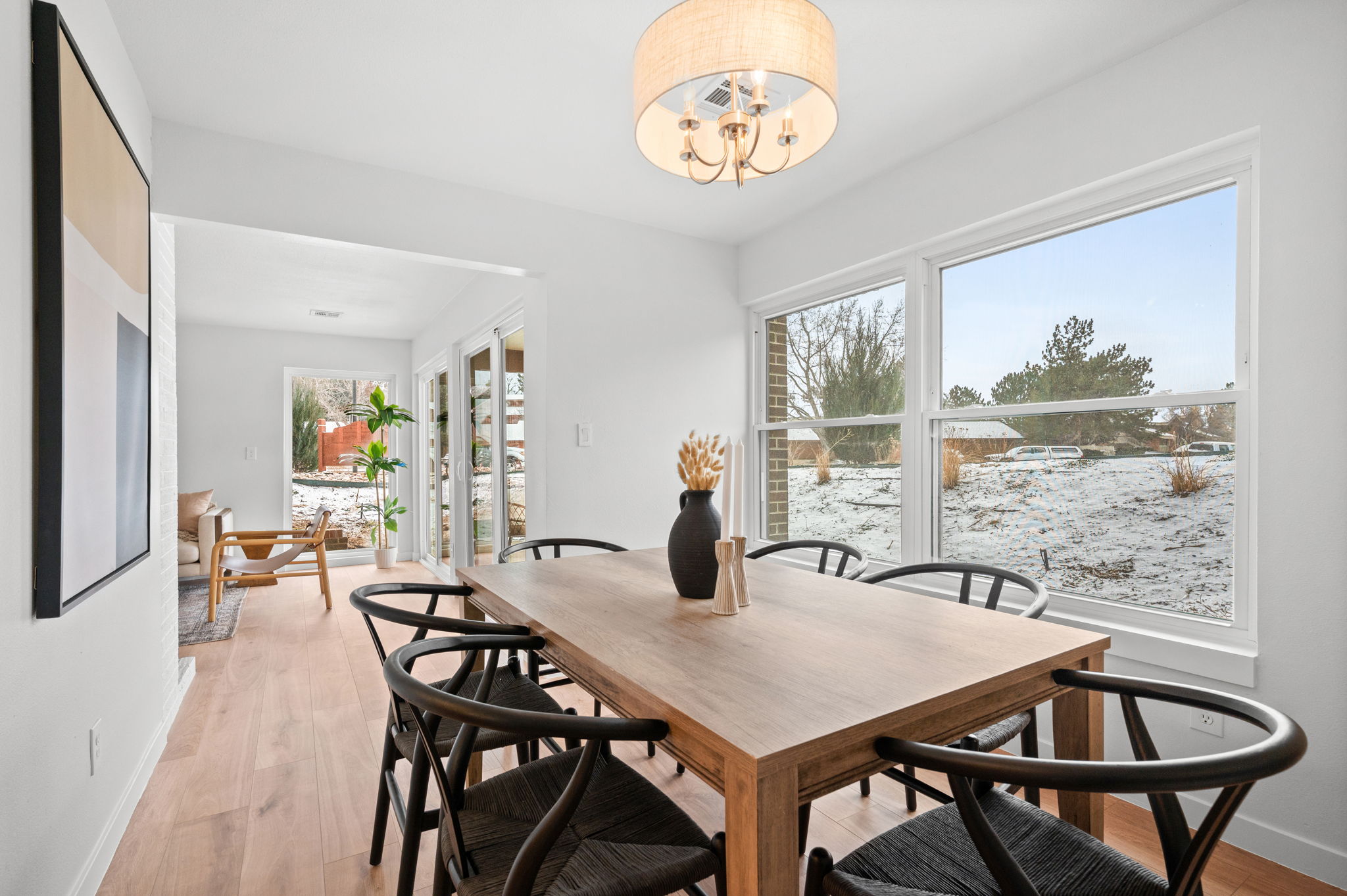
The cold, sterile all-white interior is finally done. In 2025, buyers want warmth -- but they still want simplicity. The look is clean lines, uncluttered spaces, and a warm, earthy color palette. Think creamy whites instead of blue-whites, walnut and oak instead of white lacquer, and textured linens instead of sleek synthetics.
This trend has been building for several years, but 2025 is the year it has fully arrived in every market we serve. In our staging projects, warm minimalism consistently generates the strongest buyer response because it feels simultaneously modern and inviting. It appeals to millennials and Gen X buyers alike, which makes it the safest bet for most listings.
2. Organic and natural materials
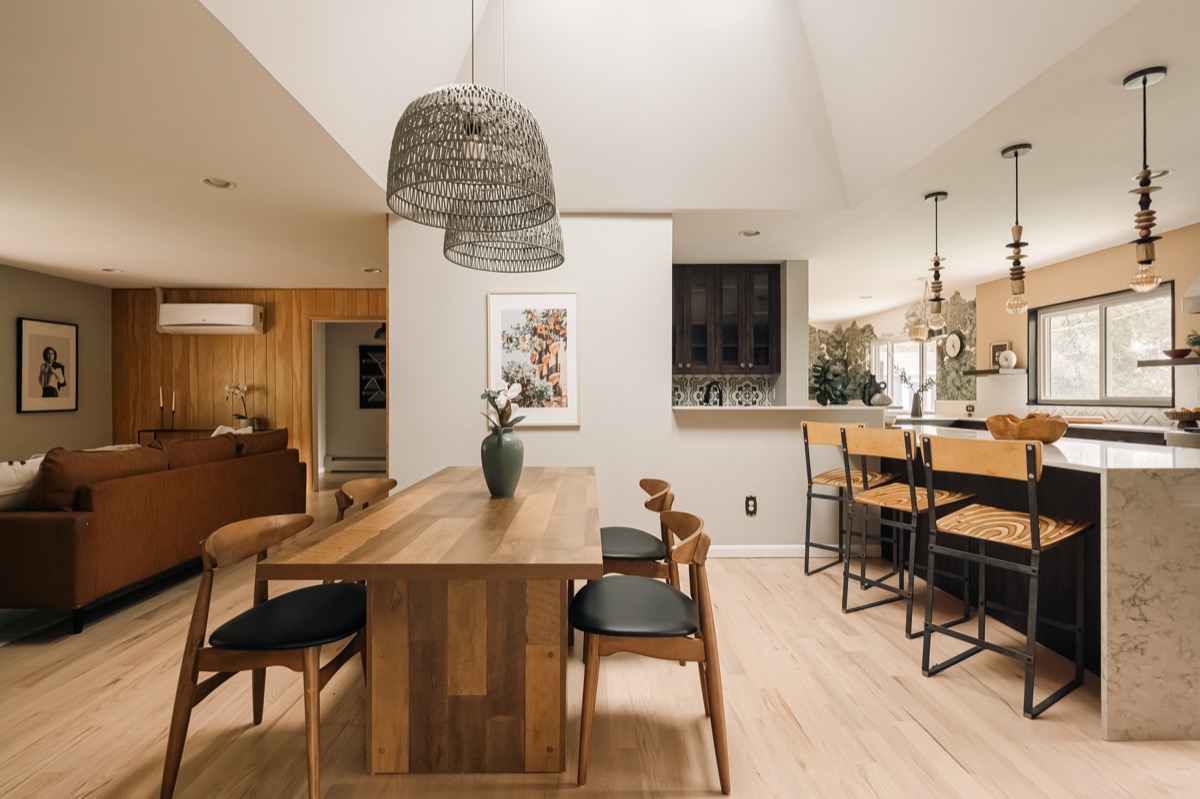
Buyers in 2025 are drawn to materials that feel real. Stone, wood, jute, linen, concrete, and ceramics -- anything that has texture and authenticity. This is a reaction to decades of mass-produced furniture and faux finishes. People want to touch things that feel genuine.
In staging, this means incorporating natural-fiber rugs, ceramic vases, wooden bowls, and stone accessories. In our San Diego and LA projects, we lean into coastal naturals -- bleached woods, raw linen, and sandy tones. In Denver and Boulder, we use richer woods, leather accents, and earthy ceramics that reflect the mountain lifestyle. The material palette shifts by market, but the principle is the same: real beats synthetic.
The most effective design for selling a home is not the most trendy. It is the most broadly appealing -- and in 2025, that means warm, natural, and uncluttered.
3. Dedicated functional spaces
The pandemic permanently changed how buyers use their homes, and in 2025, the demand for clearly defined functional spaces has never been higher. Buyers want to see:
- A real home office -- not a desk crammed into a bedroom corner, but a space that says "I can be productive here."
- A mudroom or drop zone -- a transition space between outside and inside with hooks, storage, and a bench.
- A wellness space -- whether it is a yoga corner, a reading nook, or a meditation area, buyers want to see that the home supports their wellbeing.
- Flexible entertaining spaces -- indoor-outdoor flow, oversized kitchen islands, and living areas that work for both family movie nights and dinner parties.
When we style homes with existing furniture, defining these functional zones is one of the highest-impact changes we make. Learn more in our guide on how to style a home with existing furniture.
4. Muted, earthy color palettes
The color story of 2025 is grounded and calm. Warm whites, sage greens, terracotta, clay, mushroom, and slate blue are dominating the listings that sell fastest. These colors work because they create a sense of tranquility and connection to nature -- two things buyers crave in an increasingly hectic world.
5. Curved and organic furniture shapes
Straight lines and sharp angles are giving way to soft curves in 2025. Curved sofas, round dining tables, arched mirrors, and oval coffee tables are dominating design catalogs -- and buyers are responding. The psychology is straightforward: curves feel welcoming and safe, while sharp angles can feel aggressive and cold.
In our staging inventory, we have significantly increased our curved-furniture selections this year. The difference in buyer reaction between a rectangular coffee table and an organic-shaped one in the same room is noticeable and consistent across markets.
Trends that turn buyers off in 2025
1. All-gray everything
The gray trend that dominated 2016 to 2021 is officially a liability. Gray walls, gray floors, gray cabinets, gray countertops -- when buyers see all-gray interiors in 2025, they mentally calculate the cost of undoing it. Gray reads as cold, dated, and impersonal.
If you are prepping a listing with gray interiors, you do not necessarily need to repaint everything. But warming up the space with caramel, cream, and wood-toned accessories can counteract the coldness. Our Expert Design Advice team can provide specific recommendations for balancing existing gray with warm accents.
2. Farmhouse and shiplap
If the home has permanent farmhouse elements (a barn door, shiplap accent wall), they are fine as architectural details. But the accessories and styling should move firmly away from farmhouse and toward the warm minimalism that buyers actually want.
3. Over-the-top maximalism
While design media is celebrating maximalism -- bold patterns, clashing colors, rooms packed with personality -- this aesthetic is extremely polarizing when it comes to selling a home. A maximalist interior photographs well for Instagram but can overwhelm buyers during an in-person showing.
The rule for listings: if the design choice would make a great magazine feature, it is probably too strong for the broadest buyer appeal. Personality should be present but restrained. A single statement piece in an otherwise calm room works beautifully. An entire home full of statement pieces creates sensory overload.
4. Stark white kitchens with no warmth
The all-white kitchen -- white cabinets, white counters, white backsplash, white everything -- is losing favor. Buyers in 2025 want kitchens that feel warm and inviting, not clinical. Two-tone cabinets (white uppers with a warm-toned lower), natural wood islands, and warm-toned countertops like butcher block or warm quartz are what we see generating the most enthusiasm.
For sellers with existing white kitchens, warmth can be added through styling: wooden cutting boards, warm-toned pottery, brass or gold hardware, and woven pendant lights. These small changes soften the starkness without any renovation.
5. Themed rooms
Sports-themed bedrooms, wine-themed kitchens, beach-themed bathrooms, and movie-themed basements tell buyers that the space is limited to one purpose. Worse, they make the buyer feel like they are in someone else's home. Every themed room is a room that a buyer mentally flags as "I will need to redo this."
When styling a home with themed rooms, the goal is to de-theme without stripping all personality. Remove the theme-specific items, neutralize the palette, and let the room suggest versatility. A child's bedroom does not need to be a blank box -- a few age-appropriate books and a simple bedspread can show the room's purpose without locking it into a character or color scheme.
The safest design strategy for selling is not "trendy" -- it is "timeless with contemporary touches." Give buyers a foundation they can build on, not a vision they need to dismantle.
How to apply these trends to your next listing
You do not need to renovate to align with 2025 buyer preferences. The most effective approach is to work with what you have and make strategic adjustments:
- Audit the palette. If the home skews cold (gray, stark white, or cool blue), add warmth through textiles, wood accents, and warm-toned accessories.
- Edit the accessories. Remove anything that feels themed, dated, or overly personal. Replace with simple, natural-material pieces.
- Define the spaces. Make sure every room has a clear, current-lifestyle purpose. Show the office, the wellness corner, the entertaining zone.
- Incorporate texture. Swap smooth, synthetic items for textured, natural ones. Linen pillows, ceramic bowls, woven baskets, and wooden trays.
- Introduce curves. Even one curved element -- a round mirror, an arched doorway styled with a cascading plant, an oval tray -- softens a room's energy.
For listings where the stakes are high, our in-person styling service brings a trained eye to every room, ensuring each space reflects what 2025 buyers are actually looking for. For vacant homes that need to be fully furnished, our staging designs are updated seasonally to reflect current buyer preferences.
See our Carlsbad staging project for a real-world example of how trend-aware staging directly impacted buyer interest and sale price, or explore our Manhattan Boulevard case study for a Boulder perspective.
Ready to get started? Get your free Smart Quote and find out exactly what your listing needs to attract today's buyers.