
The kitchen sells the home
Yet the kitchen is also the room that sellers most often under-prepare. Daily use creates a level of wear and visual clutter that homeowners stop noticing. The coffee-stained grout, the cluttered countertops, the cabinet with the sticky hinge: these are invisible to the seller but glaring to a buyer who is spending twenty minutes evaluating whether this home is worth hundreds of thousands of dollars.
This checklist covers everything agents and sellers need to address to ensure the kitchen makes the strongest possible impression, from repairs and deep cleaning to staging and styling.
Buyers do not just look at the kitchen. They inspect it. Every surface, every cabinet, every fixture is being evaluated, and first impressions happen in seconds.
Phase 1: Fix what is broken
Before you clean or stage, address anything that is visibly broken or dysfunctional. Buyers interpret broken items as a sign of deferred maintenance, which makes them wonder what else is wrong behind the walls.
Fixtures and hardware
- Faucet: Fix any drips or leaks. If the faucet is dated or stained beyond cleaning, replacing it with a modern option ($100-$250) is one of the highest-ROI kitchen upgrades.
- Cabinet hardware: Tighten all loose knobs and pulls. If hardware is mismatched, outdated, or missing pieces, replace the entire set. New cabinet hardware costs $2-$8 per piece and takes an hour to install across the whole kitchen.
- Drawer slides: Drawers that stick, sag, or do not close fully signal neglect. Replace damaged drawer slides, which are inexpensive and straightforward to install.
- Light fixtures: Replace any burned-out bulbs. If the overhead fixture or under-cabinet lighting is dated, a modern replacement can transform the room's feel for under $200.
Surfaces
- Countertops: Address any chips, cracks, or stains. For laminate counters with significant damage, consider whether a replacement adds enough value to justify the cost. For granite or quartz, a professional polish can remove minor scratches and restore the factory finish.
- Backsplash: Repair cracked or missing tiles. Re-grout if the grout is discolored or crumbling. If there is no backsplash and the wall behind the stove is stained, even a simple peel-and-stick tile backsplash can dramatically improve the look.
- Cabinet faces: Touch up any scratches, chips, or peeling paint. For painted cabinets, a fresh coat of paint (typically white, soft grey, or the existing color) is a relatively low-cost way to make the kitchen look new. For stained wood cabinets, clean and polish with a quality wood conditioner.
Appliances
- Ensure everything works: Run the dishwasher, test all burners, check the oven, run the garbage disposal, and verify the refrigerator temperature. Buyers will test these during showings.
- Address cosmetic issues: Scratched stainless steel can be improved with a stainless steel scratch remover. A discolored dishwasher front can be cleaned with a melamine sponge. Rust spots on an oven should be cleaned and touched up with appliance paint.
- Consider the age signal: If appliances are clean and functional but visibly dated (avocado green, black-on-black from the 1990s), they will not necessarily kill a sale, but they will be a negotiation point. Your agent and design advisor can help determine whether replacement makes financial sense for your specific listing.
Phase 2: Deep clean everything
Once repairs are complete, the kitchen needs a thorough deep clean that goes beyond normal weekly cleaning. Buyers open cabinets, peer behind appliances, and run their hands along surfaces. The kitchen must be spotless.
The deep-clean checklist
- Degrease the range hood and exhaust fan: Built-up grease on the range hood is one of the most common and most off-putting kitchen issues. Use a degreaser and remove the filter to soak in hot soapy water.
- Clean inside the oven: Run the self-clean cycle or use a heavy-duty oven cleaner. A dirty oven tells buyers the home was not well maintained.
- Scrub the sink: Remove any stains, lime deposits, or discoloration. For stainless steel sinks, use Bar Keepers Friend or a baking soda paste. For porcelain sinks, use a non-abrasive cleanser and bleach for stains.
- Clean and polish all countertops: Remove everything from the counters and clean the entire surface, including the edges and backsplash seam.
- Wipe down all cabinet fronts and interiors: Buyers open cabinets. Clean the exterior faces, interior shelves, and cabinet edges. Remove any shelf liner that is stained or peeling.
- Clean the refrigerator inside and out: Remove all magnets, photos, and papers from the exterior. Clean the interior shelves and drawers. A clean, organized refrigerator signals a well-maintained home.
- Scrub the grout: Discolored grout on floors or backsplashes makes the entire kitchen look dirty. Use a grout cleaner and brush, or consider professional grout cleaning and sealing for severe discoloration.
- Clean the dishwasher: Run a cleaning cycle with a dishwasher cleaner. Wipe the interior door panel and the rubber gasket where food debris accumulates.
- Wash the windows: Clean kitchen windows inside and out to maximize natural light. This is especially important in winter when light is at a premium, as discussed in our winter staging guide.
- Clean light fixtures: Remove glass covers from overhead lights and wash them. Grease film on kitchen light fixtures is common and dims the light output significantly.
Phase 3: Declutter ruthlessly
The kitchen is the most-used room in the home, and it accumulates the most clutter. For listing preparation, the goal is to remove at least 50% of what is currently on the countertops and open shelves.
Countertops
The rule is simple: remove everything except a maximum of three curated items. A kitchen with clear countertops looks larger, cleaner, and more modern. Pack away the toaster, the knife block, the coffee maker, the paper towel holder, the fruit bowl, the salt and pepper grinders, and every other daily-use item. Yes, it is inconvenient for the seller. Yes, it is essential for the sale.
The three items to keep might include a high-end cutting board leaned against the backsplash, a beautiful bowl of fresh citrus, and a small potted herb. That is it. Everything else goes into a cabinet or a packing box.
Inside cabinets and drawers
Buyers open cabinets. When they see packed, overflowing shelves, they think "not enough storage." When they see organized, half-full shelves, they think "plenty of room." Pack away infrequently used items, mismatched dishes, and duplicate gadgets. Organize what remains in neat, grouped arrangements.
The refrigerator
The exterior of the refrigerator should be completely bare. No magnets, no photos, no children's artwork, no grocery lists. The interior should be clean and organized with minimal items. Think of it as staging the refrigerator the way you would stage a closet.
The pantry
If the kitchen has a pantry, apply the same principles. Remove at least half the items. Organize what remains on the shelves with labels facing forward. A well-organized pantry is a selling feature. A chaotic one is a negative.
The less a buyer sees on the countertops, the more they see the kitchen itself: the countertops, the cabinetry, the layout, the potential.
Phase 4: Stage and style
With repairs complete, the space deep-cleaned, and the clutter removed, the kitchen is ready for its finishing touches. Staging and styling turn a clean kitchen into an aspirational one.
Countertop styling
- Fresh flowers or greenery: A small arrangement of fresh flowers or a potted herb garden (rosemary, basil, or thyme) adds life and color. Place it on the island or near the sink.
- Quality cutting board: A beautiful wood cutting board leaned against the backsplash provides warmth and suggests a lifestyle of cooking and entertaining.
- Curated cookbook: One or two high-end cookbooks stacked neatly on the counter add personality without clutter. Choose ones with beautiful covers that complement the kitchen's color palette.
- Bowl of fresh produce: Lemons, limes, green apples, or artichokes in a simple ceramic bowl add a pop of color and a sense of abundance.
Textiles
- New dish towels: Replace any used or stained towels with crisp, new ones in a neutral or complementary color. Fold or hang them neatly.
- Rug or runner: A clean, modern runner in front of the sink adds visual warmth and defines the workspace. Choose a washable option in a neutral tone.
Open shelving
If the kitchen has open shelving, style it as though it were a retail display. Use a coordinated set of dishes or glassware. Add one or two small accessories, such as a vase or a small framed print. Leave space between items so each piece can breathe. The worst thing you can do with open shelving is fill it to capacity.
The breakfast nook or eat-in area
If the kitchen includes a dining area, stage it for function and aspiration. A simple table setting for two or four, with cloth napkins, placemats, and a small centerpiece, helps buyers envision morning coffee and family dinners. Avoid a full formal table setting, which feels over-staged. Keep it casual and inviting.
Phase 5: Final walkthrough
Before listing photos and before every showing, run through this final checklist.
- All lights are on, including under-cabinet lighting
- Countertops are clear except for three staged items
- Sink is empty, clean, and dry
- Stove top is clean with no pots or pans
- Dish towels are fresh and neatly hung
- No dishes in the drying rack
- Trash can is empty and hidden or replaced with a clean liner
- No pet bowls or feeding station visible
- Fresh flowers or greenery are in place and not wilted
- The space smells clean and neutral, not like last night's dinner
For professional help with any phase of kitchen preparation, Guest House's in-person styling service can handle the decluttering, styling, and optimization on your behalf. For vacant homes where the kitchen needs furnishing and accessories, full-service staging will bring in everything from a dining table to styled countertop vignettes.
When to invest more: kitchen upgrades that pay off
In some cases, the kitchen needs more than cleaning and staging. Here are the upgrades that consistently deliver the best return on investment according to data from Guest House markets.
- New cabinet hardware ($150-$400): One of the cheapest and most impactful upgrades you can make. Brushed brass, matte black, or polished nickel hardware can modernize an entire kitchen.
- Faucet replacement ($100-$250): A new faucet in a modern finish instantly upgrades the look of the sink area.
- Cabinet painting ($2,000-$5,000 professional): If cabinets are dated but structurally sound, painting them white, soft grey, or a modern tone can deliver a 3-5x return.
- New light fixtures ($100-$500): Modern pendant lights over an island or a new overhead fixture can transform the kitchen's ambiance.
- Grout refresh ($200-$500): Professional grout cleaning and resealing makes tile floors and backsplashes look new.
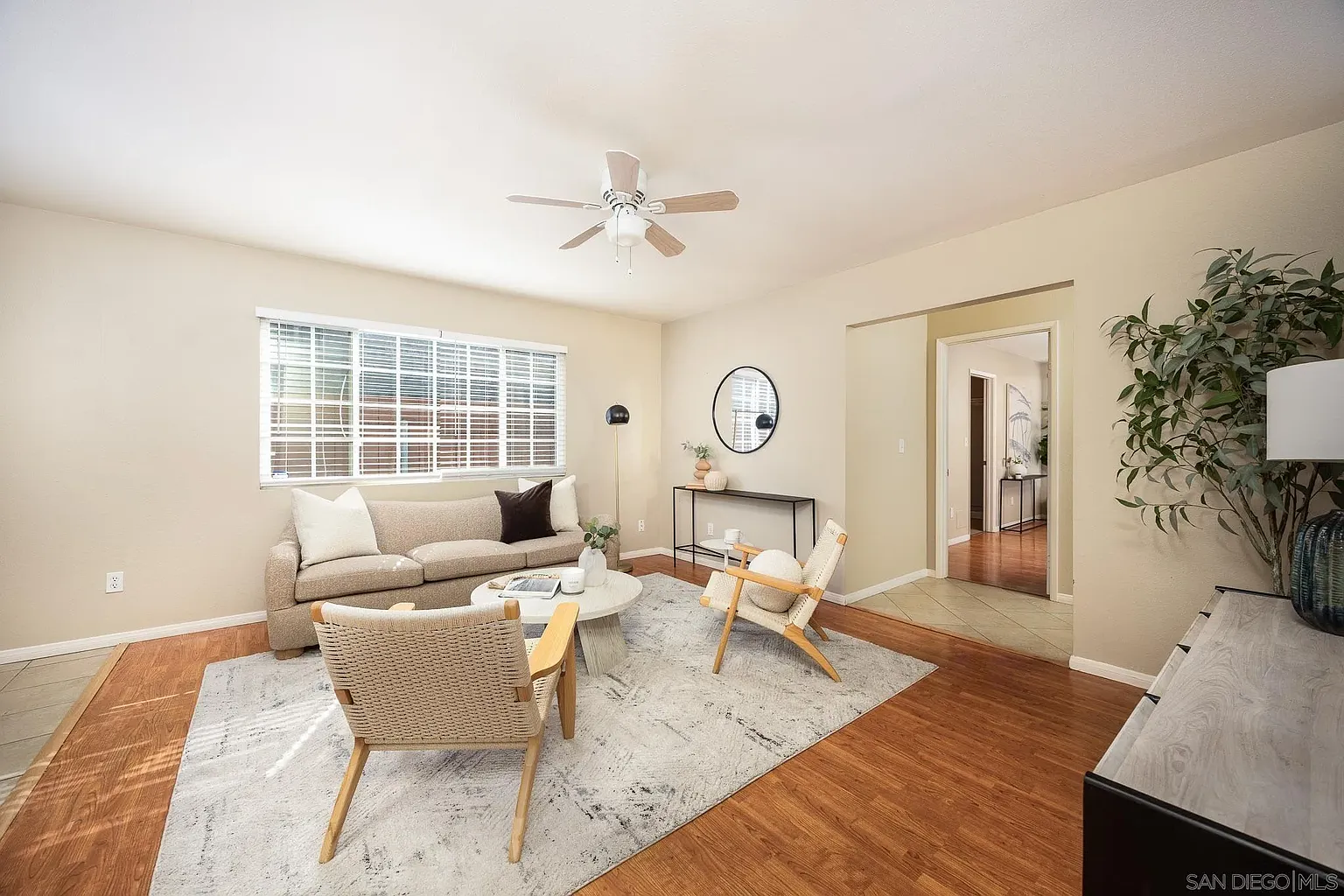
The 836 Carlsbad case study is a good example of how targeted kitchen improvements, combined with professional staging, elevated a listing in the San Diego market. The 3640 Lipan project in Denver similarly shows how kitchen presentation contributes to the overall staging impact.
The bottom line
Preparing a kitchen for sale is a systematic process: fix, clean, declutter, stage, and verify. Each phase builds on the previous one, and skipping steps shows. The agents and sellers who follow this checklist thoroughly will present a kitchen that photographs beautifully, shows impeccably, and gives buyers the confidence to make a strong offer.
Not sure where to start with your specific kitchen? Get a free quote from Guest House or schedule a design consultation for personalized recommendations tailored to your property and market.