
Why winter showings require a different staging approach
Agents who understand how to adjust their staging strategy for winter showings consistently outperform those who use a one-size-fits-all approach. The principles of great staging do not change, but the execution shifts to compensate for the season's challenges.
Winter staging is about creating warmth and light where the season takes them away. Every design choice should make the buyer want to stay, not leave.
Lighting: the most important winter adjustment
In summer, a well-placed window provides beautiful natural light for showings. In December or January, that same window may let in flat, grey light or, if the showing is after 4 PM, near-darkness. Lighting is the single most impactful change you can make for winter staging.
Maximize artificial warmth
- Replace cool-toned bulbs with warm white: Every fixture in the home should use bulbs in the 2700K-3000K range. This mimics the golden, inviting quality of natural sunlight and makes rooms feel cozy rather than clinical.
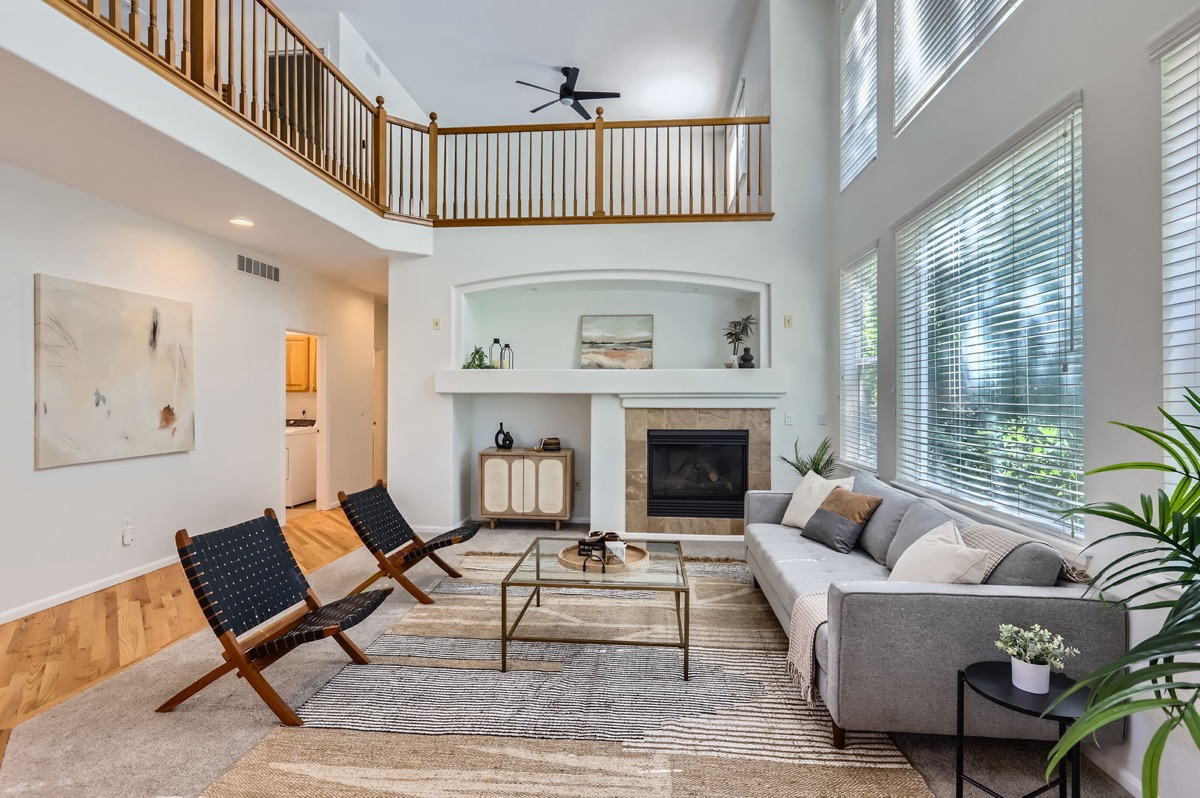
- Layer your lighting: Do not rely on overhead fixtures alone. Add table lamps, floor lamps, and even battery-operated LED candles to create depth and softness. A living room with three light sources at different heights feels dramatically warmer than one with a single ceiling light.
- Illuminate dark corners: Winter light does not reach the back of rooms the way summer light does. Place a lamp or uplighter in any corner that falls into shadow during typical showing hours.
- Turn on every light before showings: This seems obvious, but it is often overlooked. Every light in the home should be on when buyers arrive, including closets, pantries, and the garage.
Schedule showings strategically
When possible, advise sellers to schedule showings during peak daylight hours. In Denver, that means between 10 AM and 2 PM from November through February. In San Diego and LA, the window is more generous, but morning light is still preferable to late afternoon.
Textures and textiles: creating sensory warmth
In summer staging, the aesthetic tends toward light, airy, and minimal. Winter demands the opposite: layers, richness, and tactile comfort. The goal is to make buyers feel physically warm and emotionally at home.
Textiles to incorporate
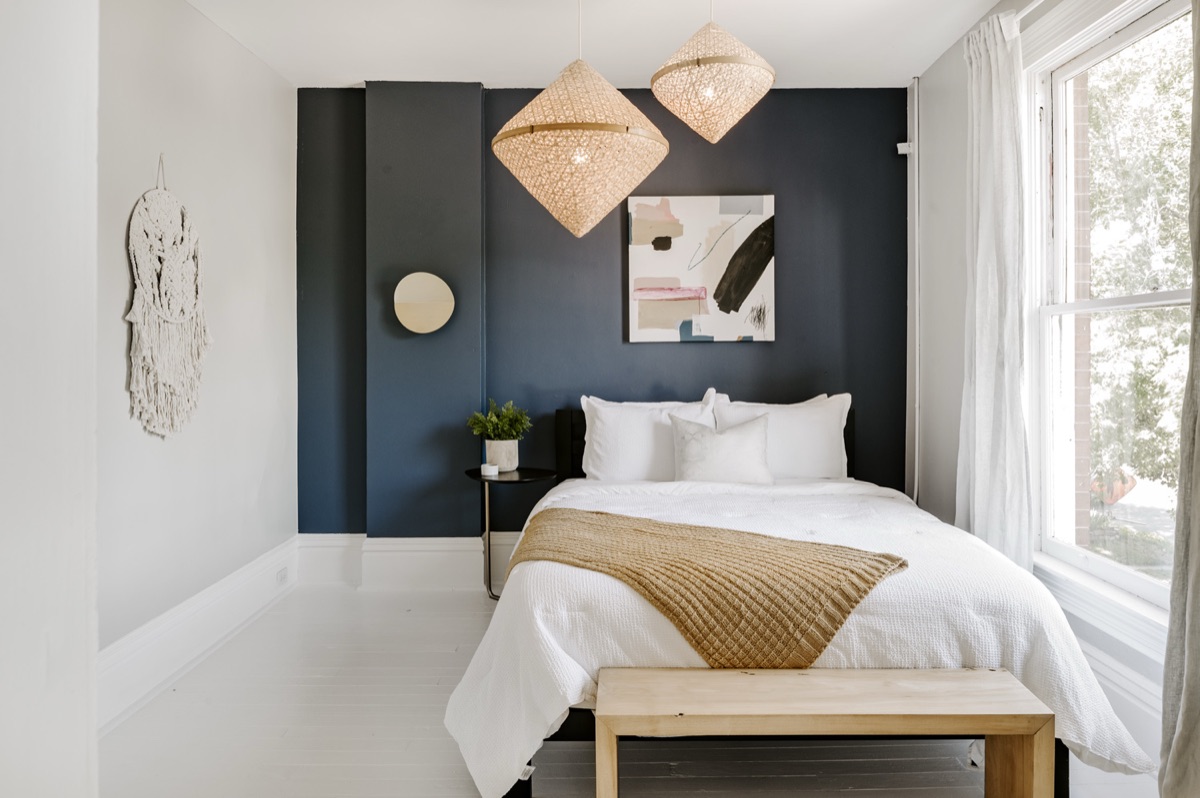
- Throw blankets: Drape a chunky knit or faux-fur throw over the arm of a sofa or the foot of a bed. It signals comfort and invites touch.
- Pillows in seasonal tones: Swap out bright summer pillows for deeper, warmer tones: burnt amber, forest green, deep burgundy, chocolate brown, or warm grey. Avoid anything that looks holiday-specific like red and green plaid.
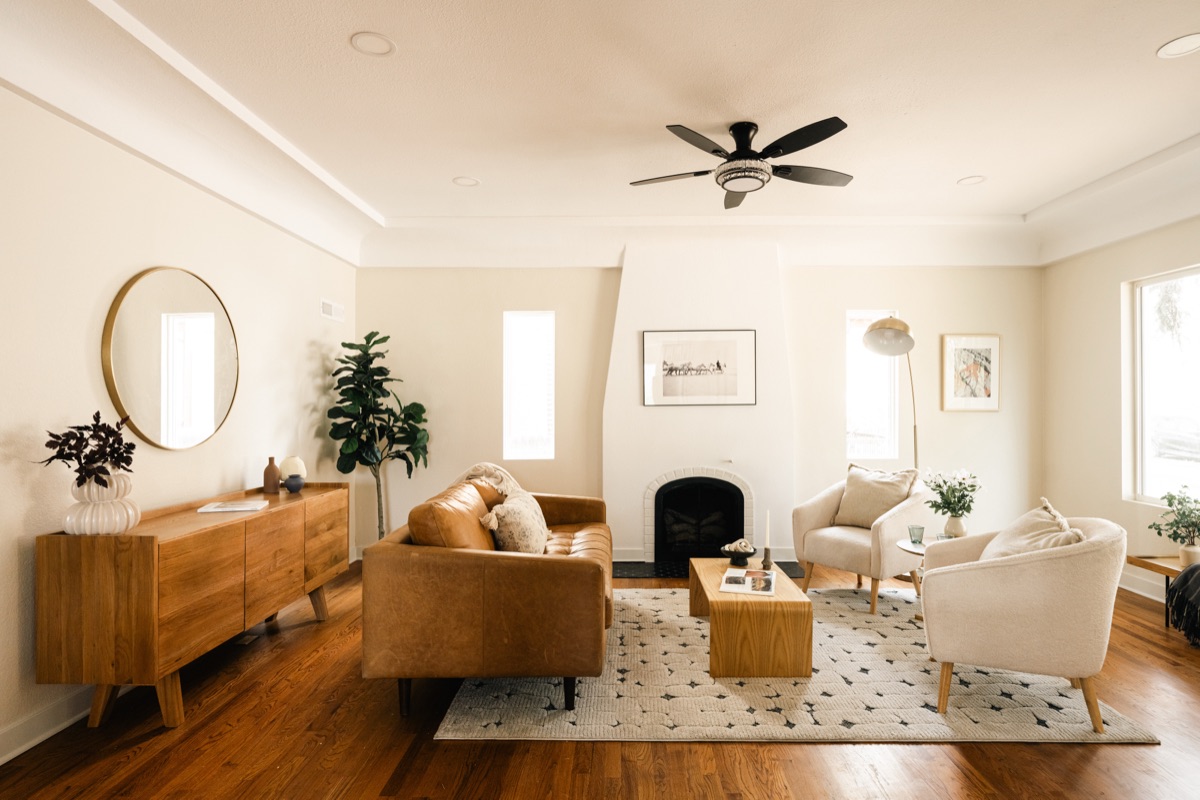
- Area rugs: If the home has hard floors, area rugs are essential in winter. They add visual warmth and literally warm the space underfoot. Choose neutral tones with texture like wool or jute.
- Heavier curtains: Sheer curtains that worked in summer may make a room feel cold in winter. Consider swapping for lined panels in a warm neutral that frame the window without blocking light.
The layering principle
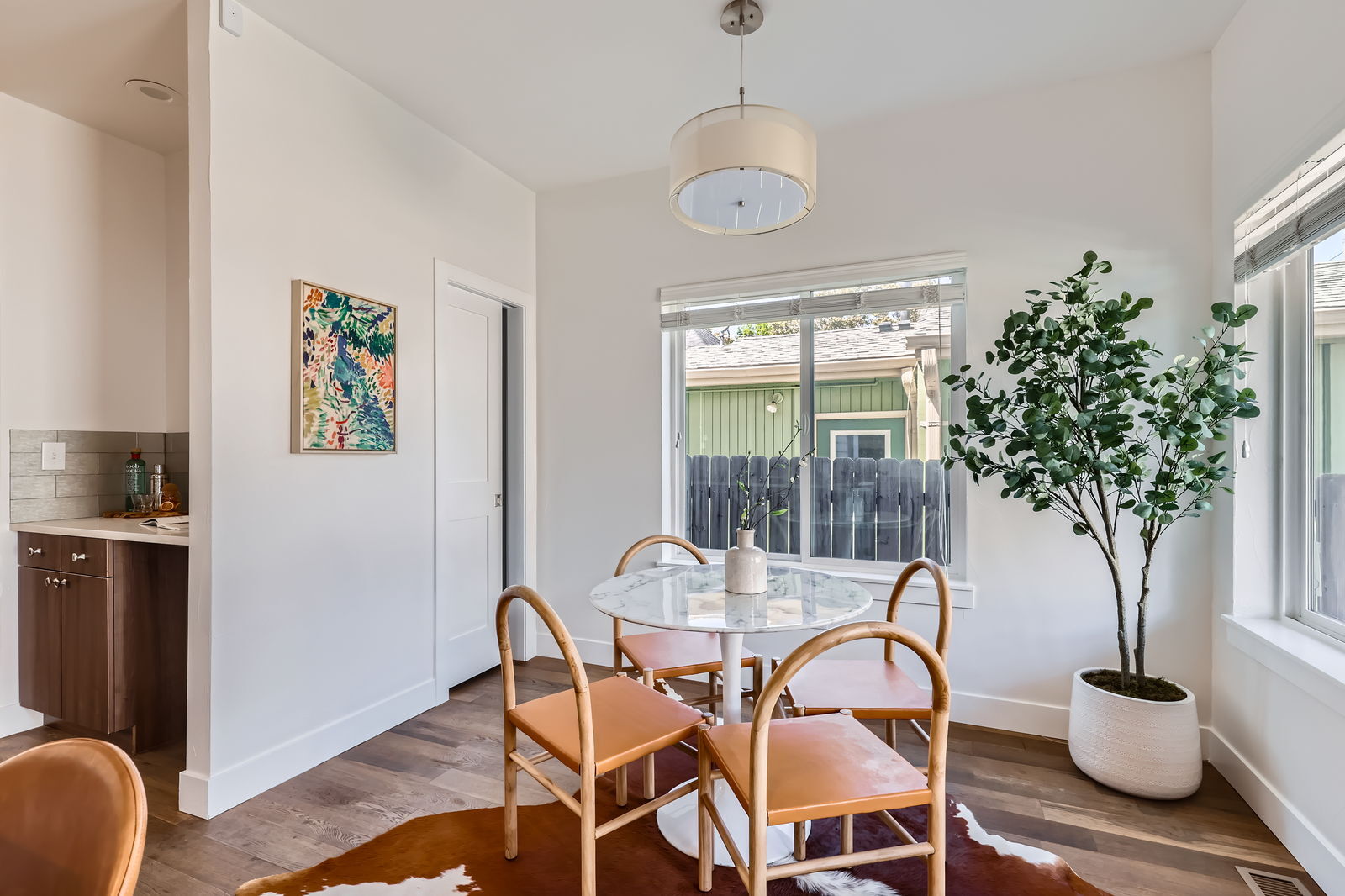
Winter staging follows what designers call the "layering principle." Start with a neutral foundation (walls, large furniture, flooring) and add warmth through layers: rugs over floors, throws over furniture, pillows on sofas, and accessories on surfaces. Each layer adds visual and sensory richness without cluttering the space. In-person styling from Guest House is specifically designed to execute this kind of thoughtful layering.
Curb appeal in winter: first impressions still matter
A snow-covered lawn or a dormant desert landscape does not provide the lush curb appeal that spring listings enjoy. But buyers still form their first impression from the curb, so winter curb appeal requires deliberate effort.
Cold-climate markets (Denver, Boulder)
- Clear all walkways and driveways: Nothing says "neglected" like an unshoveled path. Ensure all approaches are clear and safe.
- Add a quality doormat: A fresh, oversized doormat at the front entry provides a welcoming transition and keeps snow and salt out of the home.
- Potted evergreens: Flank the front door with potted evergreens or winter-hardy planters. They provide a pop of life and color against a dormant landscape.
- Exterior lighting: With shorter days, exterior lighting becomes functional, not just decorative. Ensure porch lights, pathway lights, and any landscape lighting are working and on warm-toned bulbs.
- Maintain the landscape: Winter in these markets can still mean green lawns and blooming plants. Keep the landscaping trimmed and watered.
- Power wash hard surfaces: Winter rains in Southern California can leave patios and driveways looking dingy. A quick power wash restores the fresh appearance.
- Add seasonal color: Pansies, cyclamen, and ornamental cabbage thrive in mild winters and provide color at the entry.
Curb appeal is not seasonal. It is a commitment. The approach changes with the weather, but the goal is always the same: make the buyer want to come inside.
The thermostat matters more than you think
This is one of the simplest and most overlooked winter staging tactics. The home's temperature during a showing directly affects how buyers feel about the space.
Set the thermostat to 68-72 degrees Fahrenheit before showings. A warm home feels welcoming and cared for. A cold home feels vacant and uninviting, even if it is beautifully staged. If the home has a fireplace, turn it on. The visual and ambient warmth of a fire is one of the most powerful emotional triggers in winter showings.
Scent: the invisible staging layer
Scent is powerful in every season, but winter offers a unique opportunity to use it strategically. In warmer months, fresh air through open windows provides a pleasant neutral scent. In winter, with windows sealed, the home needs a deliberate scent strategy.
- Do: Use subtle, warm scents like vanilla, cedar, cinnamon, or fresh linen. Avoid anything overpowering or overtly "holiday."
- Do: Simmer water with a few cinnamon sticks, vanilla extract, and orange peels on the stove 30 minutes before a showing for a natural, inviting aroma.
- Do not: Use plug-in air fresheners or heavy synthetic sprays. They can trigger allergies and make buyers suspicious that you are masking a problem.
- Do not: Rely on scented candles that are clearly staged and unburned. They look like a prop. Instead, use the stove-top simmer method or a subtle reed diffuser.
Kitchen and bathroom adjustments for winter
These two rooms deserve special attention in winter staging because they are where buyers instinctively check for signs of care and maintenance.
Kitchen
A bowl of fresh seasonal fruit (apples, pears, citrus) on the counter adds warmth and life. Swap out any summer-themed accessories for warm-toned dish towels and neutral stoneware. For a complete approach to kitchen preparation, see our kitchen prep checklist.
Bathrooms
Roll plush, warm-toned towels and display them neatly. Add a small plant or eucalyptus sprig to the shower. Ensure the bathroom is spotless and warm. A cold bathroom with thin towels feels institutional; a warm one with thick towels feels like a spa.
Photography considerations for winter listings
Listing photos taken in winter require a slightly different approach than summer photography.
- Shoot interiors during peak daylight: Schedule the photography session for mid-morning when natural light is at its best angle.
- Turn on all lights: With shorter days and lower light angles, every artificial light source should be on during the photo shoot to supplement natural light.
- Shoot exteriors on a clear day: Grey skies make any home look dreary. If the forecast shows a sunny day, schedule the exterior shots then, even if it means shooting interiors and exteriors on different days.
- Consider twilight photography: Exterior twilight shots with interior lights glowing through windows create an incredibly inviting image that works beautifully for winter listings.
Putting it all together: a winter staging checklist
Use this checklist to ensure every winter listing is optimized for the season:
- Replace all light bulbs with warm white (2700K-3000K)
- Add lamps to create layered lighting in every room
- Incorporate warm textiles: throws, pillows, rugs
- Set the thermostat to 68-72 degrees before every showing
- Turn on the fireplace if available
- Clear and de-ice all walkways and driveways
- Add potted evergreens or winter-hardy plants to the entry
- Ensure all exterior lighting is working and warm-toned
- Use subtle, natural scent methods
- Schedule showings during peak daylight hours
- Schedule photography for a sunny morning
For a professional assessment of what your winter listing needs, Guest House's expert design advice service provides tailored recommendations. Or if you are ready to move forward with staging, get your free quote to see what full-service staging would look like for your property.
The bottom line
Winter does not have to mean inferior showings. With the right adjustments to lighting, textures, curb appeal, and temperature, a winter listing can feel just as warm and inviting as a spring one. The agents who take the time to adapt their staging approach for the season are the ones whose listings shine when the competition looks cold and empty.