
Every agent has been there
You have done the CMA. You have prepared a beautiful listing presentation. You know that professional staging is the single best investment this seller can make to maximize their sale price and minimize their days on market. And then the seller says: "I do not think we need staging."
The sellers who resist staging the most are often the ones who benefit from it the most. Vacant homes, cluttered homes, and dated homes all transform dramatically with professional staging.
Objection 1: "Staging is too expensive"
This is by far the most common objection, and it is rooted in a misunderstanding of how staging costs compare to the financial consequences of not staging.
How top agents respond
"I completely understand the cost concern. Let me share some numbers that might shift your perspective. The average staging investment for a home at this price point is around $4,000-$7,000. That sounds significant until you compare it to what happens without staging. Homes in our market that sit beyond 30 days typically require a price reduction of 3-5%. On your home, that is $15,000-$25,000. Add in another month of carrying costs, mortgage, taxes, insurance, utilities, and you are looking at an additional $5,000-$7,000. So the real question is not whether you can afford staging. It is whether you can afford not to stage."
For detailed numbers to support this conversation, refer to our analysis of the ROI of staging, which breaks down the math across every price range.
Pro tip: use the Smart Quote
One of the most effective tools for overcoming the cost objection is showing the seller exactly what staging would cost for their specific home. Guest House's Smart Quote tool provides an instant estimate based on the property's details, removing the guesswork and anxiety around pricing.
Objection 2: "Our home is already beautiful. We do not need staging."
This objection is the most delicate because it is personal. The seller is proud of their home, and suggesting it needs staging can feel like a criticism of their taste.
How top agents respond
"Your home is beautiful, and that is going to work in our favor. But staging is not about fixing what is wrong. It is about optimizing for how buyers search and shop today. Ninety-five percent of buyers start their search online, and the first thing they see is your listing photos. Staging ensures every room photographs at its absolute best by creating the kind of visual consistency that makes buyers click, save, and schedule a showing."
For sellers whose homes are already furnished and decorated, in-person styling is often the right recommendation. A professional stylist works with the seller's existing furnishings to optimize the layout, reduce visual clutter, and create a cohesive design story. It is less invasive than full staging and feels more like a collaboration than a critique.
Objection 3: "We are in a seller's market. Homes are flying off the shelves."
This objection was more persuasive in 2021. In 2025, it deserves a more nuanced response.
How top agents respond
"You are right that the market is still favorable for sellers in many ways. But the market has shifted from 2021. Inventory is growing, buyers are more selective, and the homes that are selling quickly are the ones that are fully prepared and beautifully presented. As our spring 2025 market analysis shows, the gap between well-prepared listings and underprepared ones is wider than ever."
"Here is the thing: even in a seller's market, staging does not just help you sell. It helps you sell for more. If two buyers walk through your home and both want to make an offer, the way the home is presented directly influences how aggressively they bid. Staging creates the emotional urgency that drives higher offers."
Objection 4: "We do not have time. We need to list immediately."
Urgency is real. Sellers may be relocating for a job, facing a financial deadline, or simply impatient to move on. Telling them to wait two weeks for staging feels counterproductive.
How top agents respond
"I understand the urgency, and we are going to move quickly. Here is what I have found: taking an extra five to seven days to prepare the home properly before listing almost always results in a faster total timeline. A home that launches beautifully on day one can be under contract in two weeks. A home that launches unprepared on day one often sits for four to six weeks and then needs a price reduction. The five-day delay for staging actually saves you weeks."
Many agents in Denver and San Diego have built a workflow where staging is coordinated during the pre-listing preparation period, simultaneously with cleaning, photography scheduling, and marketing material creation. Guest House can often turn around a staging installation within days of the initial consultation, especially when agents use the Smart Quote tool to start the process early.
Rushing to market without preparation is not fast. It is just early. Speed is measured by how quickly you close, not how quickly you list.
Objection 5: "Can we just use virtual staging instead?"
With the rise of AI tools, this question is becoming more common. Sellers hear that virtual staging costs a fraction of the real thing and wonder why they should pay more.
How top agents respond
"Virtual staging can produce attractive listing photos, and there are situations where it makes sense as a supplement. But here is the limitation: virtual staging only works in the photos. When a buyer walks through the front door, the home is still empty. And that gap between the online experience and the in-person experience is where deals fall apart."
For a deeper comparison, agents can reference our article on AI-generated staging imagery and MLS readiness. The key takeaway for sellers: virtual staging can win the click, but physical staging wins the offer.
Objection 6: "I have seen staged homes that look fake and sterile"
Some sellers have had a bad experience with staging or have seen listings where the staging felt generic and impersonal. This is a legitimate concern and an opportunity to differentiate.
How top agents respond
"You raise a great point, and not all staging is created equal. The kind of staging I recommend is designed specifically for your home's architecture, layout, and target buyer. It is not about dropping generic furniture into rooms. It is about creating a design story that feels intentional, warm, and aspirational."
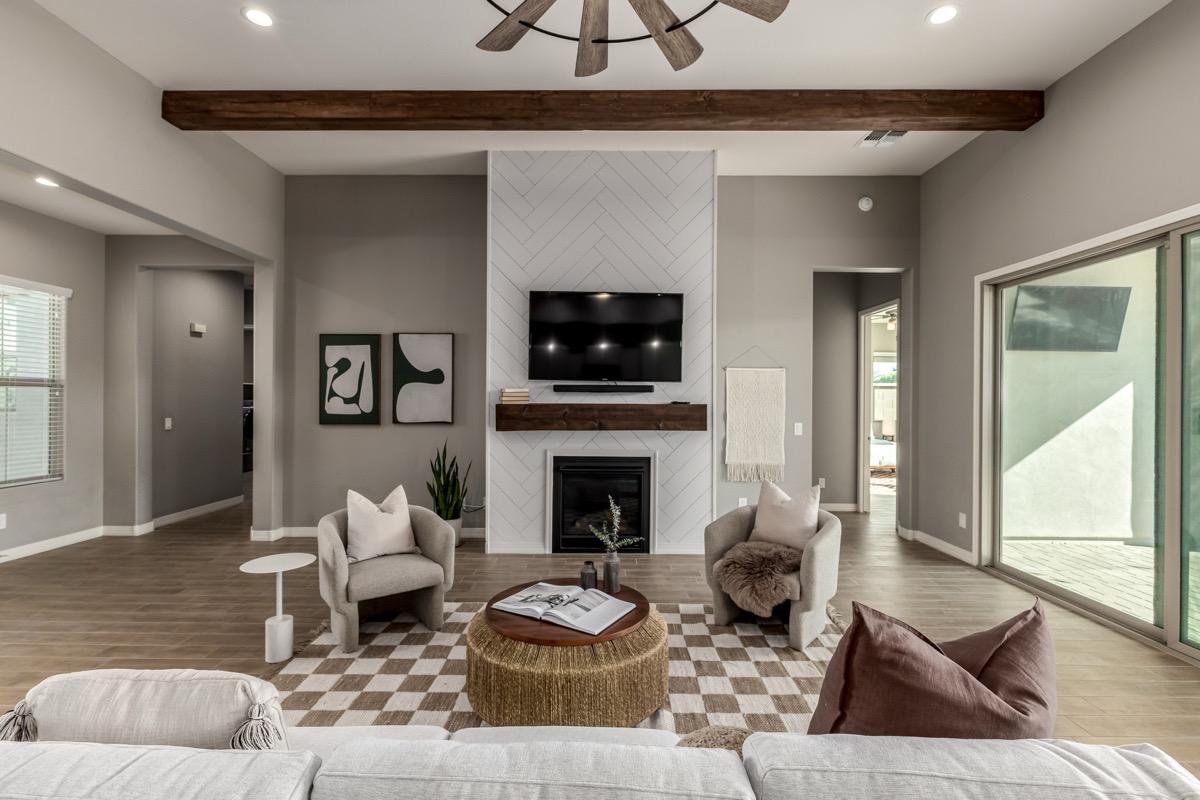
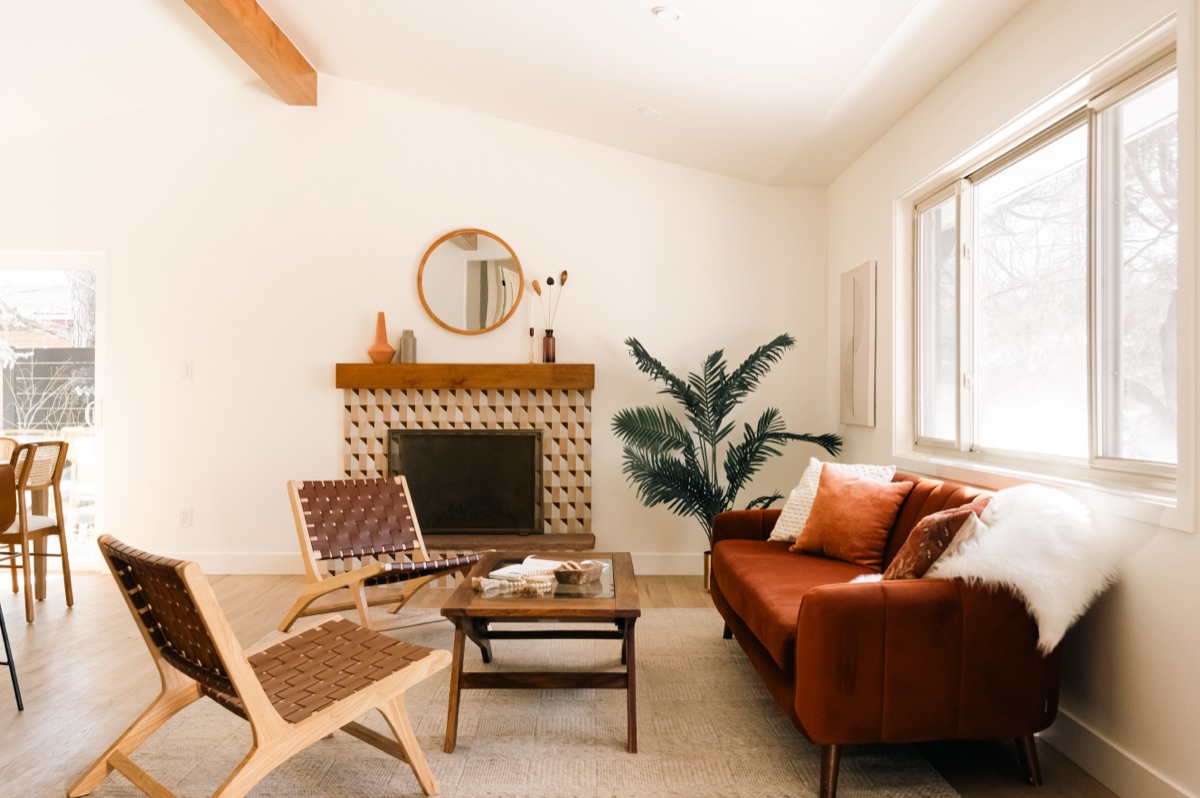
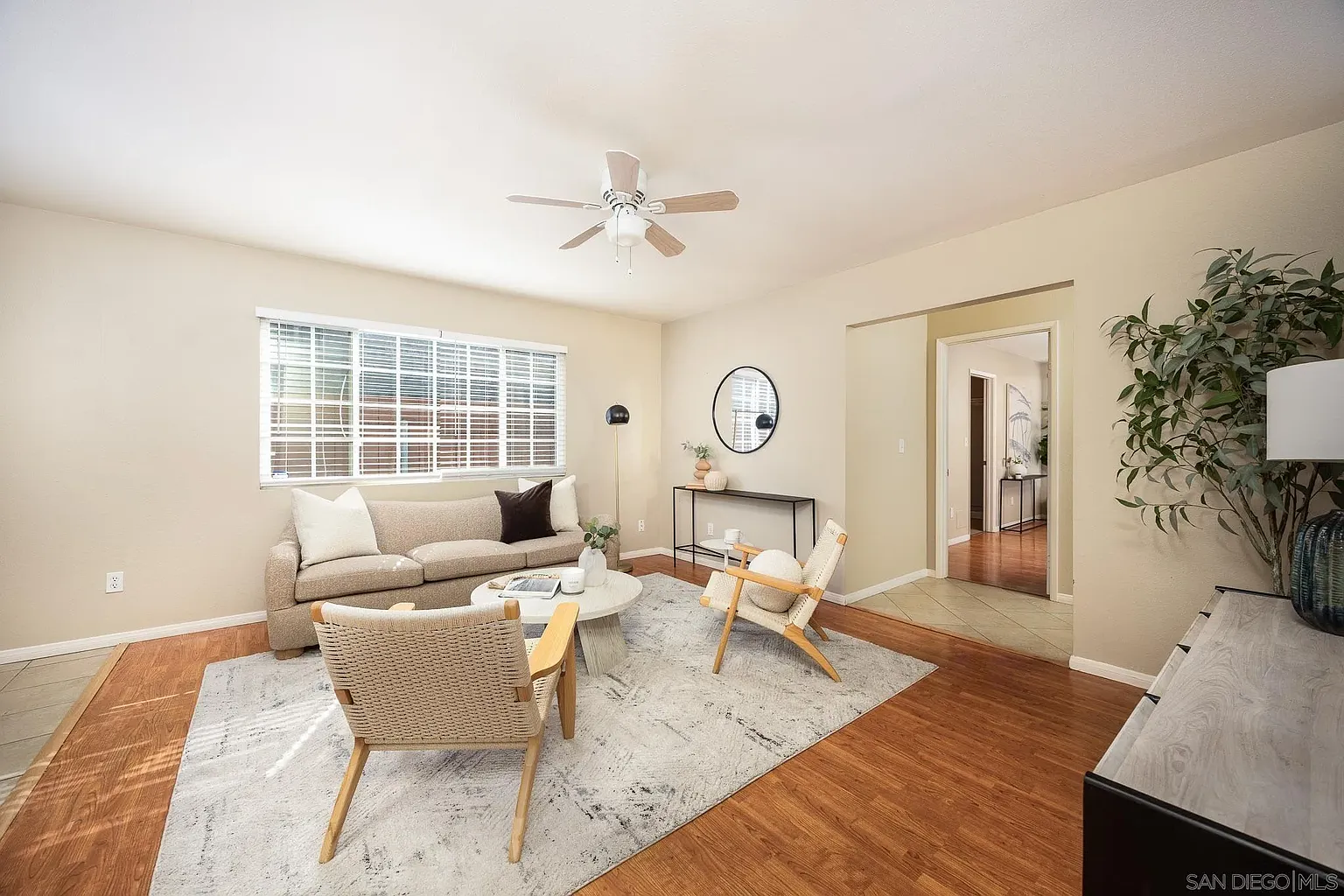
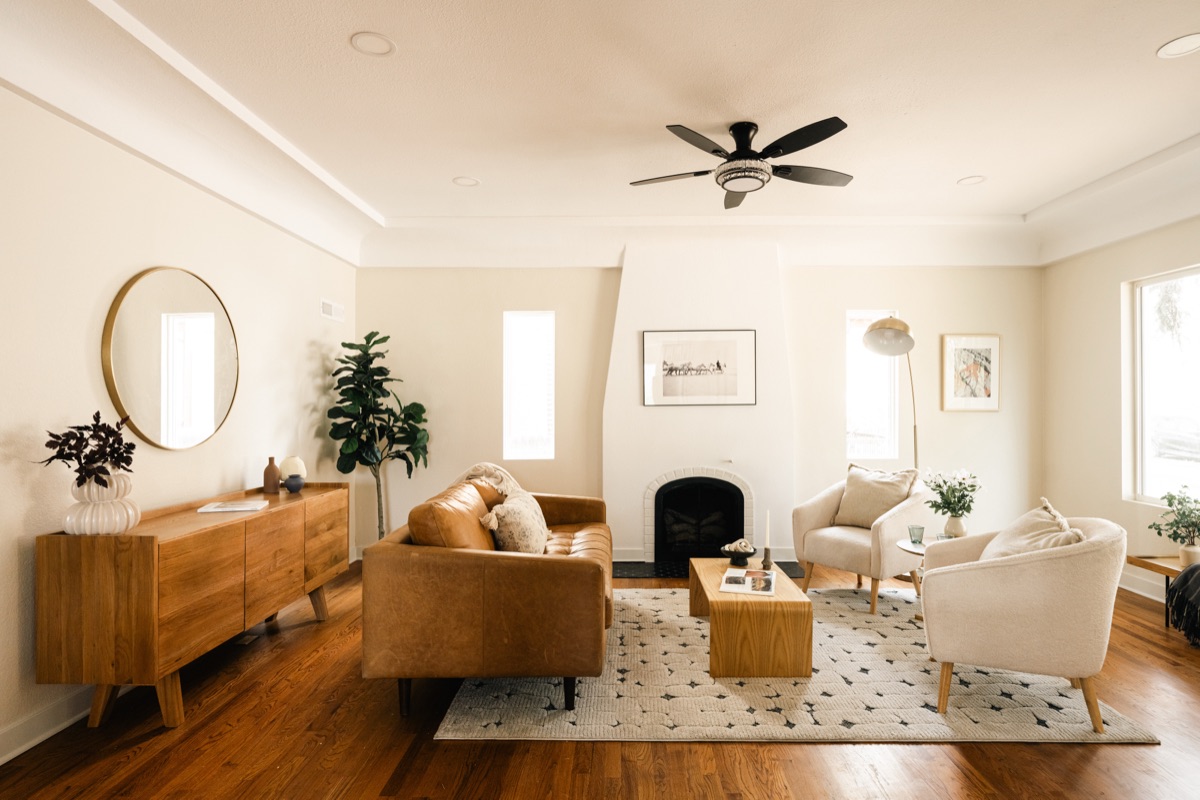
This is where showing examples matters. Share case studies like 836 Carlsbad or 3640 Lipan that demonstrate how thoughtful, property-specific staging elevates a listing without making it feel like a model home.
For sellers who want more control over the aesthetic, expert design advice offers a consultative approach where the professional guides the process while incorporating the seller's preferences.
Objection 7: "My neighbor sold without staging"
Anecdotes are powerful, and sellers will often point to a specific example of a home that sold quickly or for a good price without staging.
How top agents respond
"That is great to hear, and every property is different. What I can tell you is what the data shows across thousands of transactions: staged homes consistently sell for more and faster. Your neighbor may have had a unique set of circumstances, a motivated buyer, less competition, or exceptional timing. But our strategy is not based on hoping for the best. It is based on putting you in the strongest possible position regardless of market conditions."
Then bring it back to the specific property: "Looking at the current competition in your neighborhood, there are [X] active listings right now. [Y] of them are professionally staged. To win in this competitive set, we need your home to stand out, and staging is the most effective way to do that."
The framework for handling any staging objection
Top agents across Guest House markets follow a consistent framework when addressing staging objections:
- Validate the concern. Never dismiss what the seller is feeling. Start with "I understand" or "That is a fair concern."
- Reframe with data. Shift from anecdote to evidence. Use specific numbers from studies, local market data, and case studies.
- Compare the costs. Position staging not as an expense but as an investment, and compare it to the cost of not staging (price reductions, carrying costs, extended DOM).
- Show examples. Visual evidence is the most persuasive tool you have. Show before-and-after photos and case studies from similar properties.
- Make it easy. Remove friction by providing an instant quote, explaining the timeline, and handling logistics. The easier you make it, the more likely the seller is to say yes.
The bottom line
Seller objections to staging are predictable, and the responses are well-established. The agents who succeed in overcoming these objections are the ones who come prepared with data, empathy, and a clear plan. Every objection is an opportunity to demonstrate your expertise and your commitment to getting the seller the best possible outcome.
Arm yourself with the right tools. Get a free staging quote for your next listing so you can walk into the listing appointment with a specific, credible plan that addresses cost concerns before they even arise.