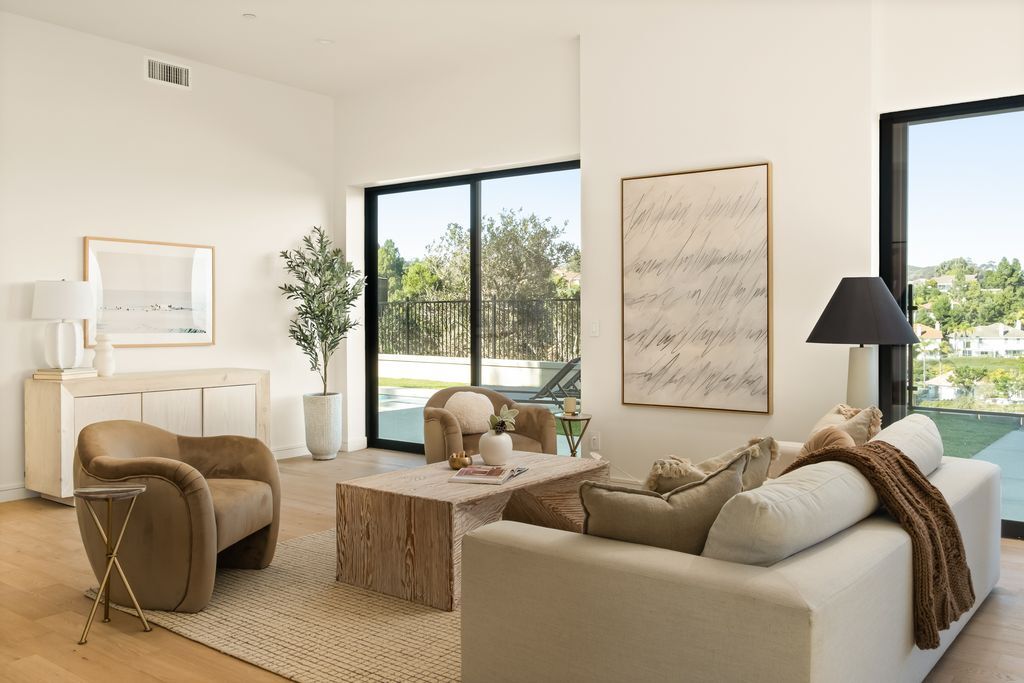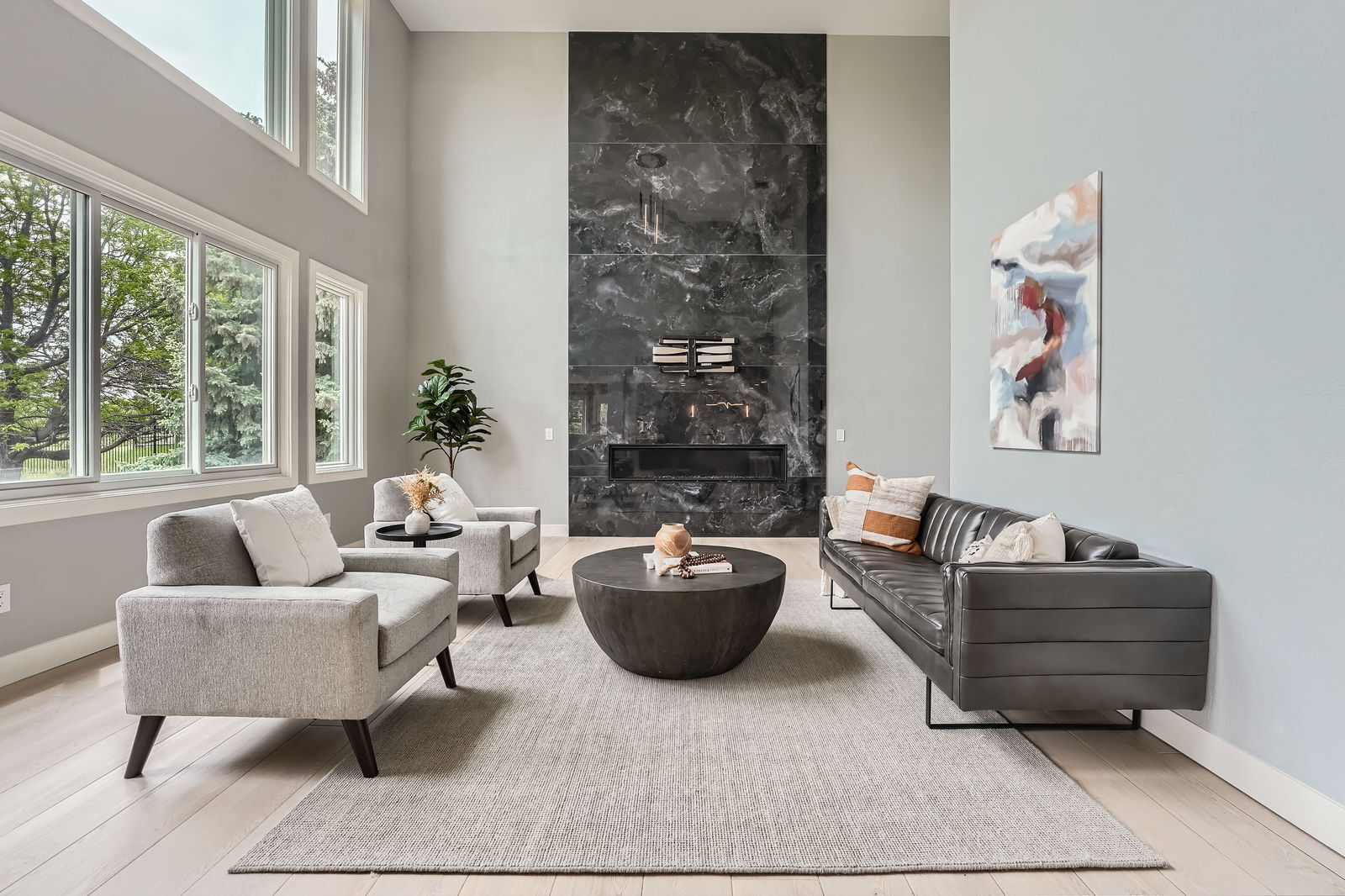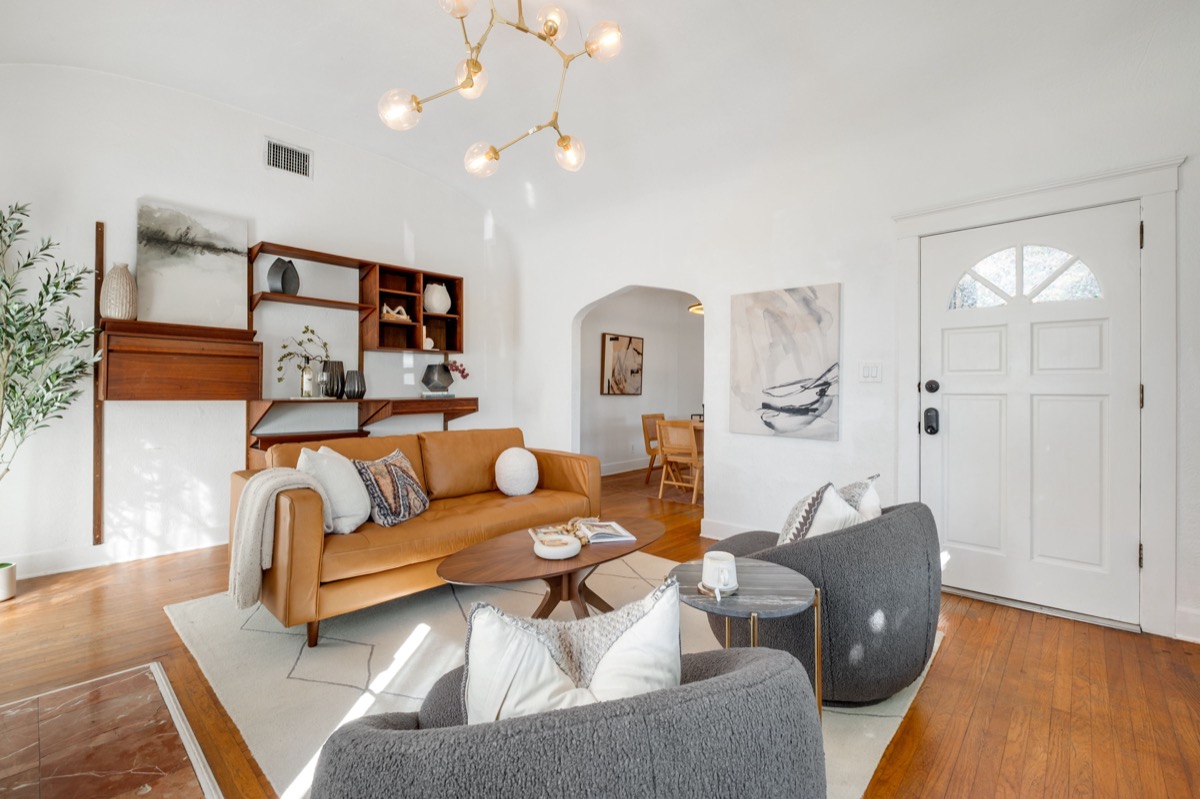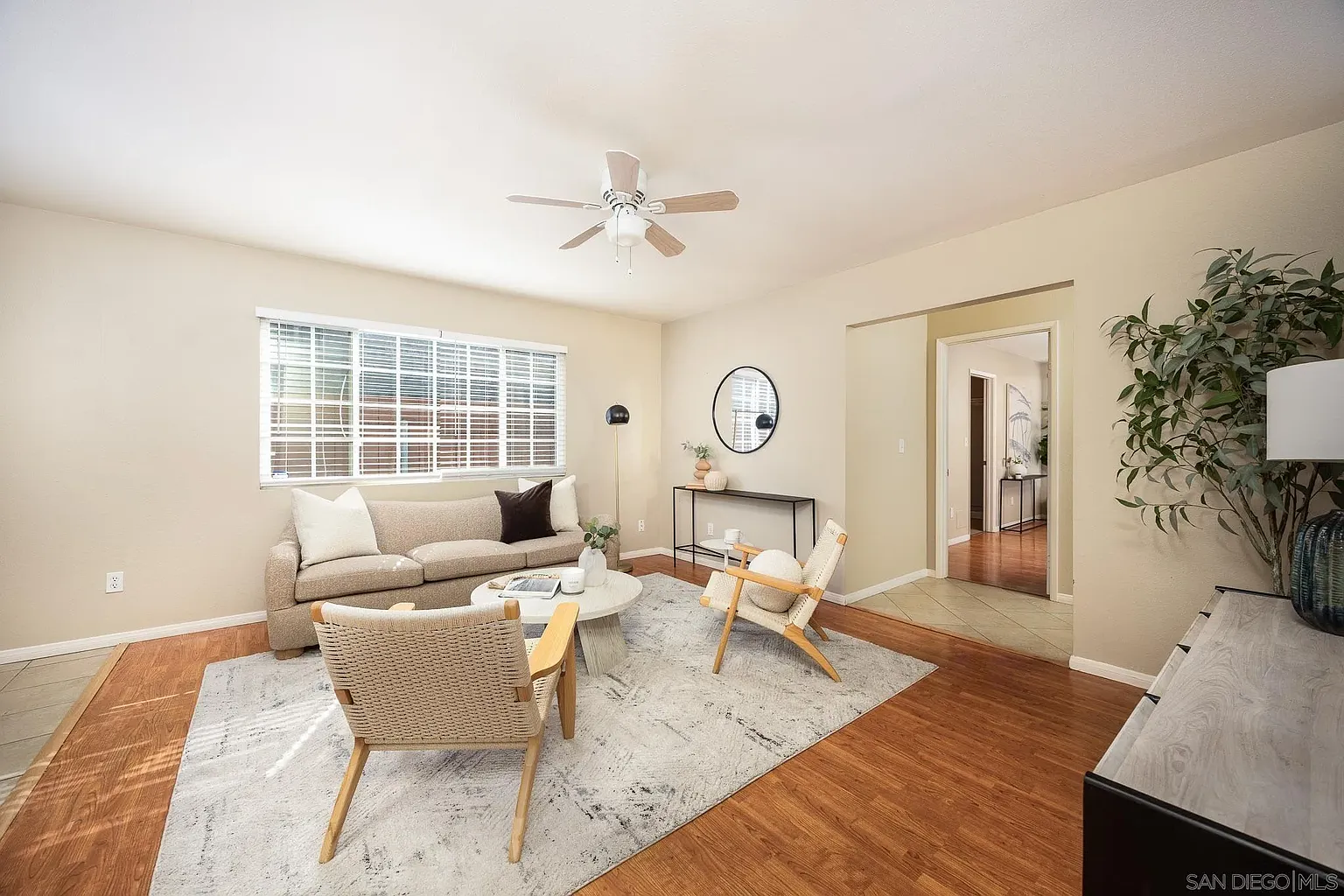

If you've ever walked into a vacant home and felt a strange sense of emptiness — not just physical, but emotional — you're not alone. Buyers experience this at an even deeper level. When a listing sits empty, it becomes almost impossible for them to picture their morning coffee on the counter, their kids doing homework at the kitchen table, or a quiet evening in front of the fireplace. That disconnect between a house and a home is precisely why staged properties consistently outperform vacant ones on every metric that matters.
The psychology behind staging: why empty rooms feel wrong
Human beings are wired to evaluate spaces relative to how they might use them. Cognitive psychologists call this spatial cognition — the mental process of understanding and interacting with physical environments. When a room is empty, buyers lack the visual anchors they need to assess scale, function, and flow. A 14-by-16-foot living room sounds generous on a floor plan, but without furniture, it can feel either cavernous or surprisingly small, depending on ceiling height and natural light.
Staging solves this by providing a cognitive framework. A well-placed sectional sofa tells the buyer: "This is where you'll gather with friends." A reading nook by the window says: "This is your quiet retreat." These cues aren't accidental — professional stagers use principles from environmental psychology to guide buyers through a narrative of daily life in the home.
"Staging doesn't just decorate a space — it tells the story of the life a buyer could live there. That emotional connection is what drives faster offers."
The data: how staging impacts days on market
Let's break down the numbers from multiple industry sources to understand the full picture:
- NAR 2024 data: Staged homes spent a median of 23 days on market compared to 83 days for unstaged properties in the same price range.
- Real Estate Staging Association (RESA): Homes staged before listing sold 79% faster than those staged after sitting on the market.
- Coldwell Banker study: Staged homes sold for an average of 17% more than unstaged homes — and up to 25% more in luxury markets.
- Denver Metro Association of Realtors: In the Denver metro area, staged listings in 2024 averaged 18 days on market versus 41 days for comparable unstaged listings.
Why speed matters more than you think
Every day a home sits on the market costs the seller money — and not just in mortgage payments. There's a compounding psychological effect that works against stale listings:
- Days 1–7: Peak buyer interest. The listing is new, exciting, and generates the most showing requests.
- Days 8–21: Interest begins to taper. Agents who previewed the listing start recommending other options to their clients.
- Days 22–45: The "what's wrong with it?" phase begins. Buyers assume there's an undisclosed issue or the home is overpriced.
- Days 45+: Price reductions become necessary, often erasing any savings the seller hoped to gain by skipping staging.
In the Los Angeles market, where inventory can fluctuate dramatically by season, this timeline is even more compressed. A listing that misses its window in spring may sit through the slower summer months, ultimately selling for 5–10% below the original asking price.
Full-service staging vs. DIY: what the data says
Not all staging is created equal. While DIY styling can make a modest improvement, professional staging delivers dramatically better results. Here's why:
Scale and proportion
Professional stagers understand how to select furniture that fits the scale of each room. Oversized pieces make rooms feel cramped; undersized pieces make them feel empty. This is a nuance that's difficult to achieve with existing furniture that may not suit the home's architecture.
Demographic targeting
Photography optimization
Staged homes photograph dramatically better, and in today's market, photos are the first showing. Over 97% of buyers begin their search online. If listing photos don't stop the scroll, the home never gets a physical showing. Professional staging creates the visual contrast, depth, and warmth that make photos compelling.
Our full-service staging program at Guest House handles every aspect of this process — from design concept to furniture delivery and installation. For agents who want design guidance without full staging, our in-person styling consultations provide a personalized plan using the homeowner's existing furnishings.
"97% of buyers start their search online. If your listing photos don't stop the scroll, no one walks through the front door."
Real results: staging in action
The theory is compelling, but real-world case studies bring it to life. Here are three examples from our recent projects:
836 Carlsbad Avenue — Carlsbad, CA
This three-bedroom coastal property had been sitting vacant for 22 days with minimal showing activity. After full staging, it received four offers within the first weekend back on market and sold for $47,000 over asking. Read the full case study →
3640 Lipan Street — Denver, CO
A beautifully renovated Denver bungalow that needed staging to match its high-end finishes. Staged and relisted, it sold in 6 days. See how we staged it →
500 Manhattan Drive — Boulder, CO
A luxury property in Boulder's sought-after Newlands neighborhood. Staging helped buyers connect with the home's mountain-modern aesthetic, and it went under contract in just 9 days. View the transformation →
When to stage: timing is everything
The biggest mistake sellers make is treating staging as a last resort — something to try after the listing has already gone stale. The data overwhelmingly supports staging before the home hits the market.
Here's the ideal timeline:
- 4–6 weeks before listing: Schedule a staging consultation. This gives you time to address any recommendations around paint, repairs, or decluttering.
- 2–3 weeks before listing: Complete prep work — painting, deep cleaning, minor repairs, and landscaping.
- 5–7 days before listing: Professional staging installation. This allows time for photography, video tours, and marketing materials.
- Launch day: Listing goes live with stunning photos of a fully staged home.
Not sure where to start? Our expert design advice service provides a detailed room-by-room plan that you can implement on your own timeline. Or get a fast, free estimate with a Smart Quote — just enter the property address and we'll provide a staging recommendation within hours.
The ROI of staging: dollars and sense
Let's address the elephant in the room: staging costs money. But when you look at the return on investment, it's one of the most efficient pre-listing expenses a seller can make.
For a $600,000 home in Denver, professional staging might cost $3,000–$6,000. If staging helps the home sell for even 5% more — that's a $30,000 return on a $5,000 investment. Factor in the reduced carrying costs from a faster sale (mortgage, utilities, insurance, HOA), and the ROI climbs even higher.
In luxury markets like La Jolla, Manhattan Beach, and Paradise Valley, where homes can carry $5,000+ in monthly expenses, every week shaved off the timeline saves the seller thousands.
What if the home is occupied?
Staging isn't just for vacant homes. In fact, many of our most successful projects involve occupied homes where we work with the homeowner's existing furniture, supplementing with rental pieces and accessories to create a cohesive, buyer-friendly look.
Our in-person styling service is designed specifically for this scenario. A professional designer visits the home, creates a room-by-room plan, and guides the homeowner through the transformation — often using 70–80% of what they already own.
The bottom line
The question isn't whether staging works — the data has settled that debate decisively. The question is whether you can afford not to stage. In a market where buyers make judgments within seconds of seeing listing photos, where every day on market erodes perceived value, and where a small investment can yield a 10x return, staging isn't a luxury. It's a strategic necessity.