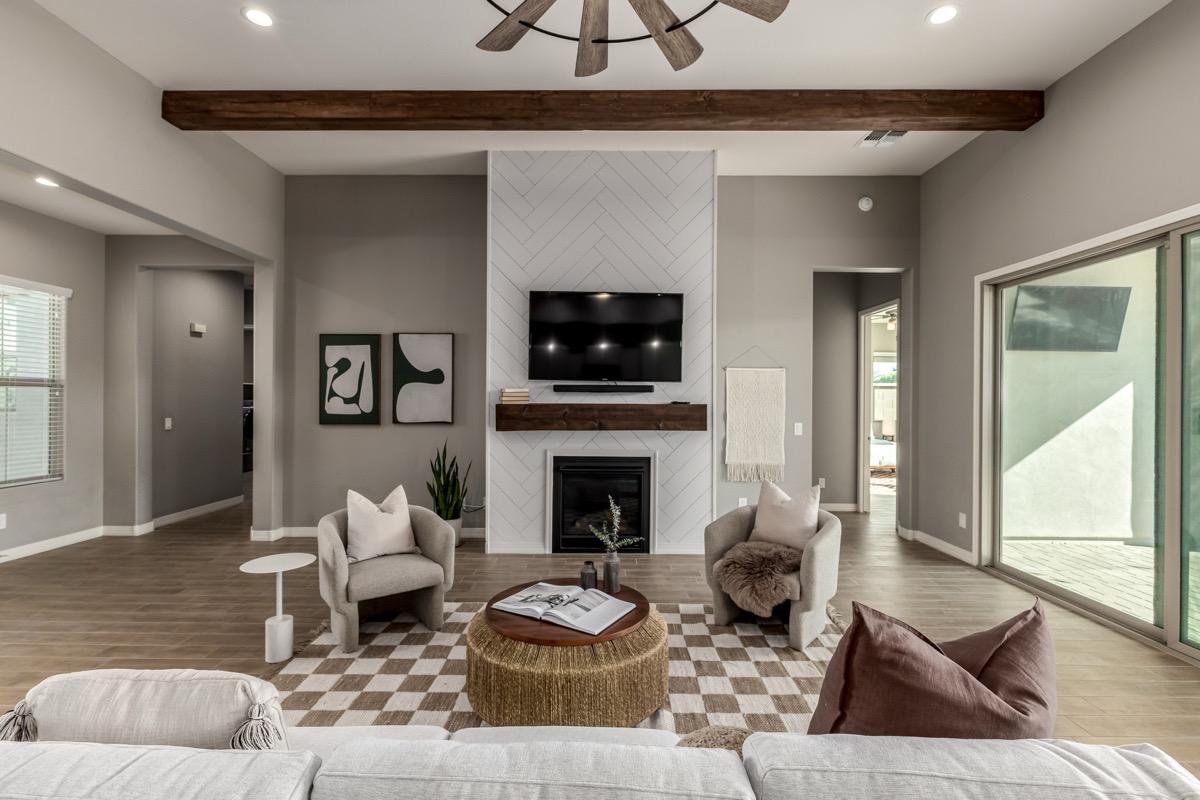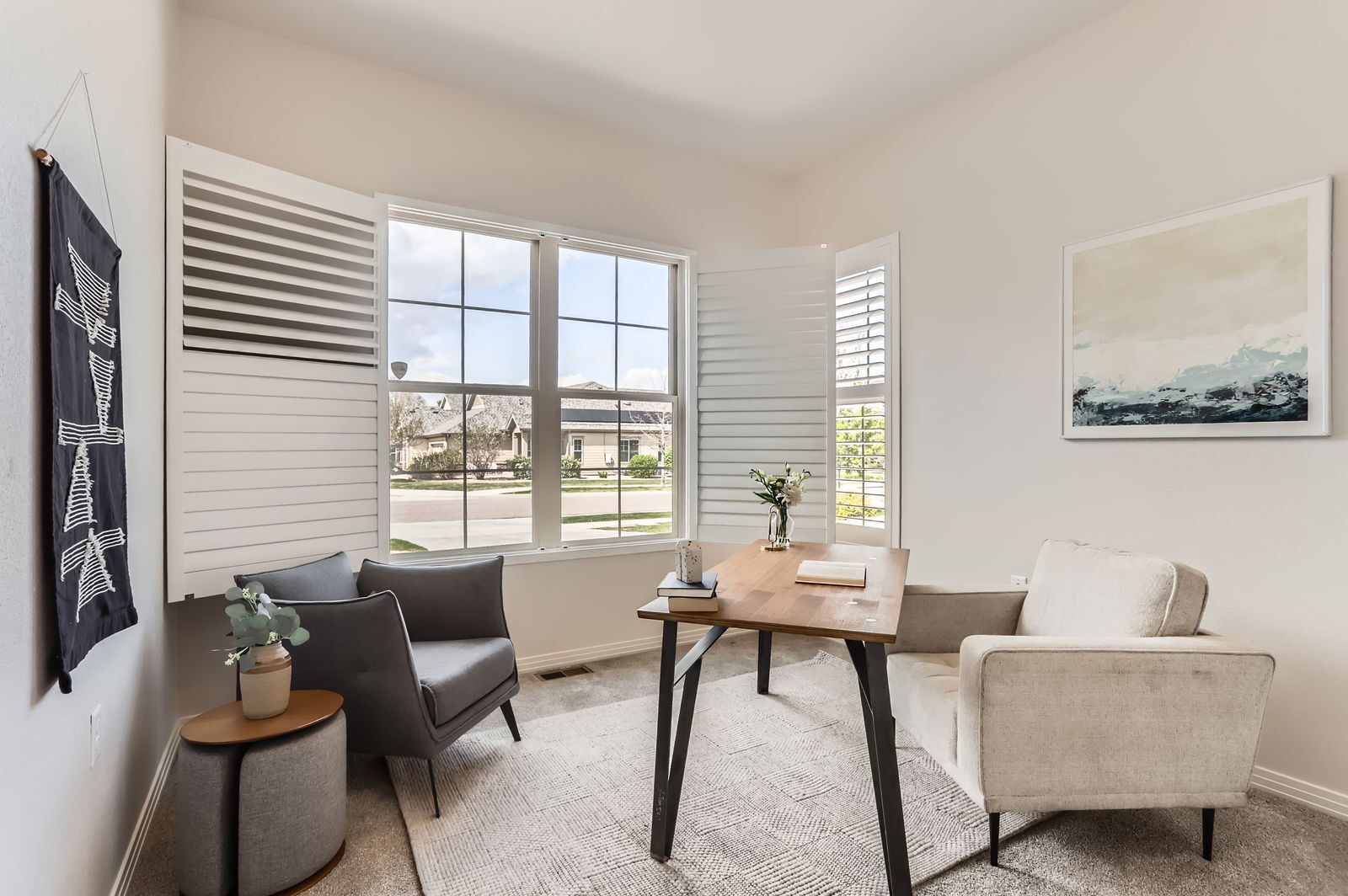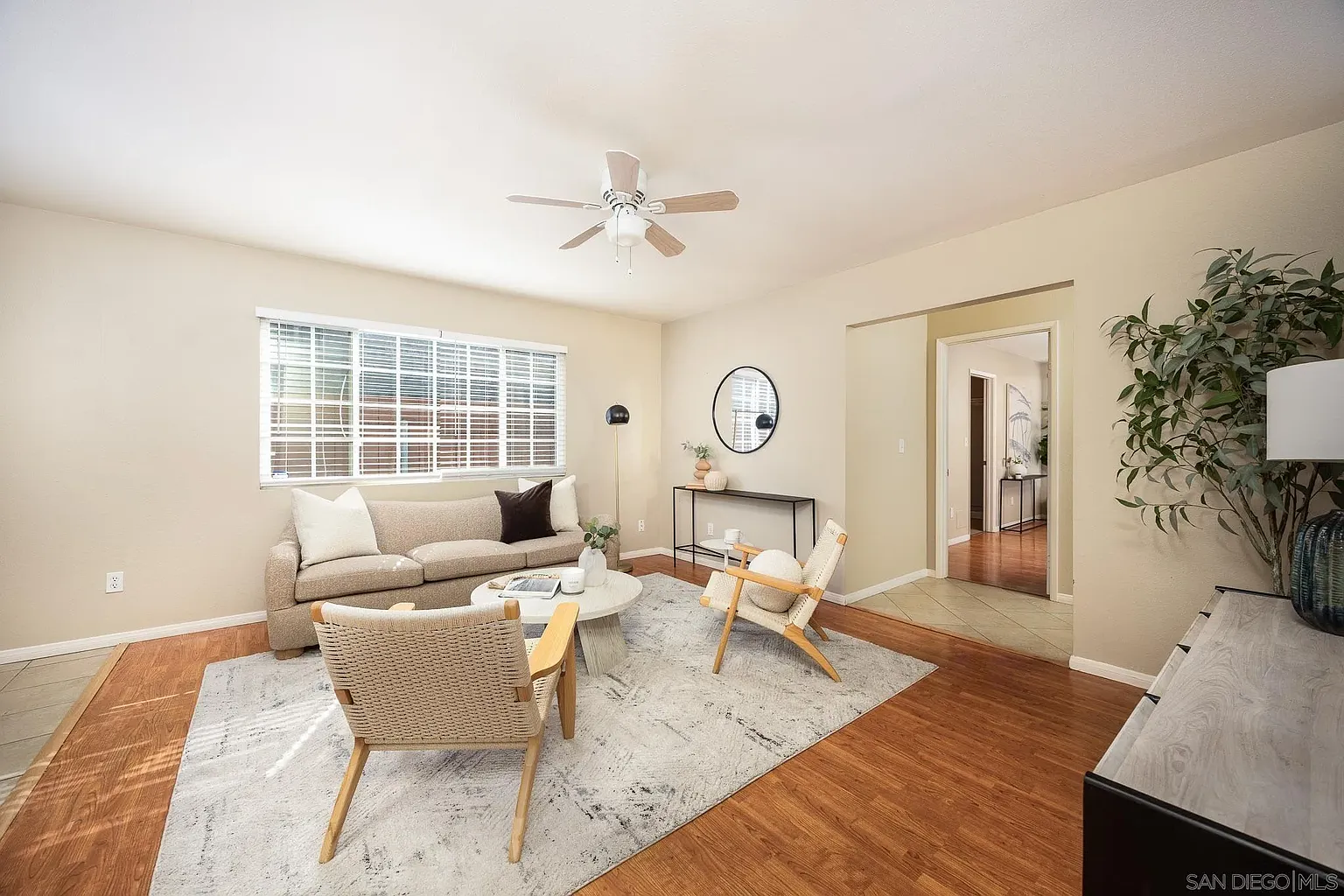

The rise of AI-powered virtual staging
The technology is genuinely impressive. Machine-learning models trained on millions of interior-design photos can now drop realistic-looking sofas, rugs, and artwork into vacant rooms with convincing shadows and perspective. But impressive tech does not automatically mean it is ready for the most consequential photo gallery a home will ever have: the MLS listing.
The question is not whether AI can generate beautiful images. The question is whether those images accurately represent the property a buyer is about to tour.
How AI virtual staging works today
Most AI staging platforms follow a similar workflow. An agent or photographer uploads a photo of an empty or sparsely furnished room. The software uses a generative model to insert furnishings, decor, and sometimes even wall colors or flooring materials. The output is a composite image that looks, at first glance, like a photograph of a furnished space.
Some tools let you pick a style such as mid-century modern, coastal, or contemporary. Others attempt to match the architecture of the room automatically. Processing times range from seconds to a few minutes, and pricing is often a fraction of what full-service staging costs.
What AI staging does well
- Speed: Results are nearly instant, which is helpful for tight listing timelines.
- Low cost: Per-image pricing can be under fifty dollars, making it accessible for lower-price-point listings.
- Variety: You can generate multiple style options from the same base photo to test market appeal.
- Remote capability: No one needs to visit the property to create the images.
Where AI staging falls short
- Scale and proportion errors: Furniture may appear too large or too small for the room, misleading buyers about actual square footage.
- Inconsistency between rooms: Each image is generated independently, so the style across a listing can feel disjointed.
- No physical experience: Buyers walking into an empty home after seeing furnished AI images often feel deceived, which can erode trust and stall negotiations.
- Artifact issues: Reflections, shadows, and edge detection are still imperfect, and trained eyes can spot the fakes quickly.
MLS compliance: the rules agents must follow
Multiple Listing Services across the country have been tightening rules around digitally altered photos. Many now require that virtually staged images carry a clear disclosure, typically a watermark or text overlay stating the image has been digitally enhanced. Some MLS boards go further, prohibiting AI-generated images that alter structural elements like walls, windows, or flooring.
Buyer psychology and the empty-room gap
There is a well-documented psychological phenomenon in real estate known as the "empty-room gap." When a buyer sees furnished listing photos online and then walks into a vacant property, the emotional disconnect can be jarring. The rooms feel smaller. The finishes look harsher under natural light. The warmth and aspiration that drew the buyer to the listing evaporate.
With traditional full-service staging, the physical furniture is present during showings. Buyers walk into exactly what they saw online, and that consistency builds trust and emotional attachment. AI staging, by definition, cannot deliver this in-person experience.
What the data says
According to the National Association of Realtors, staged homes sell an average of 73% faster than vacant homes. That statistic is based on physical staging. There is no comparable peer-reviewed data yet showing that AI-only staging produces the same result, because the in-person showing experience remains unchanged. The home is still empty.
AI staging can win the click. Physical staging wins the offer.
When AI staging might make sense
Despite its limitations, there are scenarios where AI staging can play a supporting role in a listing strategy:
- Pre-listing marketing: Before professional staging arrives, AI images can give sellers a preview of how rooms will look furnished, helping them commit to the investment.
- Secondary rooms: A bonus room or basement that is not being physically staged could benefit from a clearly labeled AI rendering to help buyers envision its use.
- Rural or low-budget listings: Properties where full-service staging is not available or the price point does not justify the expense may find AI images a useful supplement.
- Social media teasers: AI images can work as "coming soon" content on Instagram or Facebook, where MLS rules do not apply.
For agents interested in understanding what a design expert recommends before choosing any staging approach, Guest House's Expert Design Advice service can help evaluate the right fit for each listing.
Real staging vs. AI staging: a side-by-side comparison
To help agents make informed decisions, here is a direct comparison across the factors that matter most.
- Listing photos: Both AI and real staging produce attractive images. Real staging edges ahead on authenticity and consistency across rooms.
- In-person showings: Real staging wins decisively. The home is furnished, warm, and matches what buyers saw online.
- MLS compliance: Real staging requires no special disclosures. AI staging requires watermarks or labels in most MLS systems.
- Buyer trust: Real staging builds trust. AI staging, when disclosed, can create hesitation. When undisclosed and discovered, it actively damages trust.
- Time on market: Physical staging is proven to reduce days on market. AI staging has limited data on this metric.
- Cost: AI staging costs significantly less per image. However, when measured against the ROI of staging, the cost of real staging is typically recovered and then some at closing.
For a detailed look at how staging impacts sale price and days on market, see our case studies from 836 Carlsbad and 3640 Lipan.
The hybrid approach
The most effective strategy we see agents using across Denver, San Diego, and LA is a hybrid one. They invest in physical staging for the key rooms, such as living room, primary bedroom, and kitchen, and then use AI-rendered images for secondary spaces or for pre-listing social content. This balances cost with buyer experience.
If you are considering staging options for an upcoming listing, get a free quote from Guest House to compare the cost and impact of professional staging for your specific property.
The bottom line
AI staging technology is advancing rapidly, and it will only get better. But "better images" is not the same as "better outcomes." Real estate transactions are built on trust, and the gap between a digitally furnished photo and a vacant showing remains a significant liability. For agents in competitive markets, physical staging continues to be the gold standard because it delivers the complete experience: stunning photos, confident showings, and faster closings.
Want to see physical staging in action? Explore our 500 Manhattan case study for a real-world example of how staging transformed a Boulder listing.